
 EN
EN
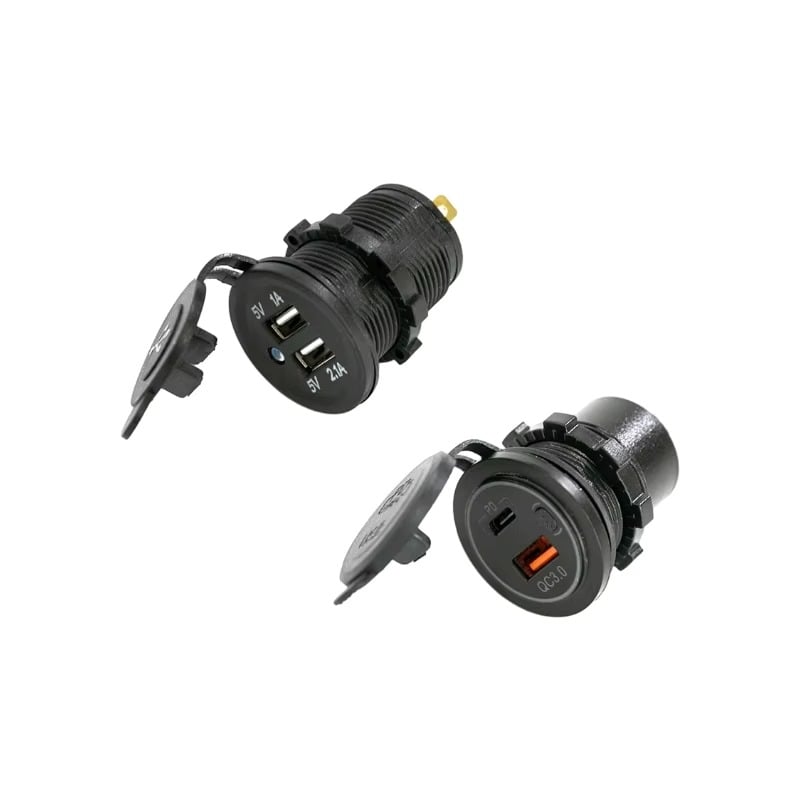
Golf cart parts represent a complex ecosystem of mechanical and electrical components that must function in precise coordination to deliver reliable performance on the course and beyond. Understanding how these golf cart parts interact with one another is essential for both operators and maintenance professionals who need to diagnose problems, extend equipment life, and ensure consistent operation. Every golf cart parts system, regardless of manufacturer or model, relies on the seamless integration of multiple subsystems working in harmony.
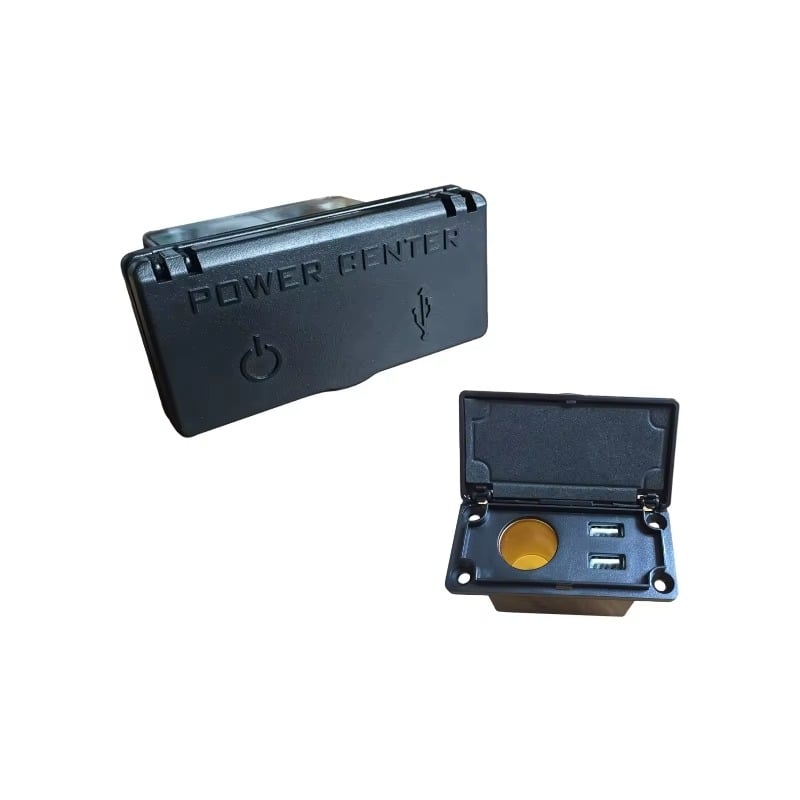
The relationship between golf cart parts is not one of isolated components performing independent functions. Rather, golf cart parts are engineered to operate as an interconnected network where each element directly influences the performance and longevity of others. The golf cart parts you find under the hood, in the chassis, and throughout the electrical system each play a vital role in the overall vehicle behavior, efficiency, and safety profile of the machine.
Powertrain and Drive System Components
Motor and Battery Integration in Golf Cart Parts
The motor and battery system represents the foundational golf cart parts that determine how much power is available and how efficiently that power is delivered. In electric golf carts, the battery bank stores electrical energy, while the electric motor converts that energy into mechanical motion. These golf cart parts must be sized and matched correctly; an undersized motor will underperform, while a motor mismatched to battery capacity will drain batteries prematurely or fail under load. The motor controller, another critical set of golf cart parts, manages the flow of electricity from the battery to the motor, regulating speed and torque output based on driver input.
The interconnection between these golf cart parts means that battery voltage, motor winding resistance, and controller programming must all align perfectly. When any of these golf cart parts degrade or are replaced incorrectly, the entire drive experience suffers. For example, if battery terminals corrode, the electrical connection weakens, and golf cart parts downstream experience voltage drop, causing sluggish acceleration and reduced range. Similarly, worn golf cart parts in the motor bearing assembly can increase friction, forcing the controller to draw more current to maintain speed.
Transmission and Drive Shaft Mechanics
Transmission golf cart parts, whether found in gas or electric models, transfer motor output to the wheels through a series of gears and shafts. The drive shaft assembly, one of the most vital golf cart parts, must handle torque spikes and maintain alignment to prevent vibration and noise. Differential golf cart parts allow the rear wheels to rotate at different speeds during turns, preventing tire scrub and reducing mechanical stress. When any of these golf cart parts wear out, the efficiency chain breaks; a worn differential can cause traction loss, while a damaged drive shaft creates vibration that stresses other golf cart parts like suspension components and fasteners.
The relationship between transmission golf cart parts and the motor controller is especially important. The controller must modulate power delivery to work harmoniously with the transmission's gear ratios. If transmission golf cart parts are loose or misaligned, the controller may sense inconsistent torque delivery and make erratic adjustments, creating jerky acceleration. This illustrates how golf cart parts that seem independent are actually deeply interdependent systems.
Steering, Suspension, and Structural Systems
Steering Assembly and Alignment
Steering golf cart parts, including the steering column, tie rods, and knuckles, must work together to translate driver input into precise wheel direction changes. The steering geometry of golf cart parts is engineered so that the front wheels toe-in at a specific angle, and castor and camber angles are set to optimize handling and tire wear. When golf cart parts in the steering system become loose or misaligned, the cart pulls to one side, forcing the driver to overcorrect, which accelerates wear on other golf cart parts like tires and suspension bushings.
The interconnection between steering golf cart parts and suspension golf cart parts is critical to overall stability. A misaligned steering angle not only makes the cart difficult to control but also places uneven loads on suspension golf cart parts, causing premature failure. Ball joints and tie rod ends, both essential golf cart parts, wear faster when the steering geometry is out of spec, creating a cascading failure pattern that affects multiple systems.
Suspension and Shock Absorption
Suspension golf cart parts, including springs, shocks, and control arms, absorb impacts and maintain tire contact with the ground. These golf cart parts must be matched in stiffness and damping characteristics to provide a smooth ride while maintaining load capacity. When suspension golf cart parts degrade, the cart bounces excessively, placing stress on the chassis and drivetrain. A worn shock absorber is a classic example of how golf cart parts degradation cascades; the chassis flexes more, increasing stress on drive shaft support bearings, which then wear faster than designed.
The suspension golf cart parts also affect braking performance. A cart with worn suspension golf cart parts has inconsistent tire contact during braking, leading to longer stopping distances and uneven brake pad wear. This demonstrates that golf cart parts across seemingly different systems are actually interconnected in their performance impact.
Braking, Cooling, and Control Systems
Brake System and Electrical Control
Brake golf cart parts include the master cylinder, brake lines, calipers, and brake pads, all working together to convert kinetic energy into heat and stop the vehicle safely. In modern golf carts, brake golf cart parts are increasingly integrated with electronic control systems. The brake switch, a crucial set of golf cart parts, signals the motor controller to cut power when braking is engaged, ensuring smooth deceleration and preventing collision between mechanical and electrical braking forces. When brake switch golf cart parts fail, the motor does not cut power during braking, creating a dangerous situation where mechanical friction opposes motor torque.
The relationship between brake golf cart parts and the electrical system is essential for safety. A weakened battery cannot power the brake light circuit if brake switch golf cart parts fail, leaving the cart unnoticed in traffic. Similarly, corroded brake line fittings, small but vital golf cart parts, can develop leaks that compromise hydraulic pressure, affecting all brake-related golf cart parts downstream. Testing and maintaining brake switch golf cart parts and related brake system golf cart parts is therefore non-negotiable for fleet operators.
Cooling and Electrical Management
Cooling golf cart parts, such as radiators and fans in gas models, or thermal management golf cart parts in electric models, prevent overheating that can damage the motor and reduce battery life. The cooling fan, an often-overlooked set of golf cart parts, must engage at the right temperature to avoid wasting energy while preventing thermal runaway. In electric golf carts, battery management golf cart parts monitor cell temperature and voltage, protecting the battery investment. When any of these cooling golf cart parts malfunction, thermal stress accelerates the degradation of other golf cart parts, shortening overall vehicle lifespan.
The electrical wiring and connector golf cart parts that support the cooling system must also be robust and corrosion-resistant. Corroded terminals in cooling circuit golf cart parts can interrupt sensor signals, causing the system to operate inefficiently or shut down unexpectedly. This again demonstrates how golf cart parts must be viewed as an integrated whole rather than independent components.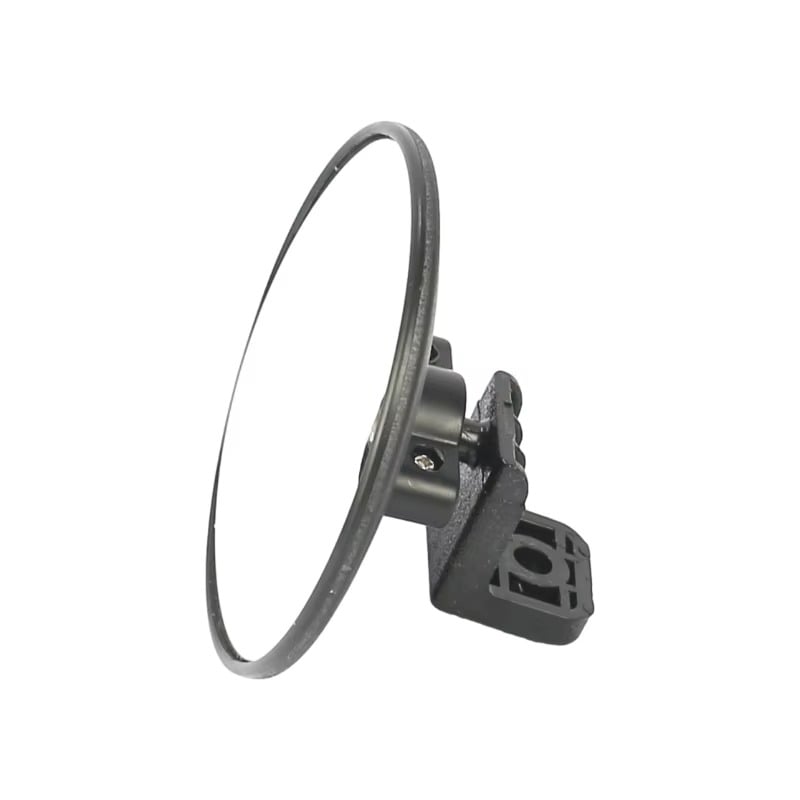
FAQ
What are the most commonly replaced golf cart parts?
The most frequently replaced golf cart parts include batteries in electric models, worn brake pads, deteriorated tires, corroded battery terminals, and failed motor brushes. These golf cart parts wear out due to environmental exposure, regular use, and the stress placed on them by other systems. Preventive maintenance of these golf cart parts can extend vehicle life significantly and reduce unexpected downtime.
How do golf cart parts affect overall performance and efficiency?
Each golf cart parts component influences energy efficiency, speed, handling, and safety. Worn golf cart parts increase friction and resistance, forcing the motor to work harder and draining batteries faster. Well-maintained golf cart parts work in harmony, reducing energy waste and extending battery range. For example, properly aligned golf cart parts in the suspension and steering systems reduce rolling resistance, directly improving fuel or battery efficiency.
How often should critical golf cart parts be inspected and maintained?
Critical golf cart parts should be inspected seasonally or after every 500 hours of operation, whichever comes first. Brake system golf cart parts require monthly visual checks, while battery and motor golf cart parts need quarterly testing. Fleet operators managing multiple carts should implement a preventive maintenance schedule that covers all major golf cart parts, as proactive inspection of golf cart parts is far more cost-effective than emergency repairs.