
 EN
EN
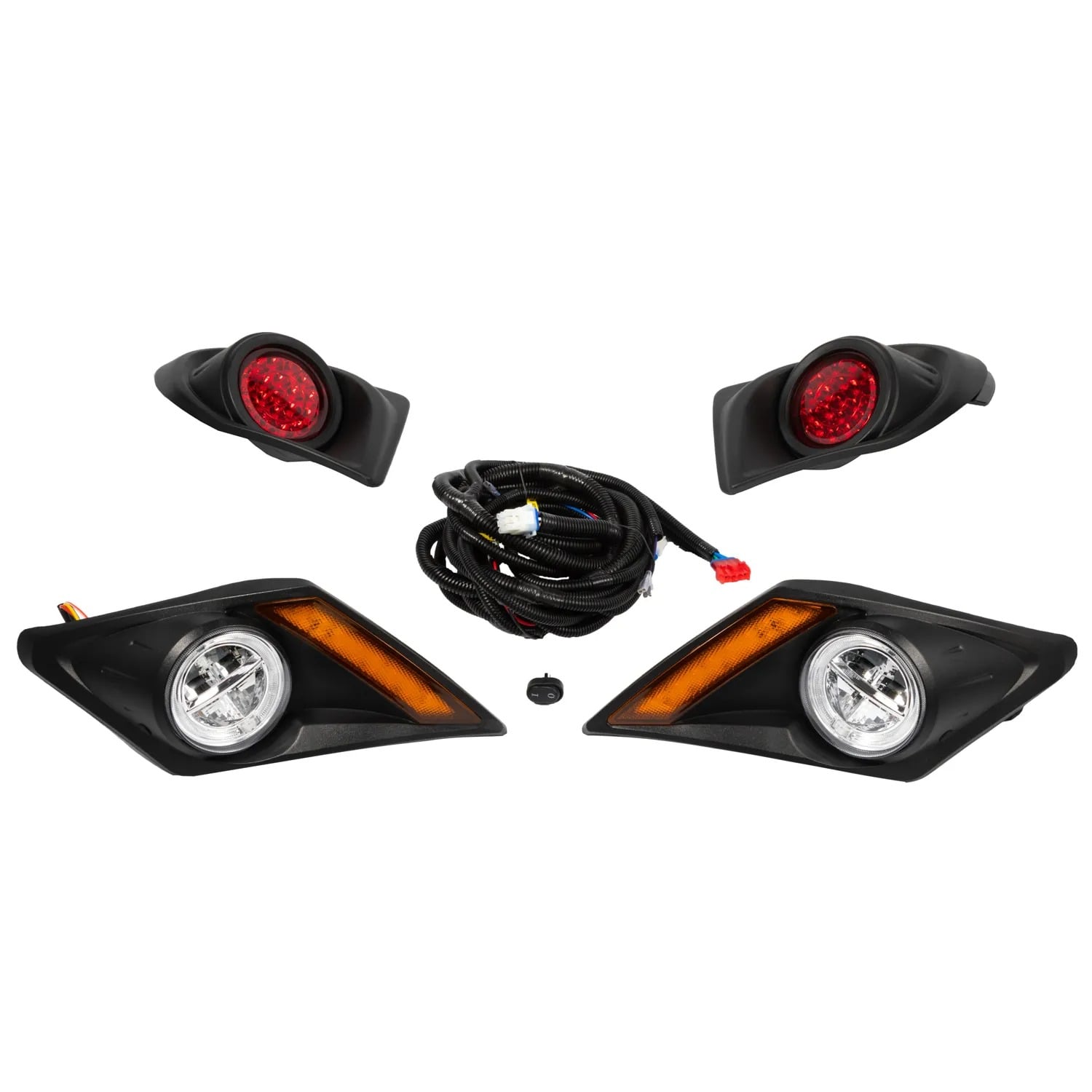
Selecting the right light kit for your vehicle requires careful consideration of multiple factors that directly impact functionality, safety, and long-term value. Whether you operate a golf cart, utility vehicle, or specialty equipment, the choice of a light kit affects visibility, operational hours, maintenance costs, and compliance with local regulations. Many operators make the mistake of prioritizing cost alone, overlooking critical specifications that determine whether a light kit will truly meet their operational needs and environmental demands.
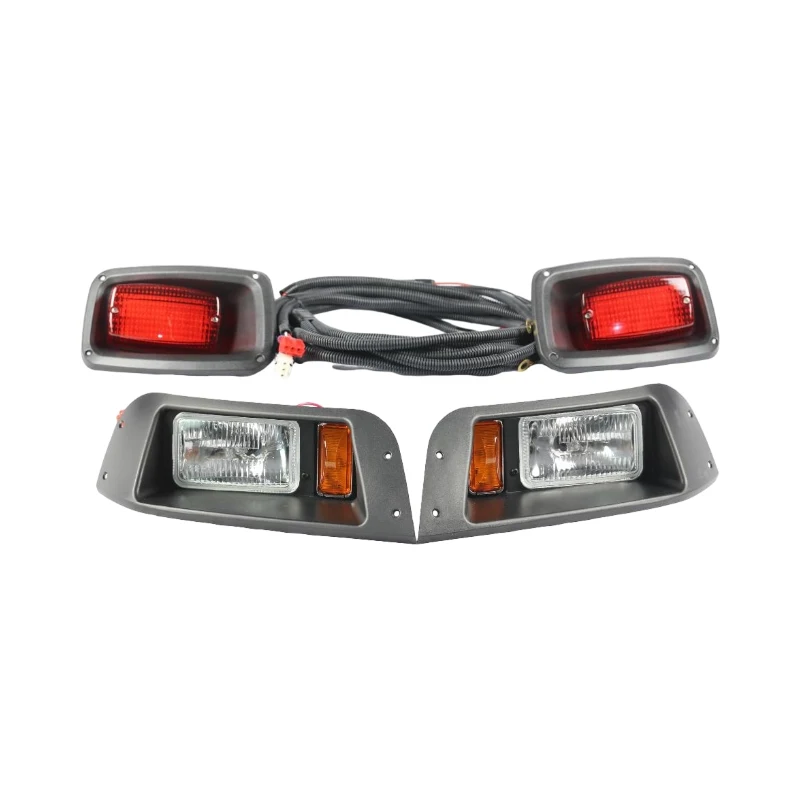
A light kit represents an investment in safety and operational capability, making informed selection essential. The right light kit enhances visibility during dawn, dusk, and night operations while improving vehicle recognition and operator confidence. Understanding the key factors involved in evaluating a light kit ensures you make a decision aligned with your specific use case, budget, and performance expectations.
Brightness and Light Output Specifications
Lumens and Wattage Considerations
Brightness output is fundamental when evaluating any light kit. Measured in lumens, brightness determines how effectively the light kit illuminates the area ahead and makes your vehicle visible to others. A quality light kit typically ranges from 500 to 2000 lumens depending on the application and bulb type. Halogen light kits generally deliver consistent brightness but consume more power, while LED-based light kits provide superior efficiency and directional control. When choosing a light kit, match the lumens output to your operating environment—golf courses and low-speed areas may require 500–1000 lumens, while highway or high-speed applications demand 1500–2000 lumens or more.
Color Temperature and Visibility
The color temperature of a light kit affects both visibility and operator comfort during extended use. Light kits typically range from warm white (2700–3000K) to cool white (5000–6500K) color temperatures. Warmer tones from a light kit penetrate fog and dust better, making them suitable for agricultural or dusty environments. Cooler tones from a light kit provide sharper contrast and reduced eye strain during night operations, benefiting those using the light kit for several hours daily. Selecting a light kit with the appropriate color temperature improves visibility while reducing operator fatigue and enhancing overall safety performance.
Compatibility and Installation Requirements
Vehicle-Specific Mounting and Wiring
Before committing to a light kit, verify that the light kit is engineered for your specific vehicle model and year. A properly designed light kit includes mounting brackets, wiring harnesses, and connectors matched to your vehicle's electrical architecture. Incompatible light kit installations may require custom wiring, creating safety hazards and voiding warranties. The best light kits come with detailed installation guides and pre-configured components that simplify the mounting process. When evaluating a light kit, confirm the vehicle compatibility first—this factor alone determines whether the light kit can be installed safely and whether it will function as designed.
Electrical System Capacity
Your vehicle's electrical system must adequately support the light kit's power demands. A typical light kit draws 50–150 watts depending on bulb type and quantity, requiring your battery and alternator to handle the additional load. An undersized electrical system may struggle with a high-power light kit, causing dimming, flickering, or premature battery drain. When choosing a light kit, review your vehicle's electrical specifications and compare them against the light kit's power requirements. Many modern vehicles accommodate light kits effortlessly, but older or smaller vehicles may require electrical upgrades before installing a demanding light kit.
Durability and Environmental Performance
Weather Resistance and Materials
A reliable light kit withstands exposure to rain, dust, humidity, and temperature extremes without degrading. The housing material of a light kit—typically polycarbonate or tempered glass—protects internal components from moisture and physical impact. UV-resistant coatings on a light kit prevent discoloration and brittleness over time. Sealed connectors and gaskets ensure a light kit remains functional in wet conditions common on golf courses, farms, or coastal environments. When selecting a light kit, prioritize models with sealed optical elements and corrosion-resistant metal components, ensuring your light kit maintains performance through multiple seasons of use.
Lifespan and Maintenance Needs
The expected lifespan of a light kit varies significantly based on technology and build quality. Halogen light kits typically last 500–1000 hours before bulb replacement, while a modern light kit using LED technology can operate 25,000–50,000 hours with minimal maintenance. Maintenance requirements for a light kit may include regular cleaning, periodic bulb replacement, or connector inspection. When choosing a light kit, consider the total cost of ownership including replacement parts and labor. A slightly more expensive light kit with longer lifespan and lower maintenance often delivers better value than a cheaper alternative requiring frequent bulb changes and repairs.
Cost and Long-Term Value Assessment
Initial Investment and Price Ranges
Light kit pricing reflects design complexity, materials, and included features. Budget light kits may start at $100–300, while premium light kits with advanced features range from $400–1500 or more. The price of a light kit depends on whether it includes mounting hardware, wiring harnesses, control switches, and installation support. A comprehensive light kit with all necessary components justifies higher initial cost by reducing additional purchases and installation labor. Evaluate not just the advertised price of a light kit, but what the package includes and whether upgrade options exist for future expansion.
Return on Investment and Safety Value
The true value of a light kit extends beyond purchase price, encompassing safety improvements, operational hours, and accident prevention. A reliable light kit reduces nighttime visibility-related incidents, potentially lowering insurance claims or liability costs. Extended operating hours enabled by a light kit increase productivity, allowing vehicles to operate safely during early morning and evening periods. When budgeting for a light kit, factor in the safety ROI and operational productivity gains rather than focusing solely on initial acquisition cost. This perspective helps justify investment in a quality light kit that performs consistently and reduces long-term operational expenses.
Regulatory and Safety Compliance
Local Regulations and Approval Standards
Some jurisdictions require vehicles to meet specific lighting standards, particularly if operated on public roads or near roadways. A compliant light kit meets brightness minimums, color specifications, and beam pattern requirements mandated by local authorities or industry standards. Golf carts, utility vehicles, and specialty equipment increasingly face light kit regulations in populated areas. Before installing a light kit, verify that your chosen light kit meets applicable standards in your region. Non-compliant light kits may trigger regulatory fines or require removal, making compliance verification essential during the selection process for any light kit.
Operator Safety and Visibility Standards
Beyond regulatory requirements, a light kit should enhance operator visibility and reduce safety risks inherent in low-light operations. Proper beam distribution from a light kit eliminates harsh shadows and glare that impair depth perception. A well-engineered light kit provides uniform illumination across the operating path, preventing dark spots that could conceal obstacles. When evaluating different light kits, assess beam patterns and coverage areas to ensure the light kit genuinely improves the safety profile of your vehicle. Operator safety should weigh equally with regulatory compliance when selecting a light kit for critical applications.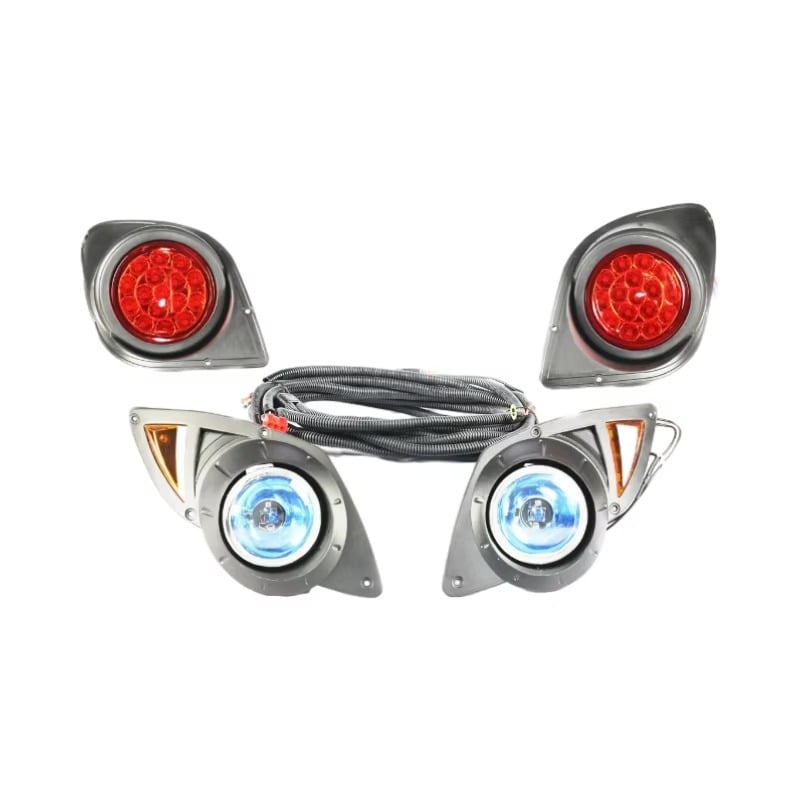
FAQ
What brightness level do I need in a light kit?
Brightness needs depend on your operating environment and speed. Slow-speed applications like golf carts typically require 500–1000 lumens from a light kit, while faster vehicles or highway use benefit from 1500–2000 lumens or higher. Assess the typical lighting conditions where you operate—darker or dustier environments demand more output from a light kit. Consult your vehicle manufacturer's recommendations or industry standards for your specific application to determine appropriate light kit specifications.
Can I install a light kit myself, or do I need professional help?
Installation complexity varies based on your vehicle and the light kit design. Pre-configured light kits with vehicle-specific mounting brackets and plug-and-play wiring simplify the process for those with basic mechanical skills. Complex light kit installations involving custom wiring or significant modifications justify professional installation to ensure safety and warranty compliance. Review the light kit documentation and honestly assess your electrical knowledge before attempting self-installation. When in doubt, professional installation of a light kit protects your vehicle and ensures the light kit operates safely.
How long does a light kit typically last?
Lifespan depends on the light kit technology and operating conditions. Halogen light kits last 500–1000 hours before requiring bulb replacement, typically one to three years with average use. LED-based light kits can operate 25,000–50,000 hours, potentially lasting 10–15 years or more. Proper maintenance and environmental protection extend the life of any light kit. When selecting a light kit, ask the manufacturer for expected lifespan data and warranty coverage to understand long-term value.