
 EN
EN
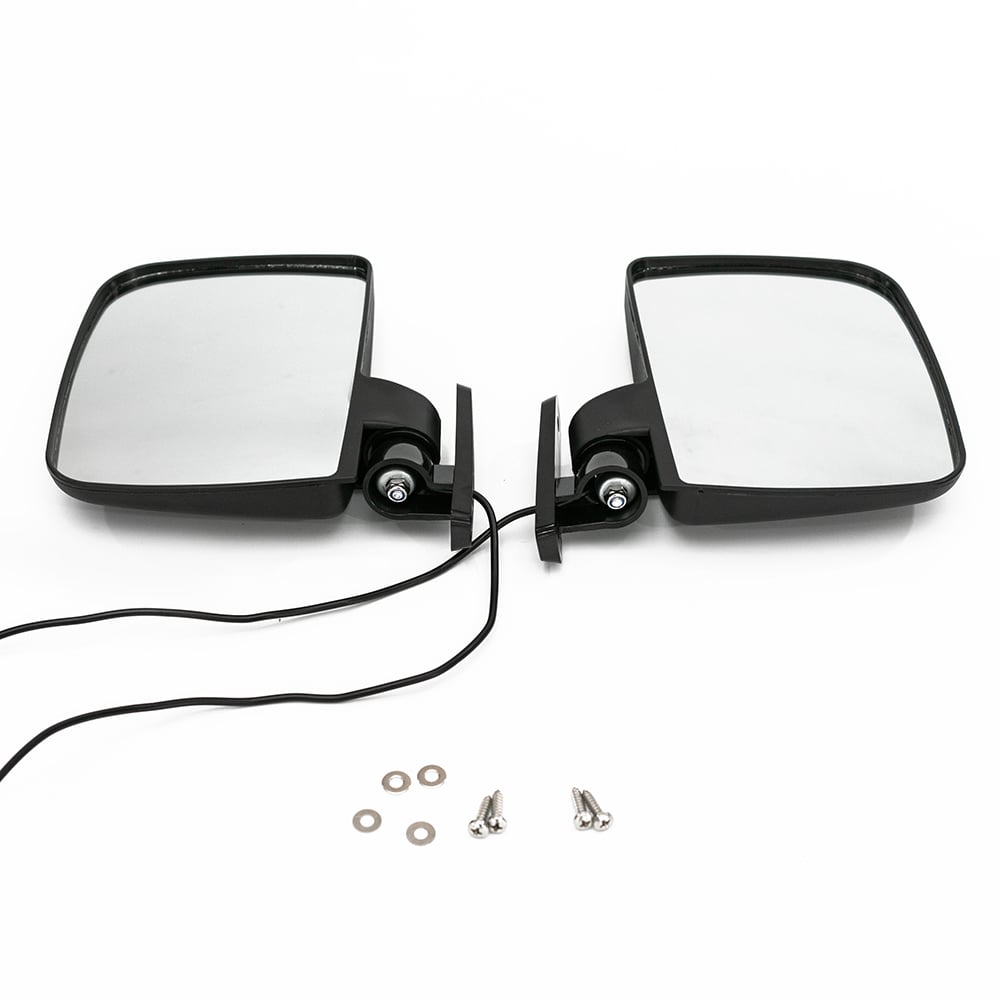
A properly installed golf cart mirror is one of the most practical safety upgrades any cart owner can make. Whether you operate your cart on a golf course, a resort pathway, or a residential community road, blind spots create real hazards. A standard flat mirror covers only a narrow field of view, leaving pedestrians, cyclists, and other carts hidden from the driver's sightline. Upgrading to a wide-angle golf cart mirror directly addresses this problem by expanding the reflected field of view significantly.
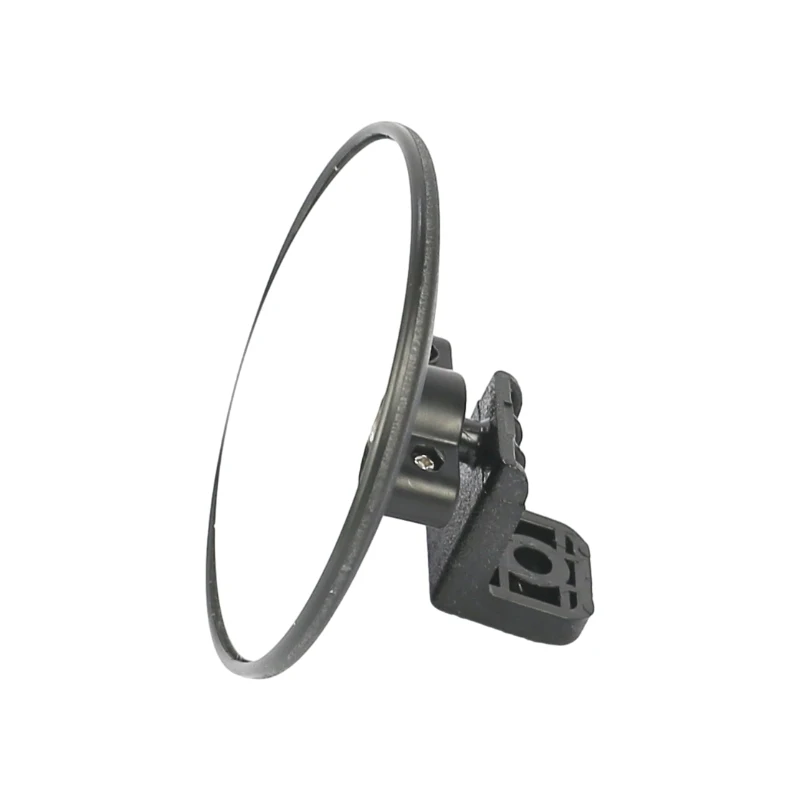
Many cart operators underestimate how limited a flat golf cart mirror really is. A convex or wide-angle golf cart mirror uses a curved surface to bend incoming light, allowing the driver to see a much broader area behind and beside the cart. This single design difference can reduce blind spots by a substantial margin, making the golf cart mirror one of the highest-value safety accessories available for any cart configuration. Understanding how this upgrade works helps operators make a confident, informed decision.
The Science Behind Wide-Angle Golf Cart Mirror Design
How Convex Curvature Expands the Field of View
A standard flat golf cart mirror reflects light at a fixed angle, meaning the driver only sees what is directly behind within a narrow cone. A wide-angle golf cart mirror, by contrast, uses a convex surface that curves outward toward the viewer. This curvature bends reflected light rays from a wider angular range, compressing a broader scene into the same mirror surface area. The result is that a single golf cart mirror can now capture side angles, nearby obstacles, and trailing pedestrians that a flat mirror would miss entirely.
The physics involved are straightforward: the greater the convex curvature, the wider the field of view captured by the golf cart mirror. Most wide-angle golf cart mirror designs use PMMA optical-grade acrylic or polished polypropylene shells to maintain image clarity across the full curved surface. A golf cart mirror made from PMMA material delivers sharp reflection with minimal distortion, which is critical when the driver needs to judge the distance and speed of approaching objects. Clarity and width of view work together to make the golf cart mirror genuinely useful rather than decorative.
Why Blind Spots Form on Standard Golf Cart Mirrors
Blind spots are not just a highway problem. A golf cart mirror positioned on a slow-moving vehicle still leaves gaps in visibility, especially when the cart is reversing, turning, or navigating narrow paths. The typical golf cart mirror mounts on the side column or roof edge of the cart, and its flat reflective surface creates a fixed, limited cone of visibility. Objects that fall outside that cone, whether a child running across a path or a slow-moving maintenance vehicle, become invisible to the driver until it is dangerously late to react.
Wide-angle golf cart mirror models are engineered specifically to address this gap. By replacing a flat golf cart mirror with a convex version, the driver gains awareness of areas that were previously in the blind zone. This is especially important for rear-mounted golf cart mirror units used during reversing, where the risk of collision or contact with a person is highest. Every degree of additional coverage provided by a wide-angle golf cart mirror translates directly into reduced reaction time requirements and safer outcomes.
Practical Blind Spot Reduction in Real Operating Environments
Golf Course and Pathway Scenarios
On a golf course, a golf cart mirror must handle bright sunlight, glare from water hazards, and frequent low-speed reversing near players and caddies. A wide-angle golf cart mirror with a high-quality PMMA lens handles these conditions well because the material is UV-resistant and maintains reflective clarity even under direct sunlight. Drivers reversing near greens or tight cart paths benefit immediately from the wider coverage a convex golf cart mirror provides. A single well-positioned golf cart mirror can replace the need to physically turn around and look back, reducing driver distraction significantly.
Community and resort environments introduce additional complexity. A golf cart mirror used in these settings must handle pedestrian traffic, intersections, parked vehicles, and varying light conditions. A circular convex golf cart mirror, mounted on the side or front corner of the cart, gives the driver a panoramic view of adjacent zones. This type of golf cart mirror is particularly effective at narrow gateway entrances and parking areas where standard mirrors fail to capture the full picture. Operators who install a high-quality golf cart mirror in these environments report noticeably fewer close-call incidents.
Reversing Safety and the Role of the Rear Golf Cart Mirror
Reversing is the single highest-risk maneuver for any golf cart, and the golf cart mirror is the primary tool a driver relies on during this action. A wide-angle golf cart mirror mounted at the rear or rear-side position of the cart dramatically extends what the driver can see when backing up. Because a convex golf cart mirror compresses a wide scene into a viewable area, the driver can monitor a much larger zone without shifting their body position or losing control of the steering. This makes the golf cart mirror an essential component for safe reversing in any environment.
Selecting and Installing the Right Wide-Angle Golf Cart Mirror
Key Features That Make a Golf Cart Mirror Effective
Not every golf cart mirror delivers the same blind spot reduction. The quality of the reflective surface material, the degree of curvature, the mounting bracket durability, and the resistance to weather and UV exposure all determine how effective a golf cart mirror will be in daily use. A golf cart mirror made from optical-grade PMMA with a polypropylene housing offers a strong balance of clarity, durability, and weather resistance. These materials keep the golf cart mirror performing well across temperature changes, rain, and direct sun exposure without fading or warping.
The mounting design of the golf cart mirror also matters. A bracket that allows angular adjustment lets the driver fine-tune the golf cart mirror position to maximize coverage for their specific cart layout and driving habits. A circular convex golf cart mirror with a 360-degree rotatable mount gives the greatest flexibility and ensures the golf cart mirror can be positioned optimally regardless of cart model. When selecting a golf cart mirror, buyers should prioritize adjustability, optical quality, and robust construction over cosmetic factors alone.
Installation Considerations for Maximum Coverage
Installing a golf cart mirror for maximum blind spot reduction requires attention to positioning. A golf cart mirror mounted too high or too low will shift the reflected zone away from the critical blind spot areas. The ideal position for a side-mounted golf cart mirror is at approximately the driver's eye level, angled slightly downward and outward to capture the rear quarter zone. A rear-mounted golf cart mirror should be centered and angled to reflect the full area behind the cart, not just the narrow center strip a flat golf cart mirror would show.
FAQ
What is the main advantage of a convex golf cart mirror over a flat one?
A convex golf cart mirror uses a curved surface to capture a much wider field of view than a flat golf cart mirror. This means the driver can see more of the area behind and beside the cart without repositioning the golf cart mirror or turning their head, which directly reduces dangerous blind spots.
Can one golf cart mirror cover all blind spots on a cart?
A single wide-angle golf cart mirror can significantly reduce blind spots, but full coverage typically requires at least one golf cart mirror on each side. The combination of a driver-side and passenger-side golf cart mirror, ideally both convex, gives the most complete rear and side visibility for the driver.
Is a golf cart mirror required by safety regulations?
Requirements vary by jurisdiction and operating environment. Many golf facilities, resorts, and community pathways recommend or mandate at least one golf cart mirror per vehicle. Even where a golf cart mirror is not legally required, installing one is a best-practice safety measure that reduces liability and improves awareness for the driver and those nearby.