
 EN
EN
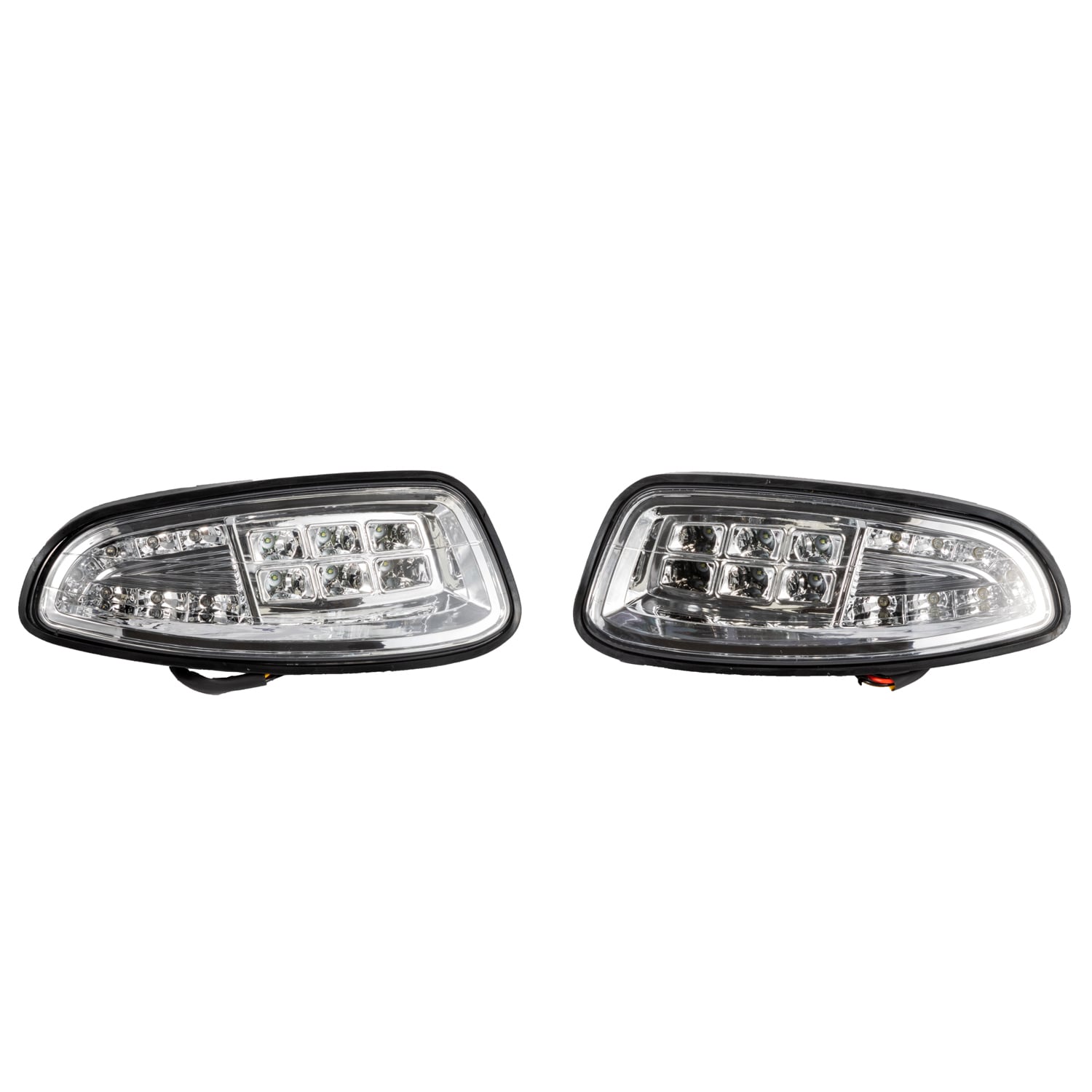
Every terrain places different demands on a golf cart, and the condition and quality of your golf cart parts determine how well the vehicle responds. Whether you are navigating smooth fairways, steep inclines, or rough off-road paths, each surface tests your golf cart parts in a distinct way. Understanding this relationship helps owners and fleet managers make smarter decisions about maintenance, upgrades, and replacements. Ignoring worn or mismatched golf cart parts leads to sluggish performance, safety risks, and higher long-term costs.
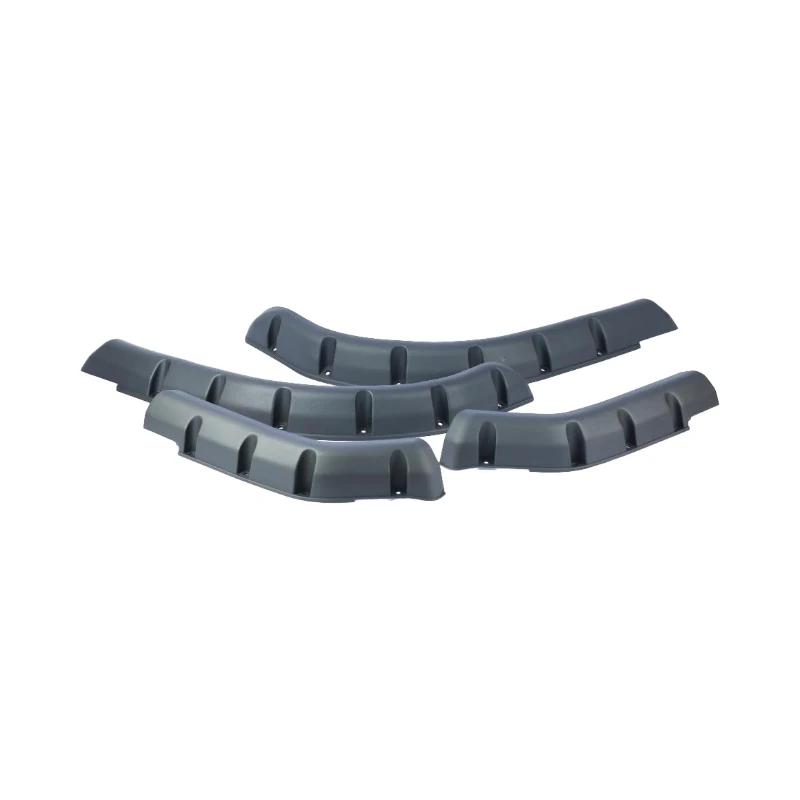
Golf cart parts work as a system, and terrain exposure is one of the most significant variables that separates adequate golf cart parts from truly capable ones. A cart built for flat resort paths will struggle on hilly golf courses without the right golf cart parts supporting traction, braking, and suspension. This article breaks down exactly how golf cart parts interact with different terrains so you can identify what matters most for your specific operating environment. Keeping your golf cart parts in top condition directly translates into smoother rides, safer operation, and longer vehicle lifespan.
How Golf Cart Parts Respond to Flat and Paved Surfaces
Tires and Wheels on Smooth Terrain
On flat, paved, or well-maintained turf surfaces, golf cart parts like tires and wheels take center stage. Smooth terrain rewards low-profile tires with minimal tread, reducing rolling resistance and improving speed efficiency. The right golf cart parts for flat surfaces prioritize consistent contact with the ground, which reduces vibration and wear. Choosing golf cart parts designed for paved use means selecting tires with appropriate pressure ratings and wheel materials that resist cracking under consistent load.
Battery and motor golf cart parts also play a key role on flat terrain. On level ground, the motor draws lower current, allowing battery golf cart parts to deliver longer range per charge. Well-maintained electrical golf cart parts, including cables, connectors, and charge controllers, ensure smooth power delivery across flat paths. Neglecting these golf cart parts shortens range and increases the risk of sudden power loss during operation.
Chassis and Frame Golf Cart Parts
On flat surfaces, the chassis and body golf cart parts experience less flexing stress than on rough terrain. However, this does not mean these golf cart parts can be overlooked. Frame alignment and body panel golf cart parts such as fender flares still matter for aerodynamic stability and protection against debris. Well-fitted golf cart parts at the frame level reduce vibration transfer to passengers, making rides smoother even on the most even surfaces.
Golf Cart Parts That Matter Most on Hills and Inclines
Braking System Golf Cart Parts
Hilly terrain places the heaviest demands on braking system golf cart parts. When a cart descends a slope, brake drum, brake cable, and brake pad golf cart parts must absorb significant kinetic energy. Worn or incorrectly adjusted golf cart parts in the braking system create dangerous situations where stopping distance becomes unpredictable. Regularly inspecting and replacing braking golf cart parts is non-negotiable for any cart used on inclines.
Uphill driving stresses motor and controller golf cart parts in equal measure. When climbing a grade, the motor demands higher torque, and controller golf cart parts must manage increased current flow. Upgrading to high-torque motor golf cart parts improves hill-climbing ability significantly. Cooling-related golf cart parts also become critical here, as overheating controllers and motors are a common failure mode on steep terrain when golf cart parts are not properly rated for incline use.
Rear Axle and Differential Golf Cart Parts
The rear axle and differential golf cart parts distribute driving force between the rear wheels during incline driving. Worn axle golf cart parts cause uneven power delivery, which can result in wheel spin or loss of directional control on slopes. Inspecting differential and axle golf cart parts as part of a routine maintenance schedule ensures that the cart maintains traction and stability when gradient increases. These golf cart parts are often overlooked until failure occurs, making proactive replacement essential.
Golf Cart Parts Designed for Off-Road and Rough Terrain
Suspension Golf Cart Parts
Off-road and rough terrain exposes suspension golf cart parts to the harshest conditions. Leaf springs, shock absorbers, and A-arm golf cart parts absorb impacts from rocks, roots, uneven ground, and loose surfaces. Upgrading suspension golf cart parts to heavy-duty variants dramatically improves ride comfort and protects other golf cart parts from vibration-induced fatigue. Standard suspension golf cart parts designed for smooth courses degrade rapidly when used on unpaved terrain, increasing maintenance frequency across the entire vehicle.
Lift kits are a category of golf cart parts that raise ground clearance specifically for rough terrain use. These golf cart parts create space for larger off-road tires while repositioning suspension geometry to handle obstacles more effectively. When combining lift kit golf cart parts with aggressive all-terrain tires, the cart gains the ability to navigate surfaces that would otherwise be impassable. However, installing lift kit golf cart parts also affects steering geometry, so front-end golf cart parts should be inspected and adjusted accordingly.
Exterior Protection Golf Cart Parts
Body and exterior golf cart parts like fender flares, mud guards, and protective panels serve a functional purpose on rough terrain. These golf cart parts prevent dirt, rocks, and debris from contacting wheels, brakes, and undercarriage components. High-quality fender flare golf cart parts made from durable materials protect the vehicle from stone chips and mud buildup that can compromise performance over time. Investing in robust exterior golf cart parts reduces cleaning time and extends the service life of mechanical golf cart parts housed beneath the body.
FAQ
Which golf cart parts wear out fastest on rough terrain?
Suspension golf cart parts, including shocks and springs, wear out fastest on rough terrain. Tires and brake golf cart parts also degrade more rapidly when exposed to uneven surfaces. Inspecting these golf cart parts frequently reduces the risk of unexpected failures during operation.
Can I use the same golf cart parts for all terrain types?
Some golf cart parts are universal, but terrain-specific golf cart parts generally deliver better performance in their intended environment. Tires, suspension, and motor golf cart parts benefit most from being matched to the terrain. Using flat-terrain golf cart parts on rough ground shortens their lifespan and reduces performance quality significantly.
How often should I replace key golf cart parts if I drive on hilly courses?
Golf cart parts used on hilly terrain should be inspected every 50 to 75 operating hours. Braking golf cart parts, motor components, and axle golf cart parts are priority items for inspection. Replacing worn golf cart parts proactively before full failure prevents costly secondary damage to surrounding components.