
 EN
EN
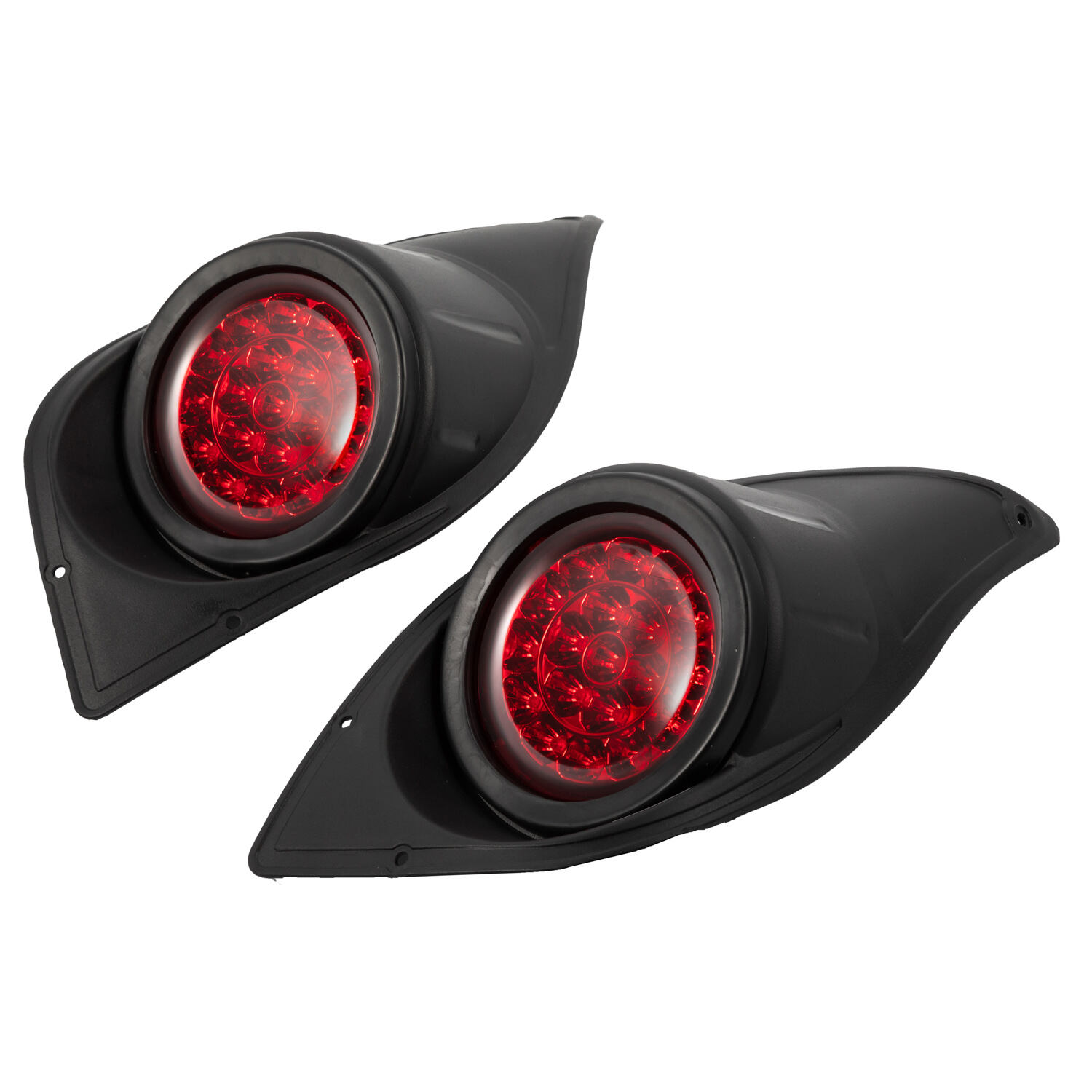
Selecting the correct golf cart parts for maintenance is one of the most important decisions a fleet manager or individual owner can make. Whether you operate a single recreational vehicle or manage a large fleet on a professional course, sourcing the right golf cart parts directly affects safety, reliability, and long-term operating costs. Understanding the key guidelines before purchasing helps you avoid costly mistakes and keeps your cart running at peak performance.
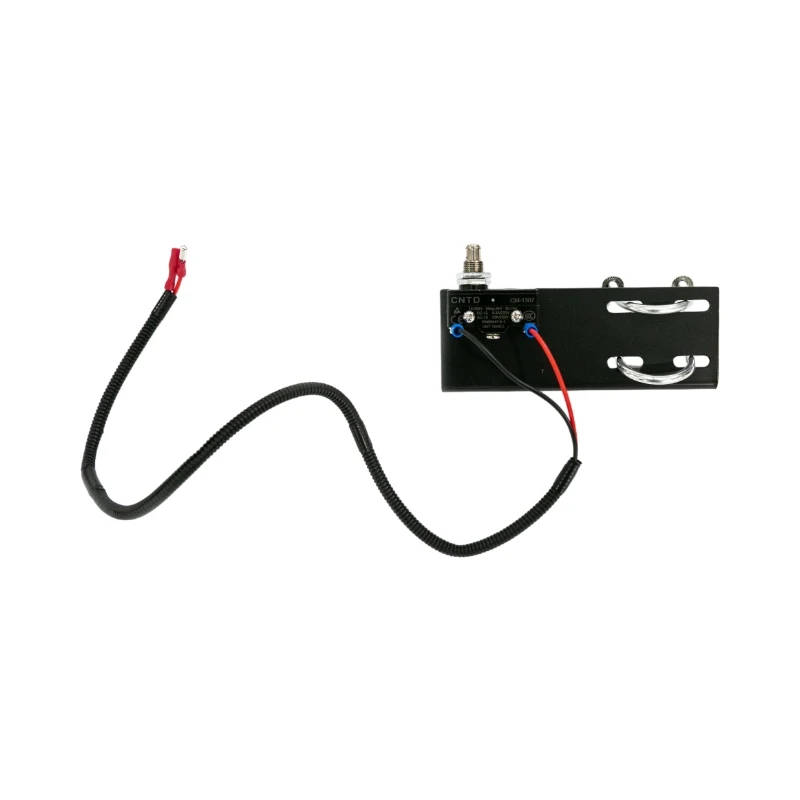
Many owners underestimate how much the quality and compatibility of golf cart parts influence the lifespan of their vehicle. From brake switches and plastic housings to electrical connectors and drivetrain components, every set of golf cart parts must meet the specific demands of the cart model and its operating environment. This article outlines the essential guidelines that help you choose golf cart parts wisely for any maintenance task.
Compatibility Comes First When Selecting Golf Cart Parts
Model and Year Verification for Golf Cart Parts
The first rule when sourcing golf cart parts is to verify the exact make, model, and production year of your vehicle. Golf cart parts are not universally interchangeable, and even minor differences between model years can render a part incompatible. Before ordering any golf cart parts, confirm the vehicle identification number and cross-reference it with the manufacturer's parts catalog. This step alone eliminates the majority of fitment errors that lead to wasted time and money.
Compatibility extends beyond basic fitment. When replacing golf cart parts such as brake components or plastic covers, the replacement must match the original dimensions, mounting points, and material specifications. Using mismatched golf cart parts can introduce stress on adjacent components, creating new maintenance problems rather than solving existing ones. Always request technical data sheets or fitment guides when purchasing golf cart parts from a new supplier.
OEM vs. Aftermarket Golf Cart Parts
Choosing between OEM and aftermarket golf cart parts is a common decision point in any maintenance routine. OEM golf cart parts are manufactured to the original vehicle specification and typically offer a guaranteed fit. Aftermarket golf cart parts, when sourced from reputable manufacturers, can deliver equivalent or even superior performance at a more competitive price. The critical factor is supplier transparency — a reliable supplier of golf cart parts will clearly disclose material grades, tolerances, and testing standards so buyers can make informed comparisons.
Quality and Material Standards for Golf Cart Parts
Evaluating Structural Quality in Golf Cart Parts
The structural quality of golf cart parts directly determines how long they perform under real operating conditions. Golf carts endure repeated vibration, exposure to outdoor elements, and frequent stop-start cycles. Golf cart parts made from substandard plastics, low-grade metals, or poorly treated surfaces will degrade quickly. When evaluating golf cart parts, look for components that use UV-resistant plastics, corrosion-resistant metals, and high-cycle-rated mechanical elements. These material properties are especially critical for golf cart parts that interact with braking, steering, or electrical systems.
For plastic golf cart parts specifically, the grade of polymer used affects flexibility, impact resistance, and heat tolerance. A brake switch housing or plastic cover made from engineering-grade plastic will outlast standard-grade alternatives significantly. When comparing golf cart parts from different suppliers, always ask about the material specification rather than relying on appearance alone. High-quality golf cart parts will often come with documented material data that supports their durability claims.
Testing and Certification for Golf Cart Parts
Reputable suppliers of golf cart parts will subject their products to functional testing before shipment. For critical golf cart parts such as brake switches, electrical connectors, and load-bearing brackets, functional testing confirms that the part performs within its designed operating parameters. Certifications relevant to golf cart parts may include electrical safety ratings, impact resistance standards, and dimensional accuracy tolerances. Prioritizing certified golf cart parts reduces the risk of premature failure and protects the safety of passengers and operators alike.
Sourcing Strategy and Supplier Evaluation for Golf Cart Parts
Building a Reliable Supply Chain for Golf Cart Parts
A consistent supply chain for golf cart parts is essential for fleet operators who cannot afford extended downtime. When evaluating suppliers of golf cart parts, consider their production capacity, lead times, minimum order quantities, and willingness to provide customized golf cart parts when standard specifications do not fit your exact needs. Suppliers who offer customization for golf cart parts demonstrate deeper engineering capability and a stronger commitment to client-specific solutions. This flexibility is particularly valuable for older cart models where standardized golf cart parts may no longer be in production.
Beyond production capability, assess supplier communication and after-sales support. A reliable golf cart parts supplier will respond clearly to technical inquiries, provide accurate lead time estimates, and stand behind their golf cart parts with a defined warranty or quality guarantee. Vetting suppliers through sample orders before committing to large volumes of golf cart parts is a widely recommended practice among professional fleet managers. Sample evaluation lets you verify the actual quality of golf cart parts before they enter your maintenance workflow.
Cost Efficiency Without Compromising Golf Cart Parts Quality
Cost is always a factor when sourcing golf cart parts, but choosing the cheapest option often leads to higher total maintenance costs over time. Golf cart parts that fail prematurely require additional labor, create vehicle downtime, and may damage surrounding components. A more cost-effective approach is to calculate the total cost of ownership for golf cart parts, factoring in service life, installation time, and compatibility risk. Investing in well-made golf cart parts from a credible supplier typically delivers better value than cycling through low-cost alternatives repeatedly.
FAQ
How do I know which golf cart parts are compatible with my vehicle?
Always start by identifying your cart's make, model, and year. Cross-reference these details with the manufacturer's parts catalog or request fitment guidance from your supplier. Reputable suppliers of golf cart parts will help verify compatibility before you place an order.
Are aftermarket golf cart parts reliable for regular maintenance?
Aftermarket golf cart parts can be highly reliable when sourced from manufacturers who follow documented quality standards. Verify material specifications, request test data, and consider starting with a sample order. Well-made aftermarket golf cart parts often match OEM performance at a lower cost.
What should I prioritize when evaluating a new supplier of golf cart parts?
Prioritize transparency, technical documentation, and after-sales support. A trustworthy supplier of golf cart parts will openly share material grades, testing results, and warranty terms. Production flexibility and clear communication are also strong indicators of a supplier who will consistently deliver quality golf cart parts.