 EN
EN
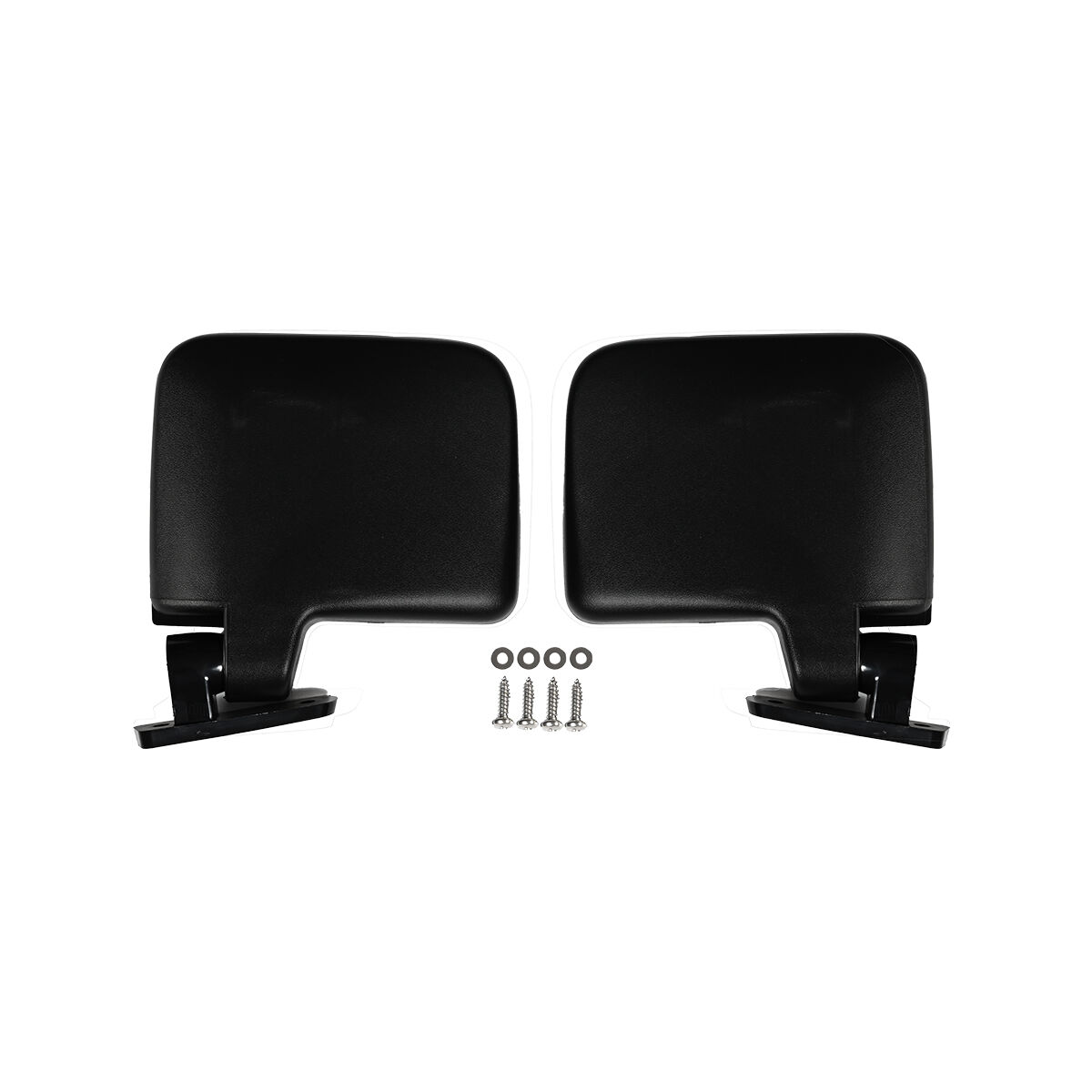
The effectiveness of side mirror design directly influences driver safety and situational awareness across diverse driving environments. Understanding how mirror geometry, positioning, and visual properties adapt to the distinct challenges of urban congestion and high-speed highway travel reveals why thoughtful design engineering matters for both personal vehicles and specialized transportation equipment. Modern mirror systems must balance wide-angle coverage with minimal distortion while maintaining clear sight lines through varying weather conditions and lighting scenarios.
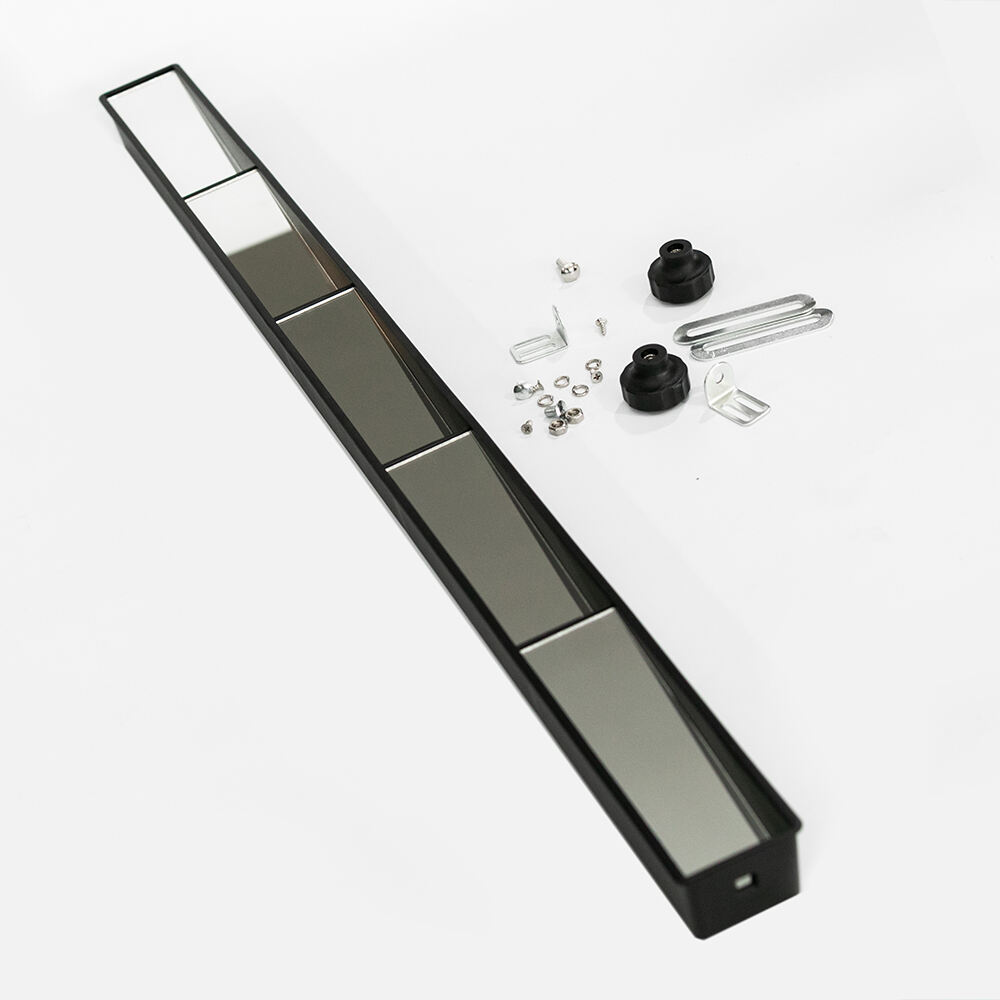
Effective side mirror design serves fundamentally different purposes in stop-and-go urban traffic versus continuous highway cruising, requiring sophisticated optical engineering that addresses both close-proximity maneuvering and long-distance lane monitoring. The geometric relationship between mirror curvature, mounting angle, and driver eye position determines whether blind spots remain manageable or become dangerous gaps in peripheral vision. Professional transportation applications, from delivery vehicles to recreational equipment, depend on mirror configurations that maintain consistent visual coverage regardless of operating environment.
Urban Driving Requirements for Mirror Design
Close-Range Object Detection Capabilities
Urban environments demand side mirror design solutions that excel at detecting pedestrians, cyclists, and closely positioned vehicles within the immediate vicinity of the driver. The mirror surface curvature must provide sufficient wide-angle coverage to capture movement in adjacent parking spaces while minimizing the fish-eye distortion that makes distance judgment difficult. Proper mirror geometry ensures that objects approaching from crosswalks or emerging from between parked cars become visible early enough for defensive driving responses.
The mounting height and angle adjustment range of urban-optimized side mirror design allows drivers to fine-tune their viewing perspective based on seat position and typical traffic patterns. Lower mounting positions often provide better coverage of bicycle lanes and pedestrian areas, while adjustable tilt mechanisms help compensate for varying load conditions that might affect vehicle stance. Multi-panel mirror configurations can eliminate traditional blind spots entirely by combining flat and convex sections within a single housing.
Parking and Maneuvering Support
Parallel parking and tight-space navigation require side mirror design features that provide precise depth perception and curb proximity awareness. The mirror surface area must be sufficient to show both the intended parking space and the relationship between the vehicle's body and nearby obstacles. Graduated curvature designs offer enhanced spatial awareness by presenting both close-range detail and medium-distance context within the same viewing field.
Professional drivers operating in urban delivery scenarios benefit from side mirror design systems that include supplementary convex sections specifically calibrated for loading dock approaches and narrow alley navigation. The optical properties of these specialized mirrors reduce the apparent speed of approaching objects while maintaining accurate relative positioning information. Vibration dampening in the mirror mount prevents image blur during low-speed maneuvering over uneven pavement surfaces.
Weather and Lighting Adaptation
Urban side mirror design must account for the complex lighting conditions created by building shadows, neon signage, and frequent transitions between bright and dim areas. Anti-glare coatings and surface treatments help maintain visibility during dawn and dusk commuting hours when reflected sunlight from glass buildings can overwhelm standard mirror surfaces. The mirror housing design often includes integrated heating elements to prevent fog and ice accumulation during adverse weather conditions.
Rain-shedding characteristics become crucial in urban environments where frequent stopping exposes mirrors to extended precipitation exposure. The aerodynamic profile of the mirror housing and the hydrophobic treatments applied to the glass surface determine how quickly water droplets clear from the viewing area. Strategic placement of drainage channels and wind deflectors ensures that mirror visibility remains consistent even during heavy downpours or when following spray-generating vehicles.
Highway Performance Characteristics
High-Speed Lane Change Safety
Highway driving places unique demands on side mirror design that prioritize long-distance object tracking and rapid approach-speed assessment. The optical geometry must provide clear visibility of vehicles several lanes away while maintaining sufficient detail to judge closing rates accurately. Mirror positioning at highway speeds requires consideration of wind-induced vibration and the need for stable image quality during sustained high-velocity travel.
Advanced side mirror design for highway applications incorporates aerodynamic housings that minimize wind noise and pressure-induced movement. The structural mounting system must withstand sustained crosswinds and buffeting from passing trucks without introducing image shake or positional drift. Electronic stabilization systems in premium mirror designs actively counteract vibration to maintain sharp image quality even in challenging wind conditions.
Long-Distance Visibility Optimization
Highway mirror applications require optical characteristics that preserve image clarity across extended viewing distances while compensating for atmospheric haze and thermal distortion. The mirror surface quality and protective coatings must resist degradation from prolonged UV exposure and road debris impact. Anti-reflective treatments reduce internal reflections that can obscure distant objects, particularly during sunrise and sunset driving periods.
The field-of-view calculations for highway-optimized side mirror design balance wide-angle coverage with the magnification needed to identify vehicle types and behaviors at significant distances. Graduated curvature profiles provide enhanced long-range visibility while maintaining adequate near-field coverage for construction zones and merging traffic scenarios. Professional transportation applications often specify mirror systems with extended viewing ranges to accommodate trailer combinations and oversized load configurations.
Aerodynamic Integration Considerations
Modern side mirror design incorporates aerodynamic principles that reduce drag coefficient while maintaining optimal viewing characteristics. The mirror housing contour and attachment methodology contribute significantly to overall vehicle efficiency at highway speeds. Computational fluid dynamics modeling guides the development of mirror profiles that minimize turbulence and pressure differentials around the mounting area.
Advanced materials in contemporary side mirror design construction provide strength and durability while reducing weight that could contribute to aerodynamic instability. Carbon fiber reinforced plastics and specialized polymer compounds offer superior impact resistance compared to traditional glass and metal construction. The integration of LED lighting elements within the mirror housing requires careful attention to thermal management and electrical reliability under sustained highway operation.
Optical Engineering Principles
Curvature and Distortion Management
The mathematical relationship between mirror curvature and image distortion represents a fundamental challenge in side mirror design optimization. Spherical mirror surfaces provide consistent magnification across the viewing area but introduce significant visual compression that affects distance judgment. Aspherical designs offer reduced distortion in critical viewing zones while maintaining wide-angle coverage where precise distance measurement is less crucial for safety decisions.
Advanced side mirror design employs computer-controlled surface grinding techniques to create complex curvature profiles that optimize visibility characteristics for specific applications. The transition zones between different curvature regions must be carefully engineered to avoid visual discontinuities that could confuse drivers during critical maneuvering situations. Precision manufacturing tolerances ensure consistent optical performance across production quantities while maintaining cost-effectiveness for commercial applications.
Surface Treatment and Coating Technologies
Modern side mirror design incorporates multiple layers of specialized coatings that enhance visibility while protecting the underlying mirror substrate from environmental degradation. Anti-reflective treatments reduce ghost images and internal reflections that can obscure important visual information. Hydrophobic surface modifications improve water shedding characteristics and reduce cleaning maintenance requirements in professional transportation applications.
Scratch-resistant and impact-resistant coating systems extend the service life of side mirror design installations while maintaining optical clarity throughout the operational period. Electrochromic technologies allow automatic adjustment of mirror reflectivity based on ambient lighting conditions, reducing glare from following vehicles during night driving. These advanced coating systems require careful quality control during manufacturing to ensure uniform application and long-term adhesion performance.
Mounting System Engineering
The mechanical interface between mirror assembly and vehicle structure significantly influences the effectiveness of side mirror design systems. Vibration isolation techniques prevent road surface irregularities and engine harmonics from degrading image stability. Multi-axis adjustment mechanisms allow precise positioning optimization for different driver anthropometrics and seat configurations while maintaining secure lock-up under operational loads.
Professional-grade side mirror design applications often specify reinforced mounting systems capable of withstanding impact damage and vandalism attempts. The structural attachment points must distribute loads effectively to prevent stress concentration that could lead to premature failure. Corrosion resistance becomes particularly important in commercial applications where vehicles experience extended exposure to road salt and industrial atmospheric contaminants.
Application-Specific Design Considerations
Vehicle Size and Configuration Factors
The dimensional characteristics of the host vehicle significantly influence optimal side mirror design parameters. Larger commercial vehicles require mirror systems with extended reach and enhanced coverage areas to overcome the increased blind spot regions created by cab height and body width. The relationship between mirror positioning and driver eye height determines the effective viewing angles available for traffic monitoring and maneuvering guidance.
Specialized transportation equipment, including recreational vehicles and utility equipment, benefits from side mirror design solutions that accommodate unique operational requirements. Golf cart applications, for example, require mirror systems optimized for low-speed maneuvering and compact installation spaces while maintaining adequate visibility for pathway navigation. The mounting hardware must integrate cleanly with existing vehicle aesthetics while providing reliable adjustment and retention capabilities.
Regulatory Compliance and Safety Standards
Professional side mirror design must conform to established safety regulations that specify minimum viewing areas and optical performance criteria. Department of Transportation standards define field-of-view requirements and image quality specifications that ensure adequate visibility for commercial vehicle operations. International regulations may impose additional requirements for mirror positioning, marking, and breakaway characteristics to protect pedestrians during low-speed collisions.
The certification process for commercial side mirror design applications involves extensive testing of optical performance, structural integrity, and environmental durability. Validation procedures simulate years of operational exposure through accelerated aging tests and impact resistance evaluations. Documentation requirements ensure traceability of design decisions and manufacturing processes that affect safety-critical performance characteristics.
Maintenance and Service Life Optimization
Long-term effectiveness of side mirror design depends on maintenance accessibility and component replacement procedures. Professional transportation applications require mirror systems that support field servicing without specialized tools or extensive vehicle disassembly. Modular construction techniques allow selective replacement of damaged components while preserving the overall mirror assembly integrity and calibration.
Environmental protection systems within advanced side mirror design include sealed electrical connections and drainage provisions that prevent moisture accumulation and corrosion damage. The selection of materials and surface treatments considers the expected service environment and maintenance interval requirements. Preventive maintenance protocols help ensure consistent optical performance throughout the mirror system service life while minimizing operational downtime for commercial applications.
FAQ
What makes side mirror design different for urban versus highway driving conditions?
Urban side mirror design prioritizes wide-angle coverage and close-range object detection to handle pedestrians, cyclists, and tight parking situations, while highway applications focus on long-distance visibility and high-speed stability. The curvature profiles and mounting configurations are optimized differently to address the distinct visibility challenges of each environment, with urban mirrors emphasizing broader peripheral coverage and highway mirrors providing enhanced distant object tracking capabilities.
How does mirror curvature affect visibility and safety in different driving scenarios?
Mirror curvature directly influences the field of view and image distortion characteristics that drivers experience. Flatter mirrors provide accurate distance perception but limited coverage area, while more curved surfaces offer wider viewing angles with increased distortion that can make distance judgment challenging. Advanced side mirror design uses aspherical surfaces and graduated curvature to balance these competing requirements, providing optimal visibility for specific applications while minimizing visual confusion.
What role do mounting systems play in side mirror design effectiveness?
The mounting system determines mirror stability, adjustment range, and long-term positioning accuracy under various operating conditions. Properly engineered mounts prevent vibration-induced image blur and maintain precise alignment despite road surface irregularities and aerodynamic forces. Professional-grade mounting systems include multi-axis adjustment capabilities and reinforced attachment points that accommodate different vehicle configurations while ensuring reliable performance throughout the service life.
Why do different vehicle types require specialized side mirror design approaches?
Vehicle size, operating environment, and regulatory requirements create unique visibility challenges that standard mirror configurations cannot address effectively. Commercial vehicles need enhanced coverage for larger blind spot areas, while specialized equipment like golf carts requires compact solutions optimized for low-speed maneuvering. The side mirror design process considers driver eye position, typical operating scenarios, and safety regulations to develop application-specific solutions that optimize visibility and operational effectiveness.
Table of Contents
- Urban Driving Requirements for Mirror Design
- Highway Performance Characteristics
- Optical Engineering Principles
- Application-Specific Design Considerations
-
FAQ
- What makes side mirror design different for urban versus highway driving conditions?
- How does mirror curvature affect visibility and safety in different driving scenarios?
- What role do mounting systems play in side mirror design effectiveness?
- Why do different vehicle types require specialized side mirror design approaches?