
 EN
EN
Floor mats serve as the first line of defense against dirt, moisture, and debris that can damage vehicle interiors and equipment surfaces. When selecting protective flooring solutions for vehicles, golf carts, or industrial equipment, understanding the characteristics that define all-weather performance becomes crucial for long-term durability and functionality. The right floor mat must withstand extreme temperatures, resist moisture penetration, and maintain structural integrity across diverse environmental conditions.
Material Composition and Weather Resistance
Rubber and Polymer Technologies
Modern all-weather floor mats utilize advanced rubber compounds and synthetic polymers engineered to resist environmental degradation. These materials maintain flexibility in sub-zero temperatures while preventing brittleness that could lead to cracking or splitting. High-quality thermoplastic elastomers provide superior resistance to UV radiation, preventing color fading and material breakdown during prolonged sun exposure. The molecular structure of these compounds ensures consistent performance across temperature ranges from negative forty to positive one hundred fifty degrees Fahrenheit.
Premium materials incorporate anti-static properties that prevent dust accumulation and reduce maintenance requirements. Chemical resistance becomes particularly important in industrial applications where exposure to oils, cleaning solvents, or other automotive fluids might occur. The best performing mats feature closed-cell construction that prevents liquid absorption while maintaining surface grip characteristics essential for safety.
Surface Texture and Traction Design
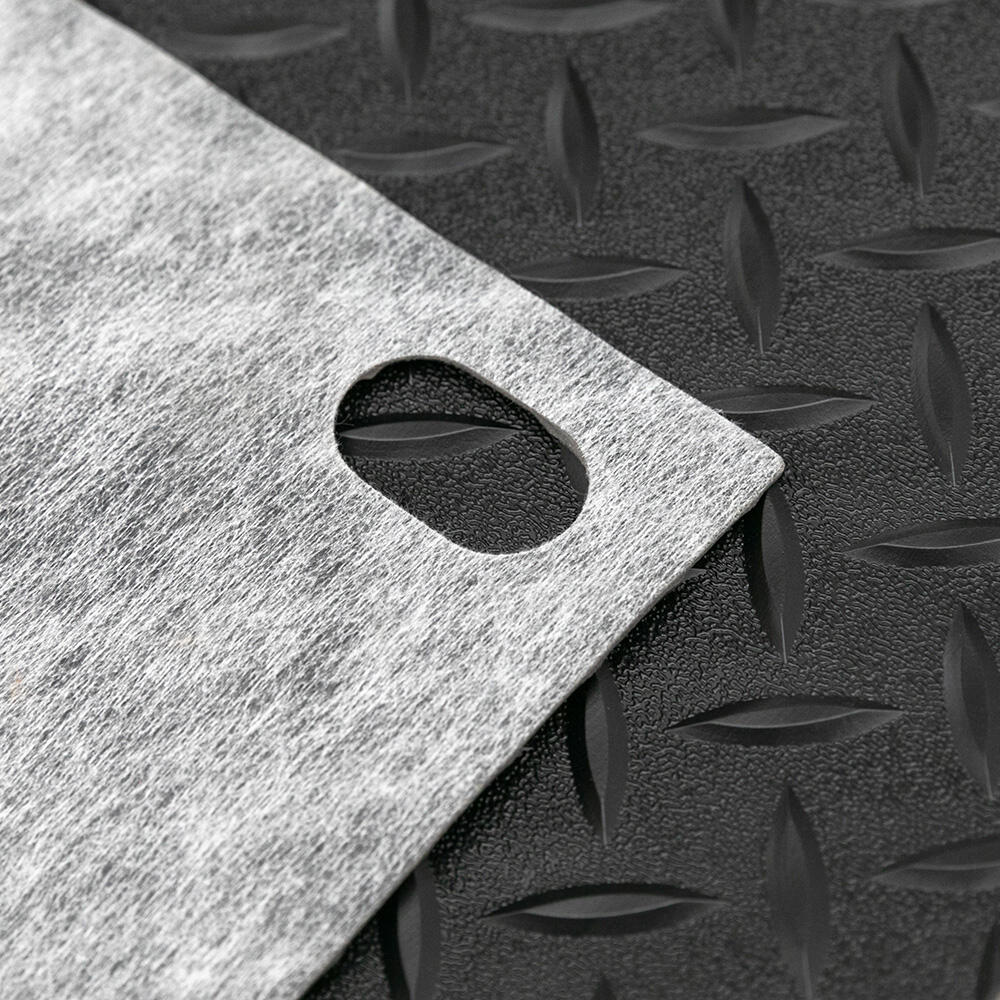
Effective all-weather mats incorporate textured surfaces that enhance grip while facilitating easy cleaning. Diamond plate patterns, raised ridges, or specialized tread designs channel water away from contact surfaces while providing secure footing in wet conditions. These texture elements must be deep enough to remain effective after extended wear but not so aggressive as to trap debris or become difficult to clean.
Surface treatments may include anti-microbial coatings that prevent bacterial growth in humid environments. Advanced manufacturing techniques create micro-textured surfaces that enhance traction without compromising comfort or increasing noise levels during use. The integration of drainage channels ensures rapid water evacuation, preventing pooling that could create slip hazards or promote corrosion of underlying surfaces.
Dimensional Stability and Fit Precision
Temperature Expansion Characteristics
Dimensional stability across temperature ranges represents a critical performance factor for all-weather applications. Quality mats maintain precise fit characteristics without warping, curling, or shrinking when exposed to extreme heat or cold. Engineering specifications must account for thermal expansion coefficients to ensure consistent coverage and edge alignment throughout seasonal changes.
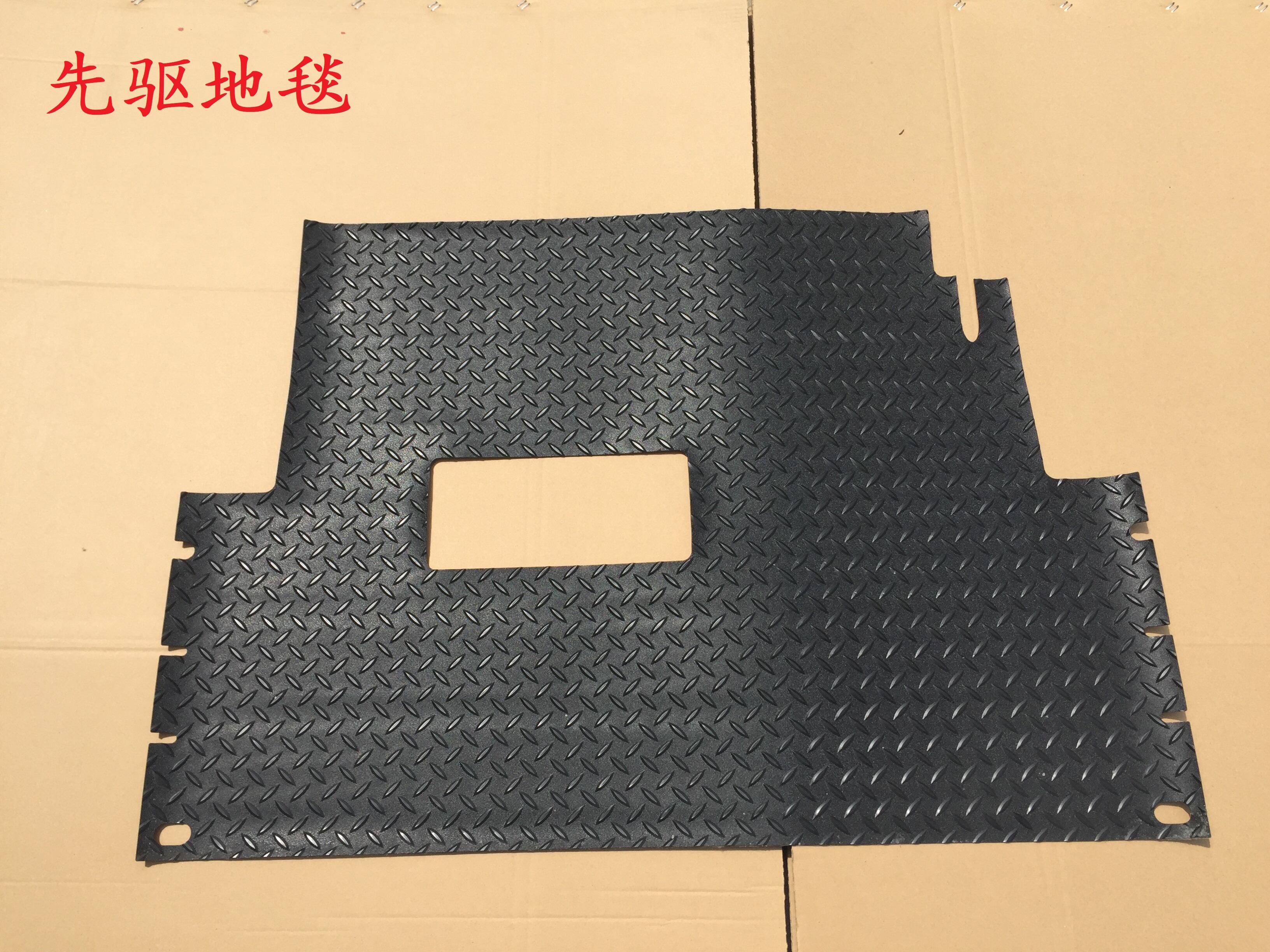
Custom-molded designs provide superior fit compared to universal alternatives, creating seamless integration with existing floor contours. Precision manufacturing tolerances ensure consistent thickness distribution that prevents premature wear patterns or performance degradation. The relationship between material density and flexibility determines how well a floor mat conforms to irregular surfaces while maintaining protective coverage.
Edge Design and Retention Systems
Proper edge configuration prevents moisture infiltration while maintaining secure positioning during use. Raised edges or lip designs contain spills and prevent liquid migration to protected surfaces underneath. The height and angle of these containment features must balance protection effectiveness with user convenience and aesthetic considerations.
Retention mechanisms such as integrated clips, snap-fit systems, or adhesive backing ensure mats remain properly positioned despite vibration, movement, or cleaning procedures. These attachment methods must accommodate repeated removal and reinstallation without degrading hold strength or damaging mounting surfaces. Quality retention systems distribute stress evenly to prevent localized failure points that could compromise overall mat performance.
Maintenance and Longevity Factors
Cleaning Compatibility and Chemical Resistance
All-weather mats must withstand regular cleaning with various detergents, disinfectants, and pressure washing systems without degrading material properties or surface characteristics. Chemical compatibility extends mat lifespan while ensuring consistent appearance and performance throughout the service life. Resistance to common cleaning agents prevents color bleeding, surface deterioration, or texture loss that could reduce effectiveness.
Easy-clean surfaces reduce maintenance time and costs while promoting hygiene in shared-use applications. Smooth areas allow efficient debris removal while textured zones maintain traction properties. The balance between cleanability and functional performance requires careful material selection and surface engineering to optimize both characteristics simultaneously.
Wear Pattern Distribution and Durability
Even wear distribution across the mat surface prevents premature failure in high-traffic areas while maximizing overall service life. Material formulations that resist abrasion, puncture, and tear damage maintain protective qualities throughout extended use cycles. Proper thickness distribution ensures adequate cushioning while providing sufficient structural support for heavy loads.
Quality indicators include resistance to permanent deformation, color stability, and retention of surface texture characteristics. Testing protocols evaluate performance under accelerated aging conditions that simulate years of environmental exposure. The most durable designs incorporate reinforcement elements or multi-layer construction that enhances strength without compromising flexibility or comfort characteristics.
Application-Specific Performance Requirements
Automotive and Transportation Uses
Vehicle applications demand mats that protect carpet and flooring from road salt, mud, snow, and automotive fluids while providing comfortable surfaces for occupants. Integration with existing interior systems requires precise dimensional control and compatibility with seat adjustment mechanisms, pedal operation, and safety equipment access. Noise dampening properties enhance passenger comfort while maintaining protective functionality.
Commercial vehicle applications may require enhanced durability specifications to withstand heavy-duty use cycles and frequent cleaning procedures. Fleet management considerations include standardized sizing, easy replacement procedures, and cost-effective maintenance protocols. Special attention to slip resistance becomes critical in work truck applications where safety equipment access cannot be compromised.
Industrial and Equipment Applications
Industrial environments present unique challenges including exposure to chemicals, oils, extreme temperatures, and heavy machinery loads. All-weather industrial mats must maintain performance characteristics while providing electrical insulation properties where required. Static dissipation capabilities prevent electronic equipment damage while ensuring worker safety in sensitive environments.
Equipment-specific applications such as golf cart modifications require mats that complement existing design aesthetics while providing superior protection and functionality. Recreational vehicle uses demand lightweight construction that does not compromise payload capacity while delivering professional-grade performance characteristics. Integration with existing mounting systems simplifies installation while ensuring secure retention during operation.
FAQ
How do I determine the correct size for replacement floor mats
Measure the existing mat area carefully, including any raised edges or mounting points that affect overall dimensions. Consider whether you need exact replacement sizing or can accommodate slight variations for improved coverage. Check manufacturer specifications for your specific equipment model to ensure compatibility with retention systems and clearance requirements around moving parts or controls.
What maintenance schedule provides optimal mat performance
Regular cleaning every two weeks prevents debris buildup that could damage mat surfaces or reduce traction effectiveness. Inspect monthly for signs of wear, cracking, or edge damage that might compromise protective qualities. Deep cleaning quarterly with appropriate chemical agents maintains appearance while extending service life through proper material care.
Can all-weather mats be used in extreme temperature environments
Quality all-weather mats function effectively in temperature ranges from negative forty to positive one hundred fifty degrees Fahrenheit when manufactured with appropriate material specifications. Extreme applications may require specialized compounds or construction techniques to maintain flexibility and strength characteristics. Consult manufacturer temperature ratings to ensure compatibility with your specific environmental conditions.
What factors indicate when floor mat replacement becomes necessary
Replace mats when surface texture becomes smooth enough to reduce traction, when cracks or tears compromise protective coverage, or when edges curl sufficiently to create trip hazards or allow moisture infiltration. Color fading alone does not necessarily indicate functional degradation, but combined with other wear indicators suggests approaching end of service life. Monitor retention system integrity to prevent unexpected mat displacement during use.