
 EN
EN
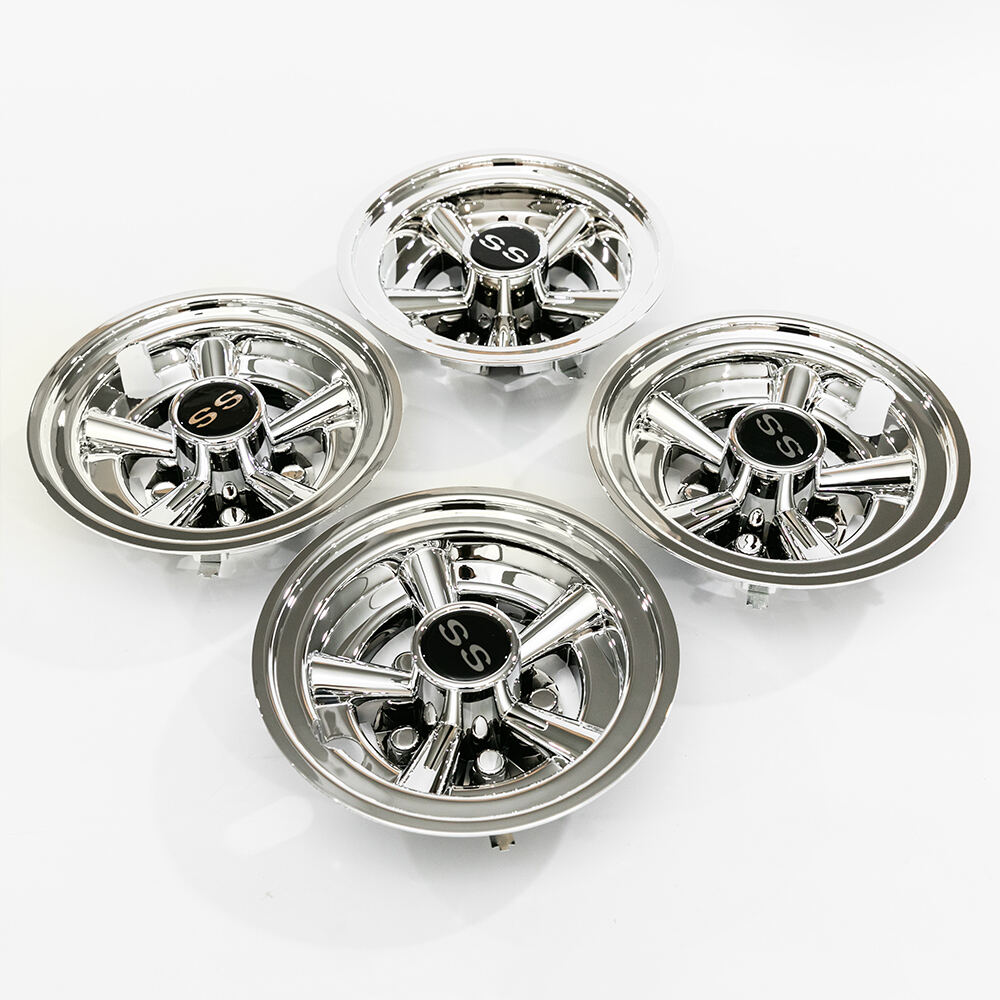
Sourcing golf cart parts in bulk is a significant purchasing decision that affects fleet performance, maintenance schedules, and long-term operating costs. Whether you manage a resort, golf course, or rental operation, buying golf cart parts at volume demands more than just finding the lowest price. Buyers must evaluate quality standards, compatibility, supplier reliability, and logistical factors before committing to large orders.
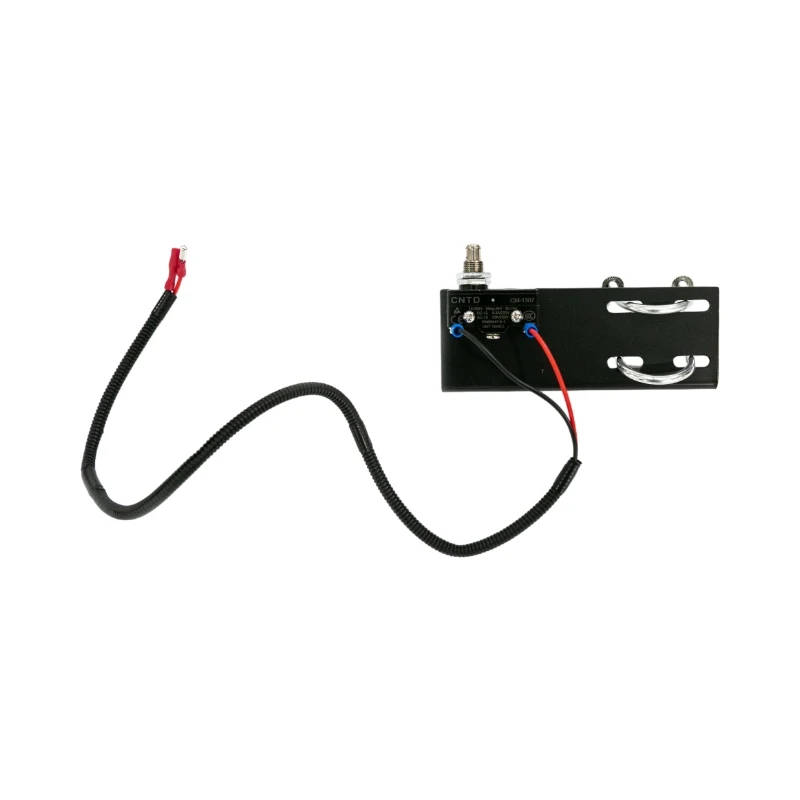
This guide outlines the essential considerations every buyer should assess when sourcing golf cart parts in bulk. From verifying part specifications to evaluating supplier capacity, each factor plays a role in ensuring your procurement process delivers reliable, cost-effective results. Taking a structured approach to bulk sourcing of golf cart parts protects your investment and reduces the risk of costly errors down the line.
Quality and Compatibility Standards for Golf Cart Parts
Verifying Part Specifications and Fitment
The most critical step when sourcing golf cart parts in bulk is confirming that every part meets the exact specifications required for your fleet. Golf cart parts are not universally interchangeable. A brake switch designed for one model may not fit another, even if the carts appear similar externally. Buyers should always request detailed technical drawings, material certifications, and model compatibility charts from suppliers before placing bulk orders. Investing time in specification verification for golf cart parts prevents expensive returns, rework, and downtime.
When reviewing golf cart parts for compatibility, consider the make, model year, drive system, and intended operating environment. Plastic golf cart parts used in braking or structural applications must comply with relevant load-bearing and temperature resistance standards. Requesting sample golf cart parts before finalizing a bulk order is a sound practice that allows your technical team to conduct physical fitment tests and functional checks under real operating conditions.
Material Quality and Durability Expectations
Not all golf cart parts are manufactured to the same material quality level. Buyers sourcing golf cart parts in bulk should evaluate the grade of plastics, metals, and composites used in production. Lower-grade golf cart parts may offer short-term cost savings but often lead to premature failure, higher warranty claims, and increased total cost of ownership. Request material data sheets and ask suppliers about quality control processes, inspection protocols, and rejection rates for golf cart parts during manufacturing.
Durable golf cart parts reduce maintenance frequency and extend the service life of each vehicle in your fleet. When evaluating golf cart parts quality, look for suppliers who apply consistent inspection standards across production batches. Consistency is especially important when ordering golf cart parts in large quantities, where even minor variations in tolerances can create installation problems across an entire fleet.
Supplier Evaluation for Bulk Golf Cart Parts Orders
Assessing Supplier Capacity and Lead Times
When placing bulk orders for golf cart parts, supplier production capacity directly affects your procurement timeline. A supplier who cannot reliably produce golf cart parts at your required volume may cause delays that disrupt your maintenance schedule or fleet expansion plans. During supplier evaluation, ask about current production capacity, typical lead times for bulk golf cart parts orders, and how they manage peak demand periods.
Reliable suppliers of golf cart parts should be able to provide references from existing bulk buyers. Reviewing these references gives you insight into how the supplier handles order fulfillment, communication, and quality consistency for golf cart parts over time. A supplier with a demonstrated track record in bulk golf cart parts supply is a lower-risk choice compared to those with limited experience at scale.
Customization Capabilities and Private Label Options
Many buyers sourcing golf cart parts in bulk also require customization, such as branded packaging, specific color coding, or modified dimensions. Confirming that a supplier can accommodate customization requests for golf cart parts before signing a contract avoids complications later. Suppliers who manufacture golf cart parts with flexible tooling and experienced engineering teams are better positioned to handle custom requirements without excessive lead time penalties.
Private label options for golf cart parts can also add business value for distributors and resellers. If your business model involves reselling golf cart parts under your own brand, ensure that your supplier explicitly supports private label agreements and can meet packaging and documentation requirements. Clear contractual terms covering intellectual property for custom golf cart parts designs are essential to protect your brand interests.
Logistics, Pricing, and Risk Management in Bulk Sourcing
Total Cost Calculation Beyond Unit Price
Buyers focused solely on unit price when sourcing golf cart parts in bulk often overlook hidden costs that erode savings. Shipping fees, import duties, warehousing, inspection costs, and payment terms all contribute to the true landed cost of golf cart parts. Build a complete cost model that accounts for every expense associated with receiving golf cart parts at your facility. This approach provides an accurate basis for comparing supplier quotes and making financially sound procurement decisions.
Payment terms also matter when sourcing golf cart parts at volume. Favorable payment structures, such as milestone-based payments or extended credit terms, reduce cash flow pressure and allow you to scale golf cart parts purchases more sustainably. Negotiate these terms alongside pricing during the initial supplier discussions rather than treating them as an afterthought.
Inventory Management and Risk Mitigation
Ordering golf cart parts in bulk increases inventory exposure. If golf cart parts sit in a warehouse for extended periods due to slow turnover or unexpected model changes in your fleet, carrying costs accumulate quickly. Work with your operations team to forecast realistic demand for each category of golf cart parts before committing to large order quantities. Stagger deliveries where possible to reduce warehouse burden while maintaining supply continuity for golf cart parts.
Risk mitigation for bulk golf cart parts procurement should also include contractual protections. Clearly defined quality acceptance criteria, return and replacement policies, and delivery guarantees protect your business if golf cart parts fail to meet agreed standards. Having a secondary approved supplier for critical golf cart parts reduces the impact of any single-source disruption and ensures your fleet operations continue without interruption.
FAQ
How do I verify that bulk golf cart parts will fit my fleet models?
Request detailed specification sheets and compatibility charts for all golf cart parts before placing a bulk order. Order sample golf cart parts for physical fitment testing on your actual fleet models. Confirm part numbers, dimensions, and model-year compatibility directly with your supplier.
What quality certifications should I look for in golf cart parts suppliers?
Look for suppliers of golf cart parts who operate under recognized quality management systems. Ask for material certifications, inspection reports, and documentation showing that golf cart parts meet relevant industry or safety standards. Consistent quality documentation indicates a supplier committed to reliable production.
How can I reduce cost risks when buying golf cart parts in large volumes?
Calculate the full landed cost of golf cart parts including shipping, duties, and storage before comparing supplier prices. Negotiate favorable payment terms and stagger deliveries to manage cash flow. Establish contractual protections covering quality standards and return policies for golf cart parts to minimize financial exposure if issues arise.