
 EN
EN
Across the automotive and specialty vehicle industries, the humble wheel cover has quietly moved from a purely cosmetic accessory to a component held to increasingly rigorous standards. Fleet operators, vehicle manufacturers, and procurement teams are all paying closer attention to how a wheel cover performs, fits, and endures across different operating environments. This shift is not accidental — it reflects broader changes in how vehicles are designed, regulated, and used across commercial, recreational, and industrial contexts.
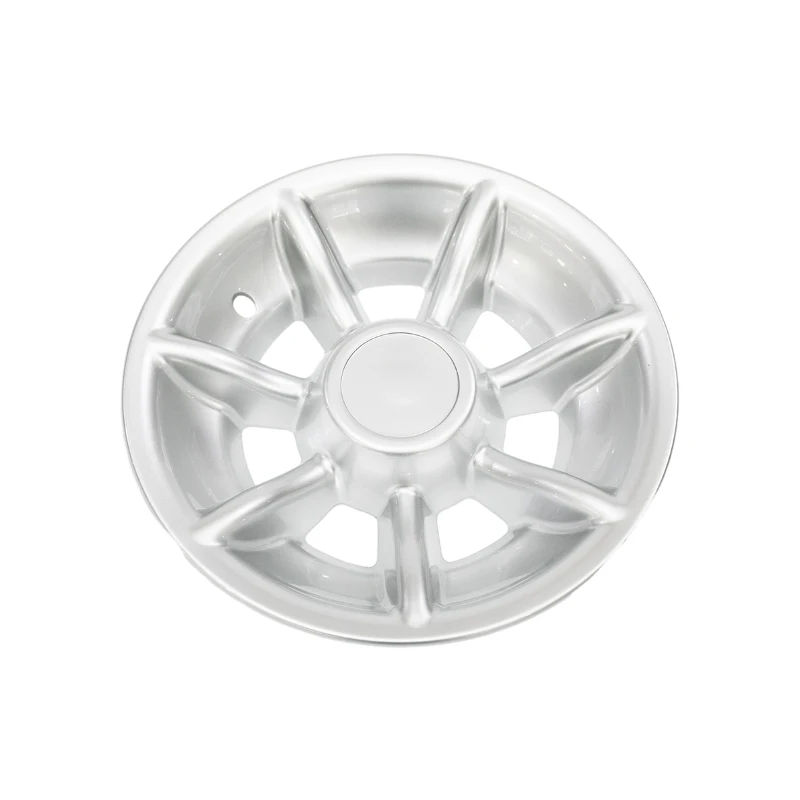
Understanding why wheel cover standards are gaining importance requires looking at the full picture — from the functional roles a wheel cover plays to the regulatory pressures shaping procurement decisions. Whether the vehicle in question is a passenger car, a commercial van, a golf cart, or a light utility vehicle, the expectations placed on a wheel cover have grown considerably. This article explores the driving forces behind that trend and what it means for buyers, specifiers, and manufacturers alike.
The Expanding Functional Role of the Wheel Cover
Beyond Aesthetics: Protection and Performance
For many years, the wheel cover was evaluated almost entirely on visual grounds. Buyers chose covers based on finish, spoke design, and how well they complemented a vehicle's overall appearance. That evaluation framework has changed. Today, a wheel cover is expected to contribute meaningfully to wheel protection, reducing exposure to road debris, moisture, and brake dust that can accelerate corrosion on both steel and alloy wheels.
In commercial fleet applications, this protective function translates directly into maintenance cost savings. A well-fitted wheel cover that stays securely in place reduces the frequency of wheel cleaning cycles and slows the degradation of wheel surfaces. Fleet managers increasingly factor this into total cost of ownership calculations, which means the wheel cover is now part of a broader operational conversation rather than a cosmetic afterthought.
The aerodynamic contribution of a wheel cover is another dimension that has gained attention, particularly in electric and hybrid vehicles where range efficiency is a priority. A smooth, well-designed wheel cover can reduce turbulent airflow around the wheel well, contributing to modest but measurable improvements in vehicle efficiency. This functional overlap between aesthetics and engineering has elevated the wheel cover's status in vehicle design discussions.
Fitment Precision and Retention Standards
One of the most practical reasons wheel cover standards are tightening is the issue of fitment. A wheel cover that detaches at speed is not merely an inconvenience — it is a road safety hazard. Regulatory bodies in multiple markets have responded by establishing or strengthening retention requirements, specifying minimum pull-off forces and vibration resistance thresholds that a wheel cover must meet before it can be used on public roads.
These fitment standards vary by vehicle category, which adds complexity for manufacturers producing wheel cover designs intended for multiple vehicle types. A wheel cover designed for a golf cart or low-speed utility vehicle operates under different dynamic loads than one fitted to a highway-capable passenger vehicle. Recognizing these differences and designing accordingly is now a baseline expectation rather than an optional refinement.
Precision in fitment also affects the visual outcome. A wheel cover that sits unevenly or shifts under load looks unprofessional and signals poor quality to end users. For brands that rely on vehicle appearance as part of their customer experience — rental fleets, hospitality vehicles, golf course transport — this matters significantly. Standards that enforce dimensional tolerances help ensure that a wheel cover delivers consistent results across a production run.
Regulatory Drivers Shaping Wheel Cover Requirements
Road Safety Regulations and Retention Testing
Road safety legislation has been one of the most direct forces pushing wheel cover standards upward. In several jurisdictions, vehicles operating on public roads must use wheel covers that pass defined retention tests. These tests simulate the centrifugal forces, vibration patterns, and impact scenarios that a wheel cover encounters during normal and emergency driving conditions. Failure to meet these thresholds can result in a product being prohibited from sale or use in that market.
For importers and distributors, this creates a compliance obligation that did not exist at the same level a decade ago. Sourcing a wheel cover now requires verifying that the product meets the applicable standards for the target market, not simply that it fits the wheel diameter. Documentation, test reports, and traceability have become part of the procurement process for buyers who previously made decisions based on price and appearance alone.
The enforcement landscape is also evolving. Spot checks at ports of entry, post-market surveillance programs, and recall mechanisms for non-compliant wheel covers are becoming more common. This regulatory pressure is encouraging manufacturers to invest in standardized testing and certification processes, which in turn raises the baseline quality of wheel cover products available in the market.
Material and Environmental Compliance
Environmental regulations are adding another layer of standards that affect wheel cover manufacturing. Restrictions on certain plasticizers, heavy metal pigments, and surface treatment chemicals mean that the materials used in a wheel cover must be carefully selected and documented. Compliance with frameworks such as REACH in Europe or equivalent regulations in other markets is now a standard expectation for products entering regulated supply chains.
UV resistance and thermal stability requirements are also becoming more formalized. A wheel cover exposed to prolonged sunlight and temperature cycling must maintain its structural integrity and appearance without cracking, fading, or warping. Standards that define minimum performance thresholds for these properties help buyers make informed comparisons and give manufacturers clear targets to design toward.
Recyclability and end-of-life considerations are beginning to influence wheel cover design as well. As vehicle manufacturers commit to sustainability targets, they are extending those expectations to components and accessories. A wheel cover made from materials that can be cleanly separated and recycled is increasingly preferred over one that creates disposal complications. This is a relatively new dimension of wheel cover standards, but it is gaining traction quickly.
Cross-Vehicle Diversity and the Challenge of Universal Standards
Passenger Vehicles, Commercial Fleets, and Specialty Applications
One of the reasons wheel cover standards are becoming more complex is the sheer diversity of vehicle types that use them. Passenger cars, light commercial vans, electric delivery vehicles, golf carts, airport ground support equipment, and resort transport vehicles all use wheel covers, but they operate under very different conditions. A single standard cannot address all of these contexts equally, which has led to the development of category-specific requirements.
For specialty vehicles such as golf carts and low-speed electric vehicles, the wheel cover serves a particularly visible role. These vehicles operate in environments where appearance is closely tied to brand perception — golf courses, resorts, and hospitality venues all maintain fleets where visual consistency matters. At the same time, these vehicles face unique challenges such as exposure to turf chemicals, frequent washing, and operation on uneven terrain. Standards that account for these specific conditions help buyers select wheel cover products that will perform reliably in context.
Commercial fleet operators face a different set of priorities. High mileage, frequent wheel changes, and the need for rapid fitment mean that a wheel cover must be durable, easy to install, and resistant to the kind of incidental damage that occurs in busy depot environments. Fleet procurement teams are increasingly specifying wheel cover products against defined performance criteria rather than relying on supplier assurances alone.
Standardization Across Multi-Vehicle Fleets
Organizations that operate mixed fleets — combining passenger vehicles, utility vehicles, and specialty transport — face the additional challenge of managing multiple wheel cover specifications. Standardizing on a smaller number of wheel cover designs that can fit across multiple wheel sizes and vehicle types reduces inventory complexity and simplifies maintenance workflows. This practical driver is pushing buyers toward wheel cover products that are engineered for broad compatibility without sacrificing fitment quality.
Manufacturers who can demonstrate that their wheel cover designs meet the relevant standards for multiple vehicle categories are better positioned to serve these multi-fleet buyers. This is encouraging a more rigorous approach to product development, where a wheel cover is tested and certified across a range of fitment scenarios rather than optimized for a single application.
The trend toward standardization also benefits end users by making it easier to source replacement wheel cover units. When a wheel cover is designed and documented to a recognized standard, finding a compatible replacement is straightforward. This reduces downtime and simplifies the procurement process for maintenance teams who need to act quickly when a cover is damaged or lost.
Quality Signals and Procurement Decision-Making
How Standards Inform Buyer Confidence
For procurement professionals, the presence of recognized standards compliance is a meaningful quality signal. A wheel cover supplier who can provide test documentation, material certifications, and dimensional compliance records is demonstrating a level of process discipline that reduces buyer risk. This is particularly important in B2B contexts where the buyer is responsible for the performance of the products they specify.
The growing importance of wheel cover standards has also made it easier to compare products from different suppliers on an objective basis. When two wheel cover options both claim to fit a given wheel size, standards-based testing data allows buyers to evaluate which product offers better retention strength, UV resistance, or dimensional consistency. This shifts the conversation away from price alone and toward value-based procurement.
Buyers who have experienced the consequences of non-compliant wheel cover products — whether through road safety incidents, premature failure, or regulatory issues — are particularly motivated to prioritize standards compliance in future purchasing decisions. This experience-driven demand is one of the reasons the market is gradually self-correcting toward higher baseline quality.
The Role of Supplier Transparency
Transparency in the supply chain is increasingly expected by buyers who need to demonstrate compliance to their own customers or regulators. A wheel cover supplier who can provide clear documentation of materials, manufacturing processes, and test results is a more reliable partner than one who offers only general assurances. This expectation is driving suppliers to invest in quality management systems and third-party testing relationships.
For buyers sourcing wheel cover products for regulated markets, supplier transparency is not optional — it is a prerequisite. The ability to trace a wheel cover back to its material inputs and manufacturing conditions is essential for managing compliance risk. Suppliers who understand this and build transparency into their standard operating procedures are gaining a competitive advantage in markets where standards enforcement is active.
This dynamic is also encouraging longer-term supplier relationships. When a buyer finds a wheel cover supplier who consistently delivers compliant, well-documented products, there is a strong incentive to consolidate purchasing with that supplier rather than continuously searching for lower-cost alternatives. Standards compliance, in this sense, is becoming a foundation for supply chain stability.
Future Directions in Wheel Cover Standards
Integration with Vehicle Technology Trends
As vehicles become more technologically sophisticated, the wheel cover is being drawn into new functional conversations. Electric vehicles with regenerative braking systems generate different heat and dust profiles than conventional vehicles, which may require updated material and thermal performance standards for wheel cover products used on these platforms. Autonomous and connected vehicles may also introduce new requirements related to sensor clearance and electromagnetic compatibility.
The growing use of wheel-mounted sensors for tire pressure monitoring and vehicle dynamics systems means that a wheel cover must be designed to avoid interfering with these systems. Standards that address sensor compatibility are beginning to emerge, and manufacturers who anticipate these requirements will be better positioned as the vehicle technology landscape continues to evolve.
Lightweight materials and advanced polymers are also entering the wheel cover design space, driven by the broader push for vehicle weight reduction. Standards that define performance requirements for these newer materials — rather than simply referencing traditional ABS or polypropylene benchmarks — will be needed to ensure that innovation in wheel cover design does not outpace the ability to verify product quality.
Harmonization Across Global Markets
One of the longer-term trends in wheel cover standards is the push toward greater harmonization across international markets. Currently, a wheel cover manufacturer serving multiple regions must navigate a patchwork of national and regional requirements that do not always align. Harmonization efforts, driven by international standards bodies and trade agreements, aim to reduce this complexity by establishing common baseline requirements that are recognized across markets.
For buyers and suppliers alike, greater harmonization would simplify compliance management and reduce the cost of market entry. A wheel cover that meets a harmonized international standard would be presumed compliant in all participating markets, reducing the need for duplicative testing and documentation. Progress toward this goal is gradual, but the direction of travel is clear.
In the meantime, buyers operating across multiple markets need to stay informed about the specific requirements in each jurisdiction where their vehicles operate. Working with wheel cover suppliers who have experience navigating these requirements is a practical way to manage compliance risk while maintaining procurement efficiency.
FAQ
Why does a wheel cover need to meet safety standards if it is just a cosmetic part?
A wheel cover that detaches from a moving vehicle can become a road hazard, posing risks to other drivers and pedestrians. Safety standards for wheel cover retention ensure that the product stays securely in place under the dynamic conditions of normal and emergency driving. Beyond safety, standards also address material durability and fitment precision, which affect both performance and long-term cost.
Are wheel cover standards the same for golf carts and passenger cars?
No, standards are typically category-specific. A wheel cover for a golf cart or low-speed vehicle operates under different load and speed conditions than one fitted to a highway vehicle. The applicable standards reflect these differences, addressing the specific environmental exposures, fitment requirements, and performance expectations relevant to each vehicle type.
How can a buyer verify that a wheel cover meets the required standards?
Buyers should request test reports from accredited laboratories, material compliance documentation, and dimensional specifications from their wheel cover supplier. Reputable suppliers will have this documentation readily available. For regulated markets, it is also worth checking whether the product carries any recognized certification marks that indicate third-party verification of compliance.
Will wheel cover standards continue to evolve as electric vehicles become more common?
Yes, the shift toward electric vehicles is likely to introduce new requirements related to thermal performance, sensor compatibility, and aerodynamic efficiency. Standards bodies are beginning to address these areas, and manufacturers who stay engaged with the standards development process will be better prepared to meet emerging requirements. Buyers should look for wheel cover suppliers who demonstrate awareness of these trends and invest in product development accordingly.
Table of Contents
- The Expanding Functional Role of the Wheel Cover
- Regulatory Drivers Shaping Wheel Cover Requirements
- Cross-Vehicle Diversity and the Challenge of Universal Standards
- Quality Signals and Procurement Decision-Making
- Future Directions in Wheel Cover Standards
-
FAQ
- Why does a wheel cover need to meet safety standards if it is just a cosmetic part?
- Are wheel cover standards the same for golf carts and passenger cars?
- How can a buyer verify that a wheel cover meets the required standards?
- Will wheel cover standards continue to evolve as electric vehicles become more common?