
 EN
EN
A wheel cover may appear to be a simple cosmetic accessory, but its correct installation plays a far more significant role in the safe and efficient operation of any vehicle, including golf carts and light utility vehicles. When a wheel cover is improperly fitted, the consequences extend well beyond aesthetics — they can affect vehicle handling, component longevity, and even the safety of passengers and operators. Understanding what can go wrong starts with recognizing that a wheel cover is a precision-fit component, not a one-size-fits-all afterthought.
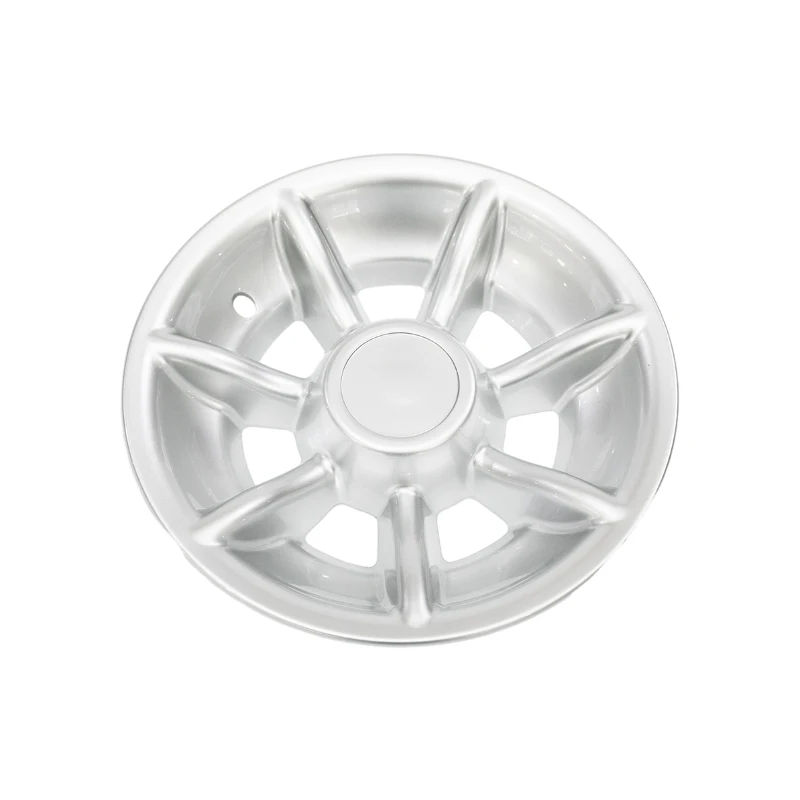
Improper wheel cover installation is more common than many operators and fleet managers realize. Whether the issue stems from using an incompatible size, skipping the retention clips, or simply not seating the cover flush against the wheel, each mistake introduces a specific set of operational risks. This article examines those risks in detail, explaining the mechanical, safety, and maintenance implications of getting wheel cover installation wrong — and why it matters for anyone managing vehicles in commercial or recreational settings.
How a Loose or Misaligned Wheel Cover Affects Vehicle Handling
Vibration and Imbalance During Operation
One of the most immediate problems caused by an improperly installed wheel cover is unwanted vibration. When a wheel cover is not seated evenly against the wheel face, it creates an asymmetric mass distribution around the hub. Even a slight imbalance at the wheel level can translate into noticeable vibration through the steering column, floorboard, or seat — particularly at higher speeds or on uneven terrain.
For golf carts and utility vehicles that operate on varied surfaces, this vibration is not just uncomfortable. It accelerates wear on wheel bearings, suspension joints, and steering linkages. Over time, the cumulative stress from a poorly fitted wheel cover can shorten the service life of components that are far more expensive to replace than the cover itself.
Operators who notice unusual vibration after a wheel cover replacement should treat it as a diagnostic signal rather than a minor annoyance. Reseating or replacing the cover is a low-cost intervention that can prevent significant downstream mechanical damage.
Steering Response and Directional Stability
A wheel cover that shifts position during operation — even fractionally — can interfere with the rotational symmetry of the wheel assembly. While the cover itself does not directly connect to the steering mechanism, the vibration and imbalance it introduces can affect how the driver perceives steering feedback. In vehicles with lighter steering systems, this can make directional control feel less precise.
In fleet environments where multiple vehicles are operated by different drivers, inconsistent wheel cover installation across units can create unpredictable handling differences between vehicles. Standardizing installation procedures is therefore not just a maintenance best practice — it is a safety consistency measure.
Detachment Risks and the Safety Hazards They Create
In-Motion Ejection of the Wheel Cover
Perhaps the most serious operational problem associated with improper wheel cover installation is the risk of the cover detaching while the vehicle is in motion. A wheel cover that has not been properly clipped, snapped, or secured to the wheel rim can work itself loose through the combined forces of rotation, vibration, and centrifugal acceleration.
When a wheel cover ejects from a moving vehicle, it becomes a projectile. On a golf course or in a warehouse environment, this poses a direct injury risk to bystanders, other operators, and property. Even at the relatively modest speeds typical of golf carts, a dislodged wheel cover can cause lacerations, trip hazards, or damage to equipment and vehicles nearby.
Beyond the immediate hazard, a detached wheel cover can also startle the driver, causing an abrupt steering correction that leads to a secondary incident. The chain of events triggered by a single improperly installed wheel cover can therefore be disproportionately serious relative to the simplicity of the original installation error.
Retention Clip Failure and Gradual Loosening
Many wheel cover designs rely on retention clips or spring-loaded tabs to maintain a secure fit against the wheel rim. If these clips are not fully engaged during installation — or if the wrong cover is forced onto an incompatible rim — the retention mechanism is compromised from the start. The cover may appear secure initially but will gradually loosen as the vehicle accumulates operating hours.
Gradual loosening is particularly insidious because it is not always visible during routine pre-operation checks. A wheel cover that feels firm when stationary may still be inadequately retained under dynamic conditions. Maintenance teams should include a firm push-and-twist test on each wheel cover as part of their standard inspection protocol to catch this issue before it becomes a safety event.
Damage to the Wheel and Hub Components
Abrasion and Surface Wear on the Wheel Face
An improperly fitted wheel cover that moves slightly relative to the wheel face will cause abrasive contact between the two surfaces. Over repeated cycles of movement and friction, this abrasion can damage the finish of the wheel, create micro-scratches that accelerate corrosion, and in some cases wear down the material at contact points. For aluminum or painted steel wheels, this kind of surface damage is both cosmetically and structurally relevant.
The damage is often not noticed until the wheel cover is removed for inspection or replacement. By that point, the wheel face may require refinishing or, in more severe cases, replacement. A wheel cover that was installed incorrectly to save a few minutes of effort can therefore result in a wheel replacement cost that is many times higher.
Hub Cap Seat Deformation
Forcing an incompatible wheel cover onto a wheel rim — particularly one that is slightly too small — can deform the seating edge of the hub cap area. This deformation makes it progressively harder to achieve a proper fit with any subsequent cover, even a correctly sized one. The rim's retention groove or lip, which is designed to hold the cover securely, can become distorted enough that it no longer provides reliable mechanical engagement.
This type of damage is common when operators attempt to reuse covers from a different vehicle model or purchase covers without verifying the exact wheel diameter and spoke pattern compatibility. Ensuring that the wheel cover matches the specific wheel specifications of the vehicle is the single most effective way to prevent this category of damage.
Maintenance and Inspection Complications
Masking Underlying Wheel and Tire Issues
A wheel cover that is improperly installed and sits unevenly can obscure visual access to the wheel and tire assembly during routine inspections. Maintenance personnel rely on clear sightlines to the wheel face, valve stem, and rim edge to identify issues such as slow leaks, rim cracks, or lug nut loosening. A misaligned or partially dislodged wheel cover can block these inspection points and delay the detection of problems that require prompt attention.
In fleet operations where vehicles are inspected quickly between shifts, a wheel cover that complicates the inspection process introduces operational risk. Standardizing on wheel cover designs that allow easy removal and reinstallation — and training staff on correct installation technique — reduces the likelihood that a cover becomes an obstacle to effective maintenance.
Increased Maintenance Frequency and Cost
Vehicles with improperly installed wheel covers tend to generate more maintenance calls related to noise, vibration, and cosmetic damage. Each of these calls consumes technician time and may require parts replacement that would not have been necessary with correct installation. Across a fleet of vehicles, the cumulative cost of these avoidable maintenance events can be substantial.
Fleet managers who invest in proper installation training and compatible wheel cover procurement consistently report lower per-vehicle maintenance costs over the operating life of their fleets. The wheel cover is a small component, but its correct installation has a measurable impact on total cost of ownership.
Operational Downtime and Fleet Reliability
Unplanned Vehicle Removal From Service
When a wheel cover detaches or causes a mechanical issue during operation, the affected vehicle typically needs to be removed from service immediately. In a golf course setting, this means a cart is unavailable for guests. In a warehouse or industrial facility, it means a utility vehicle is out of the workflow. Either scenario creates operational disruption that has a direct cost in productivity or customer experience.
The frequency of these unplanned removals is directly correlated with the quality of wheel cover installation practices. Fleets that follow manufacturer installation guidelines and use correctly sized covers experience significantly fewer wheel cover-related service interruptions than those that treat cover installation as a low-priority task.
Reputation and Compliance Considerations
For businesses that operate vehicle fleets in customer-facing environments, the appearance and condition of each vehicle reflects on the brand. A wheel cover that is visibly loose, misaligned, or missing sends a signal about the overall maintenance standards of the operation. In regulated environments, such as certain industrial facilities, vehicle safety inspections may flag improperly secured wheel covers as compliance issues.
Maintaining properly installed wheel covers on every vehicle in the fleet is therefore both a safety imperative and a professional standard. It is a visible indicator of operational discipline that customers, auditors, and safety inspectors will notice.
FAQ
How can I tell if a wheel cover has been installed incorrectly?
Signs of improper installation include visible gaps between the cover and the wheel rim, a cover that wobbles or shifts when pressed firmly by hand, unusual vibration during operation, or clicking and rattling sounds while the vehicle is moving. A correctly installed wheel cover should sit flush, feel solid, and produce no noise during normal operation.
Does wheel cover size really matter that much for installation?
Yes, size compatibility is critical. A wheel cover that is even slightly too large or too small for the wheel diameter will not engage the retention mechanism correctly. This leads to poor seating, increased risk of detachment, and potential damage to the wheel rim. Always verify the wheel diameter and confirm compatibility before purchasing or installing a replacement cover.
Can an improperly installed wheel cover damage the tire?
Indirectly, yes. A loose wheel cover can obstruct the valve stem, making it difficult to check or adjust tire pressure. It can also create vibration that accelerates uneven tire wear over time. In rare cases, a detaching cover can contact the tire sidewall during operation, though this is more of a risk at higher speeds than those typical of golf carts.
How often should wheel covers be inspected for proper fit?
Wheel covers should be checked as part of every routine pre-operation inspection, which for most fleet vehicles means daily or at the start of each shift. A quick visual check for alignment and a firm manual test for retention takes only seconds but can prevent the safety and maintenance problems associated with a loose or improperly seated wheel cover.