
 EN
EN
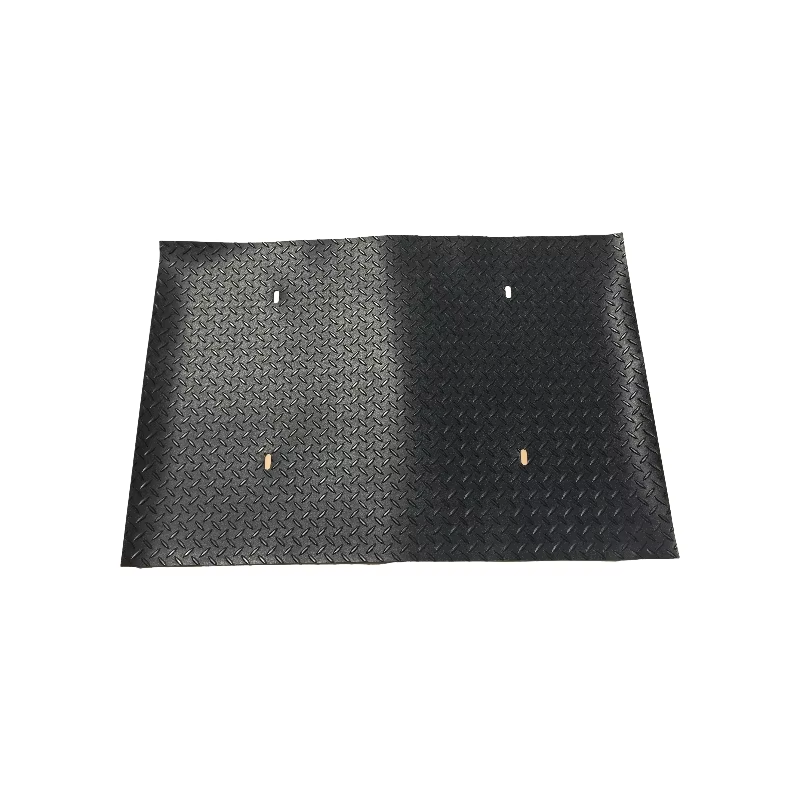
When it comes to protecting your vehicle's interior, choosing the right floor mat material makes all the difference in longevity, safety, and maintenance ease. Golf cart floor mats represent a specialized segment where durability meets functionality, demanding materials that can withstand outdoor elements, frequent use, and varying weather conditions. Understanding the characteristics of different materials helps you make an informed decision that balances cost, performance, and aesthetic appeal.
Understanding Material Properties for Vehicle Floor Protection
Rubber Material Advantages
Rubber stands as one of the most popular choices for vehicle floor protection due to its exceptional water resistance and easy cleaning properties. Natural rubber compounds provide excellent grip and flexibility, making them ideal for environments where moisture and debris are common concerns. The material's inherent elasticity allows it to conform to irregular floor surfaces while maintaining its shape over extended periods.
Synthetic rubber formulations offer enhanced durability and chemical resistance compared to natural alternatives. These engineered materials resist cracking in extreme temperatures and maintain their protective qualities even after prolonged exposure to UV radiation. Golf cart floor mats manufactured from high-grade rubber compounds demonstrate superior performance in outdoor recreational environments where traditional automotive materials might fail.
Plastic and Polymer Solutions
Thermoplastic materials provide lightweight alternatives with impressive durability characteristics for vehicle floor applications. Advanced polymer formulations resist staining, fading, and chemical degradation while offering easy installation and removal options. These materials excel in applications requiring frequent cleaning or sanitization protocols.
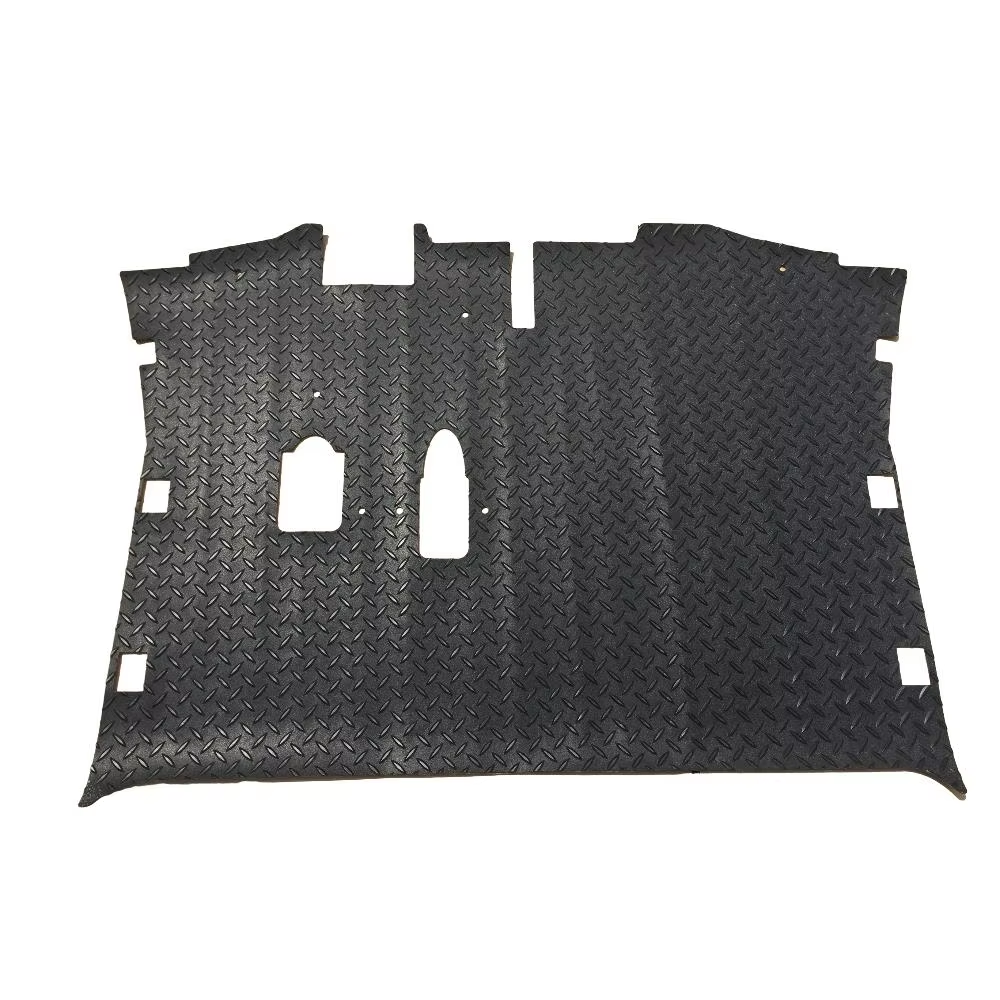
Diamond plate plastic designs combine aesthetic appeal with functional benefits, providing enhanced traction while distributing weight evenly across the floor surface. The raised pattern design facilitates drainage and prevents debris accumulation, making maintenance significantly easier. Modern plastic compounds incorporate UV stabilizers and impact modifiers to ensure long-term performance in demanding environments.
Comparing Durability Factors Across Material Types
Weather Resistance Performance
Material selection significantly impacts how well floor mats perform under various weather conditions throughout different seasons. Premium materials must withstand temperature fluctuations, moisture exposure, and UV radiation without degrading or losing their protective properties. Specialized golf cart floor mats designed for outdoor use incorporate weather-resistant compounds that maintain flexibility in cold temperatures while resisting heat damage in summer conditions.
Moisture resistance proves particularly crucial for recreational vehicles exposed to rain, snow, and humidity variations. Quality materials feature closed-cell structures that prevent water absorption, eliminating problems like mold growth, odor development, and structural deterioration. This characteristic becomes especially important for golf carts stored outdoors or used in coastal environments with high salt content.
Wear Pattern Analysis
Understanding how different materials respond to repetitive stress helps predict long-term performance and replacement needs. High-traffic areas experience concentrated wear that can lead to premature failure if the material lacks adequate durability characteristics. Proper material selection considers foot traffic patterns, load distribution, and frequency of use to ensure optimal performance throughout the product lifecycle.
Abrasion resistance varies significantly between material types, with some compounds demonstrating superior performance under harsh conditions. Testing protocols evaluate how materials respond to repeated contact with various debris types, including sand, gravel, and organic matter commonly encountered in outdoor recreational settings. Premium materials maintain their surface integrity and protective capabilities even after extensive use cycles.
Installation and Maintenance Considerations
Fit and Compatibility Requirements
Proper fit ensures maximum protection while preventing safety hazards associated with loose or improperly secured floor mats. Material flexibility affects installation ease and long-term fit retention, with some compounds maintaining their shape better than others over time. Custom-fit options provide superior coverage compared to universal designs, particularly for specialized applications like golf carts with unique floor configurations.
Thickness considerations balance protection levels with clearance requirements, ensuring adequate foot space while providing effective barrier properties. Thicker materials generally offer better protection but may interfere with pedal operation or door closure in confined spaces. Material density affects both protective capability and installation compatibility, requiring careful evaluation of specific vehicle requirements.
Cleaning and Care Protocols
Maintenance requirements vary considerably between different material types, affecting long-term ownership costs and convenience factors. Some materials require specialized cleaning products or techniques to maintain their appearance and performance characteristics. Regular maintenance schedules help preserve material properties and extend service life significantly.
Chemical compatibility becomes important when selecting cleaning products that won't damage or degrade the mat material over time. Certain compounds react adversely to common cleaning agents, leading to discoloration, brittleness, or structural failure. Understanding proper care procedures ensures optimal performance and appearance retention throughout the product's operational lifetime.
Cost-Benefit Analysis for Different Applications
Initial Investment Considerations
Material costs vary significantly based on compound quality, manufacturing processes, and design complexity factors. Premium materials command higher initial prices but often provide superior long-term value through extended service life and reduced replacement frequency. Budget-conscious consumers must balance upfront costs against long-term performance expectations and replacement cycles.
Manufacturing processes affect both material properties and final product costs, with advanced techniques producing superior performance characteristics at premium price points. Injection molding, compression forming, and die-cutting processes each contribute different benefits and cost structures to the final product. Understanding these relationships helps consumers make informed decisions based on their specific requirements and budget constraints.
Long-term Value Assessment
Lifecycle cost analysis provides more accurate comparisons between different material options by considering replacement frequency, maintenance requirements, and performance degradation over time. Premium materials often demonstrate superior cost-effectiveness despite higher initial investments through extended service intervals and reduced maintenance needs.
Warranty coverage and manufacturer support affect overall value propositions significantly, particularly for commercial or high-use applications where reliability becomes critical. Comprehensive warranty programs indicate manufacturer confidence in material performance while providing protection against premature failure or defects. Professional applications may justify premium material selections based on reduced downtime and replacement costs alone.
FAQ
What makes rubber superior to plastic for outdoor vehicle applications
Rubber materials generally offer better flexibility and weather resistance compared to rigid plastic alternatives, making them ideal for outdoor environments with temperature variations. The material's ability to maintain elasticity in cold conditions prevents cracking, while its natural water resistance properties provide excellent protection against moisture damage. However, modern plastic compounds have significantly improved and may offer advantages in specific applications requiring lightweight solutions or enhanced chemical resistance.
How do diamond plate patterns improve floor mat performance
Diamond plate surface patterns enhance traction while providing effective drainage channels that prevent water and debris accumulation. The raised pattern design distributes weight more evenly across the mat surface, reducing concentrated wear patterns and extending overall service life. Additionally, the textured surface facilitates easier cleaning by preventing debris from adhering to smooth surfaces, making maintenance more efficient and effective.
Are custom-fit mats worth the additional cost over universal options
Custom-fit mats typically provide superior coverage and protection compared to universal alternatives, justifying the additional investment for most applications. Precise fitting eliminates gaps where debris can accumulate while ensuring proper clearance for pedals and controls. The improved fit also enhances safety by preventing mat movement during use, reducing the risk of interference with vehicle operation or passenger safety.
What maintenance practices extend floor mat service life significantly
Regular cleaning using appropriate products prevents debris buildup and chemical damage that can degrade material properties over time. Proper storage during extended non-use periods protects mats from UV exposure and extreme temperatures that accelerate aging processes. Periodic inspection for wear patterns or damage allows for timely replacement before safety concerns develop, while rotation practices help distribute wear more evenly across the mat surface.