
 EN
EN
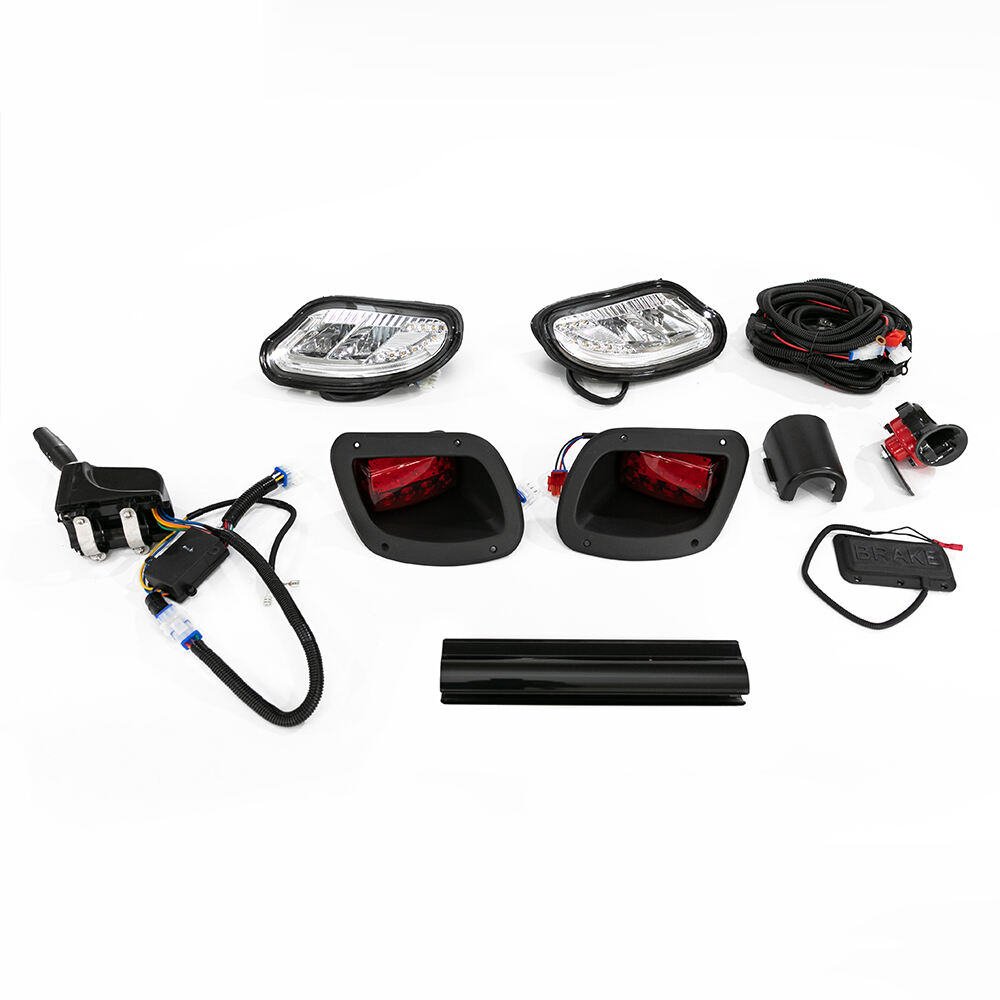
When engineers and designers begin integrating lighting components into automotive and utility vehicle platforms, one of the most frequently underestimated challenges involves correctly interpreting and applying LED light specifications. From voltage tolerances to beam angle calculations, the gap between published datasheet values and real-world application performance can be significant. Misreading these specifications early in the design phase often leads to costly redesigns, substandard performance, and safety concerns that surface only after deployment.
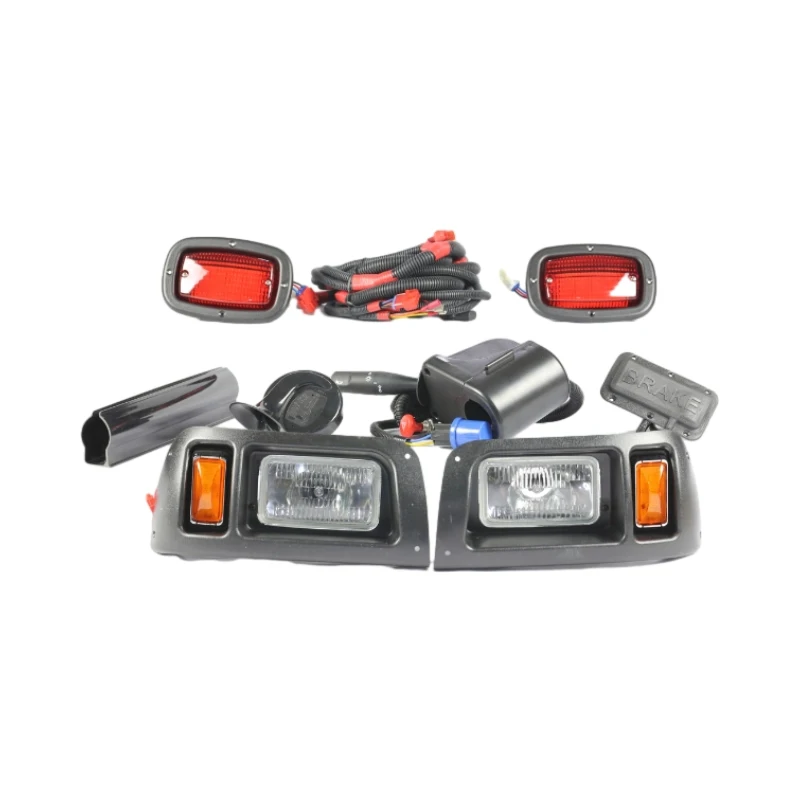
The short answer is yes — LED light specifications are very often misjudged in automotive system design, and this pattern repeats across vehicle categories including golf carts, off-road utility vehicles, and commercial fleet platforms. Understanding exactly where these misjudgments occur, why they happen, and how to correct them is essential for engineers aiming to deliver reliable, regulation-compliant lighting systems. This article breaks down the most common points of specification error and explains the technical reasoning behind each one.
The Most Common Specification Errors in LED Light Integration
Misinterpreting Lumen Output in Real-World Conditions
One of the most persistent misjudgments in LED light specification involves lumen ratings. Manufacturers typically report lumen output under controlled laboratory conditions — often at a specific drive current, ambient temperature, and without any housing or lens assembly installed. Once the LED light is mounted inside a sealed enclosure on a vehicle, thermal buildup reduces output significantly. Engineers who take the raw lumen figure at face value often find that their installed system delivers considerably less illumination than expected.
This issue is compounded by the fact that different manufacturers measure lumen output at different points in the optical chain. Some report raw lumens at the chip level, while others report effective lumens after accounting for optical losses through diffusers or reflectors. When comparing specifications across suppliers, designers must confirm which measurement standard applies. Using mismatched figures to compare two LED light products can lead to selecting an underperforming unit for a high-demand application such as flood lighting on a work vehicle or off-road cart.
Practical system design should always apply a thermal derating factor to published lumen figures. For enclosures with limited ventilation, a 15 to 25 percent derating is commonly appropriate. This approach ensures that the LED light specification selected actually meets the illumination target after accounting for real operating conditions.
Voltage Tolerance and Input Range Misalignment
Automotive systems, particularly in golf carts and low-speed electric vehicles, do not always maintain perfectly stable voltage. Battery pack voltage can vary considerably depending on state of charge, load, and temperature. A LED light rated for 12V operation may encounter input voltages ranging from 10V to 14.5V in a standard lead-acid system. Designers who select components based solely on nominal voltage ratings without reviewing the full input range tolerance may experience premature driver failure or flickering under load conditions.
This oversight is particularly damaging in multi-zone lighting systems where multiple LED light units share a common power circuit. Voltage drops along wiring harnesses add another layer of variability. A unit installed close to the battery may receive adequate voltage while one at the far end of the harness operates near the lower limit of the specification. Reviewing minimum and maximum input voltage tolerances — not just the nominal value — is an essential step that is frequently skipped under schedule pressure.
Engineers designing for golf cart or off-road applications should prioritize LED light units with wide-input drivers that accommodate the full anticipated voltage range with margin on both ends. This eliminates a significant source of field failures and customer complaints that are difficult to diagnose after installation.
Thermal Management Assumptions That Undermine Performance
Underestimating Junction Temperature Effects
The performance and longevity of any LED light is directly tied to junction temperature — the operating temperature at the semiconductor level within the diode. Specifications for luminous flux, color consistency, and rated lifespan are all published at a specific junction temperature, typically 25 degrees Celsius. In an automotive application, especially in a compact housing mounted near engine components or in direct sunlight, junction temperatures can climb far above this benchmark.
When junction temperature rises by 30 to 50 degrees above the rated condition, a LED light may deliver up to 20 percent less output and experience a substantially shortened operational lifespan. Designs that fail to account for this degradation often produce lighting systems that pass initial quality checks but degrade rapidly under daily operating conditions. This is especially relevant for work lights and flood lights on utility vehicles that operate for extended hours in warm climates.
Addressing this issue requires more than selecting a LED light with a high thermal rating. The housing design, mounting surface thermal conductivity, and ambient airflow around the fixture all contribute to the thermal equilibrium reached during operation. A system-level thermal analysis, even a simplified one, should be part of any serious LED light integration project.
Ignoring Ingress Protection Ratings Relative to Mounting Location
Ingress protection ratings define how well a LED light resists the entry of dust and moisture. A unit rated IP65 offers strong water jet resistance, while an IP67 unit can withstand temporary submersion. In automotive applications, mounting location determines the severity of environmental exposure. A LED light installed beneath a vehicle frame or at the front bumper of an off-road cart will experience mud, water spray, and vibration levels far beyond what a rooftop-mounted unit would encounter.
Designers frequently misjudge this by applying a single IP rating standard across all fixture positions in a vehicle build. The result is that some units are over-specified and unnecessarily expensive, while others are under-specified and fail prematurely. Matching the LED light ingress protection level precisely to its mounting location is a straightforward optimization that protects both budget and reliability outcomes.
For golf carts and utility vehicles operating in mixed terrain, a minimum IP67 rating is generally advisable for any LED light positioned near the ground plane or in areas exposed to regular washing. Higher-mounted accent or work lights may be adequately served by IP65 units, freeing budget for critical positions that demand superior sealing.
Beam Angle and Photometric Distribution Misjudgments
Confusing Flood and Spot Designations With Actual Beam Geometry
Marketing terminology such as 'flood beam' or 'spot beam' varies considerably between manufacturers, and relying on these labels without reviewing actual photometric data is a common design error. A LED light described as a flood unit by one supplier may have a 60-degree beam angle while another supplier's flood designation covers 120 degrees. Without normalizing to a consistent photometric standard, system designers cannot make valid comparisons or accurate coverage calculations.
For automotive lighting systems, particularly in work vehicles and golf carts, the distinction matters practically. A wide-angle LED light positioned correctly can illuminate an entire work zone or pathway without creating unacceptable glare for operators or bystanders. A mistakenly selected narrow unit might create a hot spot directly in front of the vehicle while leaving peripheral areas in shadow, reducing safety rather than improving it.
Designers should request IES photometric files from suppliers when available and verify beam angle specifications using the 50 percent peak intensity threshold, which is the industry-standard definition of beam spread. This eliminates ambiguity and enables accurate simulation of how a LED light will perform in its intended application before hardware is committed.
Overlooking Color Temperature Impact on Perceived Visibility
Color temperature is a specification that receives less attention than lumen output or wattage, but it significantly influences how useful a LED light is in practical automotive applications. Color temperature affects contrast perception, depth judgment, and eye fatigue during extended use. A unit rated at 6000K produces a cooler, bluer light that may appear bright indoors or in controlled settings but can reduce contrast in dusty, foggy, or overcast outdoor conditions.
For golf cart path lighting or off-road work illumination, a LED light in the 4000K to 5000K range often delivers better practical visibility than a maximally cool white unit, even when raw lumen output is identical. This nuance is frequently lost when purchasing decisions are made based solely on wattage and lumen figures. Including color temperature as a deliberate specification criterion improves end-user satisfaction without increasing cost.
System designers who source LED light units for specialty vehicle builds should test candidate products in conditions representative of actual end-use environments. A brief field evaluation under realistic conditions will surface color temperature suitability far more reliably than datasheet review alone.
Electrical Compatibility and EMC Considerations
Neglecting EMC Compliance in Shared Electrical Systems
Automotive-grade LED light drivers generate electrical noise that can interfere with other vehicle electronics if not properly filtered. In golf carts and utility vehicles equipped with GPS units, speed controllers, or communication systems, electromagnetic compatibility is a real concern. Engineers who select LED light components purely on optical and mechanical criteria without reviewing EMC certifications may introduce interference problems that are difficult to trace after the vehicle is assembled.
A properly designed LED light driver will include filtering stages that limit conducted and radiated emissions to levels compliant with relevant standards. Verifying compliance certifications before finalizing component selection is a straightforward step that prevents significant diagnostic effort later in the development process. This is especially important in platforms where lighting upgrades are being retrofitted into existing vehicle architectures with legacy electronics.
Grounding quality also plays a critical role in how a LED light performs within a shared electrical system. Poor chassis ground connections can create ground loops that introduce noise into the lighting circuit itself, causing flickering or inconsistent brightness. Ensuring that each LED light fixture has a dedicated, low-impedance ground path is a wiring practice that pays dividends in both reliability and EMC performance.
Wiring Gauge and Circuit Protection Undersizing
Inrush current at startup is a characteristic of LED light drivers that is often overlooked when specifying wire gauge and fuse ratings. At the moment of switch-on, a LED light driver may draw a current pulse several times higher than its steady-state operating current. If fuses are sized based only on running current, nuisance tripping can occur during startup, particularly in cold temperatures when inrush is more pronounced.
Wiring gauge must also account for the total circuit length and the acceptable voltage drop for the LED light units connected. As previously discussed, voltage sensitivity in LED drivers means that undersized wiring does not just waste energy — it actively degrades performance and may trigger over-current protection within the driver itself, causing premature shutdown. A proper wiring audit as part of the system design phase is essential for any vehicle build incorporating multiple LED light fixtures.
FAQ
Why do LED light specifications differ so much between manufacturers?
Different manufacturers test and report LED light specifications under different conditions and at different points in the optical assembly. Some report chip-level performance while others report system-level output after optical losses. Additionally, testing temperatures, drive currents, and measurement equipment calibration all vary. This is why cross-referencing specifications requires understanding the measurement methodology, not just the headline number.
How can I ensure the LED light I select will perform correctly in my golf cart or utility vehicle?
Start by identifying the full operating voltage range of your vehicle's electrical system under all load and charge conditions. Then select a LED light with a rated input range that comfortably exceeds those limits on both ends. Verify ingress protection for the specific mounting location, confirm beam angle using photometric data rather than marketing labels, and apply a thermal derating factor to published lumen output when calculating coverage requirements.
Is wattage a reliable indicator of LED light brightness?
Wattage indicates power consumption, not brightness. A LED light with higher wattage will not necessarily be brighter than a lower-wattage unit from a more efficient design. Lumen output, after applying appropriate derating for thermal and optical losses, is the correct specification to use when assessing brightness. Color temperature also affects perceived brightness in real operating environments.
What is the most important specification to check when comparing LED light options for off-road applications?
For off-road and utility vehicle applications, ingress protection rating and thermal management design are arguably the most critical specifications after confirming adequate lumen output. A LED light that is bright under ideal conditions but fails prematurely due to water ingress or thermal stress delivers poor value regardless of its initial performance. Confirming IP67 or higher sealing and reviewing the housing material and heat dissipation design will significantly improve long-term reliability in demanding off-road environments.
Table of Contents
- The Most Common Specification Errors in LED Light Integration
- Thermal Management Assumptions That Undermine Performance
- Beam Angle and Photometric Distribution Misjudgments
- Electrical Compatibility and EMC Considerations
-
FAQ
- Why do LED light specifications differ so much between manufacturers?
- How can I ensure the LED light I select will perform correctly in my golf cart or utility vehicle?
- Is wattage a reliable indicator of LED light brightness?
- What is the most important specification to check when comparing LED light options for off-road applications?