
 EN
EN
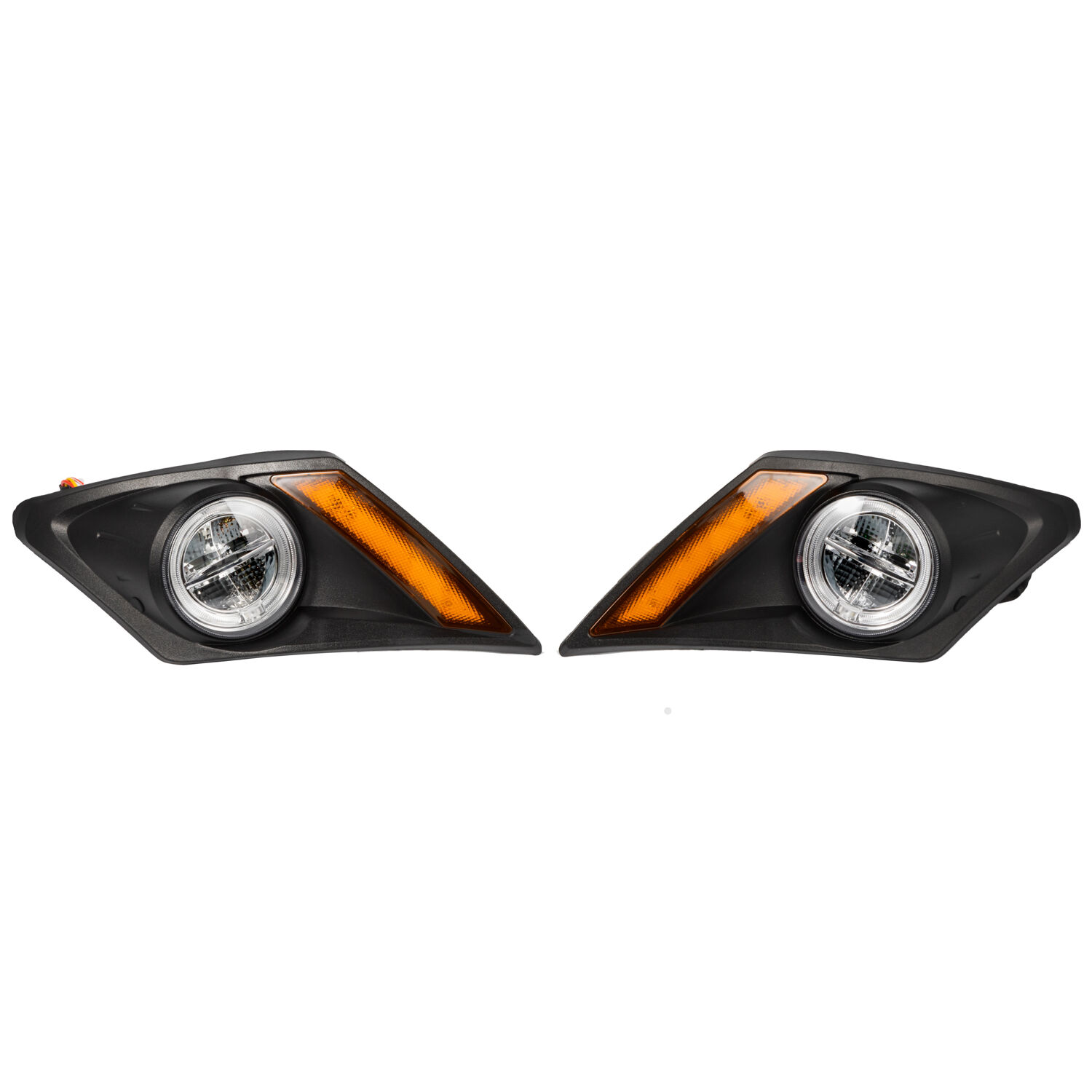
The standards governing LED light performance in vehicle applications are shifting faster than many procurement teams and fleet operators realize. What was considered adequate output, thermal tolerance, or beam precision just a few years ago is increasingly falling short of what modern vehicle platforms demand. Understanding why these requirements are evolving is essential for anyone specifying, sourcing, or integrating lighting solutions across automotive, off-road, commercial, or specialty vehicle segments.
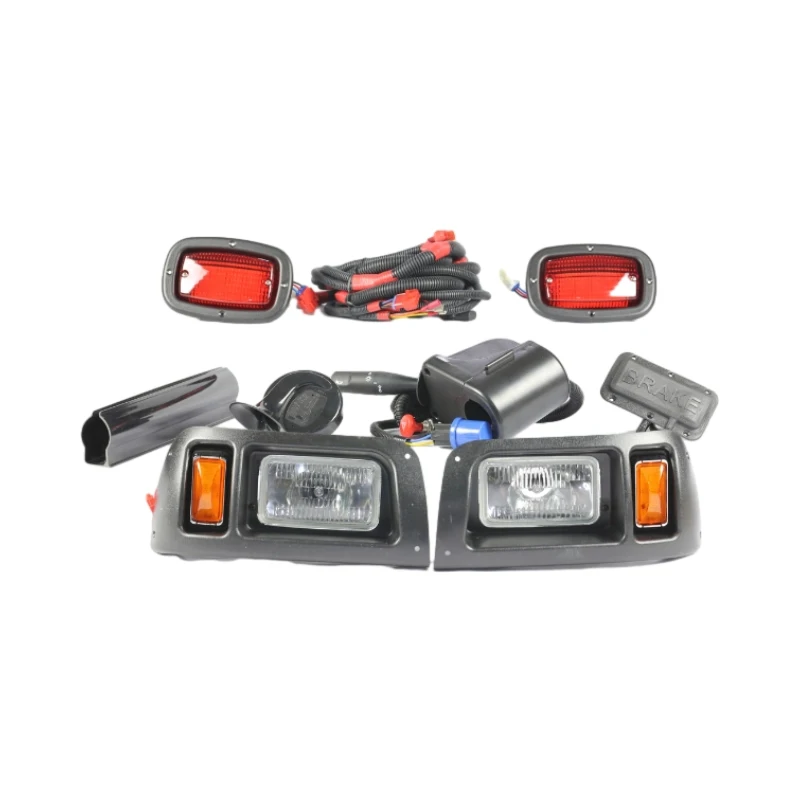
The LED light is no longer a simple component swap for a halogen or incandescent source. It has become a performance-critical system element that must integrate with vehicle electronics, satisfy regulatory frameworks, endure harsh operating environments, and deliver consistent output across a wide range of conditions. The reasons behind this transformation are rooted in technology advancement, regulatory pressure, application diversification, and the rising expectations of end users who depend on reliable illumination in demanding real-world scenarios.
The Expanding Role of LED Light in Modern Vehicle Platforms
From Auxiliary Component to System-Critical Element
For much of the early adoption period, the LED light was treated as a direct replacement for older light sources, evaluated primarily on lumen output and energy savings. That framing has changed significantly. Today, vehicle designers and engineers treat the LED light as a functional system component that must be specified with the same rigor applied to braking systems or powertrain electronics.
This shift is visible across vehicle categories. In golf carts and utility vehicles, the LED light must perform reliably under low-voltage DC systems while surviving vibration, moisture, and temperature swings. In commercial off-road equipment, it must maintain beam integrity under sustained high-load operation. In passenger vehicles, it must meet photometric standards that govern glare, cutoff lines, and color temperature with increasing precision.
The consequence of this elevated role is that performance requirements have become more granular, more measurable, and more strictly enforced at the point of specification. A LED light that passes a basic lumen test but fails on thermal management or beam uniformity is no longer considered acceptable in most professional vehicle applications.
Application Diversification Driving Specification Complexity
One of the clearest drivers of changing LED light requirements is the sheer diversification of vehicle applications. The same core technology is now deployed in passenger cars, agricultural machinery, marine vessels, golf carts, construction equipment, emergency vehicles, and autonomous platforms. Each of these environments imposes a distinct set of performance demands.
A LED light designed for a golf cart must handle the specific voltage characteristics of a 48V battery system, resist corrosion in outdoor environments, and deliver adequate forward illumination without blinding other users on shared paths. A LED light used in a flood configuration on off-road work equipment must sustain high lumen output over extended duty cycles without thermal degradation affecting driver visibility or component lifespan.
This diversification means that generic, one-size-fits-all LED light specifications are no longer sufficient. Procurement teams and engineers must now evaluate LED light solutions against application-specific criteria rather than relying on broad category ratings. The result is a more demanding and more technically sophisticated sourcing process.
Regulatory and Safety Standards Raising the Performance Bar
How Compliance Frameworks Are Reshaping LED Light Specifications
Regulatory bodies across major markets have progressively tightened the standards that govern LED light performance in vehicle contexts. These frameworks address photometric output, color rendering, electromagnetic compatibility, and environmental durability. As these standards are updated, they effectively raise the minimum performance threshold that any compliant LED light must meet.
In many jurisdictions, the LED light used in road-legal vehicles must now satisfy specific beam pattern requirements that were not previously enforced for aftermarket or specialty applications. This includes defined cutoff angles to prevent glare for oncoming traffic, minimum illuminance levels at specified distances, and color temperature ranges that support driver visibility without causing visual fatigue.
For off-road and specialty vehicles such as golf carts, the regulatory picture is different but equally important. While these vehicles may not be subject to the same road-use photometric standards, they are increasingly governed by workplace safety regulations, facility operating rules, and insurance requirements that specify minimum LED light performance levels. Operators who ignore these requirements face liability exposure and operational risk.
Electromagnetic Compatibility and Electrical Integration Requirements
Modern vehicles are densely packed with electronic systems, and the LED light must coexist with all of them without causing interference. Electromagnetic compatibility requirements for LED light products have become significantly more stringent as vehicle electronics have grown more sensitive and more interconnected.
A LED light that introduces electrical noise into a vehicle's CAN bus or interferes with sensor systems is not just a nuisance — it can create genuine safety hazards. This has pushed LED light manufacturers to invest in better driver circuit design, improved shielding, and more robust filtering to meet the EMC requirements that vehicle integrators now demand as standard.
For vehicles operating on battery-based electrical systems, such as electric golf carts or hybrid utility vehicles, the LED light must also demonstrate stable performance across a range of input voltages. Battery voltage fluctuates during charge and discharge cycles, and a LED light that flickers, dims, or fails under these conditions is unacceptable in professional applications.
Thermal Management as a Core Performance Requirement
Why Heat Remains the Primary Challenge for LED Light Longevity
The LED light generates heat at the junction level, and how that heat is managed determines both the immediate output quality and the long-term reliability of the product. As vehicle applications push LED light products toward higher lumen densities and longer continuous operating times, thermal management has moved from a secondary consideration to a primary performance requirement.
Poor thermal management in a LED light leads to a well-documented phenomenon called lumen depreciation, where output drops progressively as junction temperature rises. In a work light or flood light application on a vehicle operating for extended shifts, this means the driver or operator experiences progressively worse visibility over the course of a working day — a direct safety and productivity concern.
Vehicle-mounted LED light products are now routinely evaluated on their thermal resistance characteristics, the quality of their heat sink design, and their rated lumen maintenance at specific operating temperatures. Buyers who previously selected LED light products based on initial lumen claims are increasingly demanding data on maintained output after hundreds or thousands of hours of operation.
Ambient Temperature Extremes in Vehicle Operating Environments
Vehicle applications expose the LED light to ambient temperature extremes that laboratory testing does not always replicate. A LED light mounted on outdoor equipment in a desert environment may face ambient temperatures exceeding 50 degrees Celsius, while the same product category used in cold-climate forestry or mining applications must start and perform reliably at temperatures well below freezing.
These real-world conditions have driven changes in how LED light products are rated and tested. Ingress protection ratings, thermal cycling test protocols, and cold-start performance specifications have all become more prominent in procurement requirements. A LED light that performs well in a controlled environment but degrades rapidly under field conditions creates warranty claims, operational disruptions, and reputational risk for the integrator or fleet operator.
The practical implication is that sourcing a LED light for a vehicle application now requires a careful review of the operating temperature range, the thermal design approach, and the test data that supports the manufacturer's performance claims. Specifications that lack this detail should be treated with caution.
Optical Precision and Beam Engineering in Vehicle LED Light Design
The Shift Toward Application-Specific Beam Patterns
Early LED light products for vehicles were often designed with a single beam pattern intended to approximate the output of the halogen or incandescent source they replaced. That approach is no longer adequate for applications where beam shape, intensity distribution, and cutoff precision directly affect safety and usability.
Modern vehicle applications require LED light products with beam patterns engineered for specific tasks. A flood LED light used on a golf cart or utility vehicle needs wide, even illumination that covers the path ahead without creating hot spots or dark zones. A work LED light on construction equipment may need a combination of spot and flood distribution to support both near-field task lighting and longer-range visibility.
Achieving these results requires investment in optical design — secondary lenses, reflector geometry, and LED array configuration all contribute to the final beam pattern. Buyers who evaluate LED light products purely on raw lumen output without examining beam distribution data are likely to encounter performance gaps in real-world use.
Color Temperature and Color Rendering in Practical Vehicle Contexts
The color temperature of a LED light affects how drivers and operators perceive their environment, and this has become a more carefully specified parameter in vehicle applications. Color temperatures in the 5000K to 6000K range are commonly preferred for outdoor work and off-road applications because they provide high contrast and good color differentiation in natural environments.
Color rendering index has also gained attention in vehicle LED light specifications, particularly for applications where accurate color perception affects safety or task performance. A LED light with poor color rendering can make it difficult to distinguish between similar colors in low-light conditions — a relevant concern for operators working with color-coded equipment, materials, or signage.
As vehicle operators and fleet managers become more sophisticated in their understanding of LED light performance parameters, color quality specifications are increasingly included in procurement requirements alongside lumen output and energy efficiency data.
FAQ
Why are LED light performance requirements stricter now than they were five years ago?
The combination of more demanding vehicle platforms, tighter regulatory standards, and more sophisticated end-user expectations has raised the bar for LED light performance across all vehicle categories. As vehicles incorporate more electronics and operate in more diverse environments, the LED light must meet higher standards for thermal management, optical precision, electrical compatibility, and durability to remain fit for purpose.
What makes LED light requirements different for golf carts compared to road vehicles?
Golf carts and similar utility vehicles operate on low-voltage battery systems and are used in environments ranging from golf courses to industrial facilities. The LED light for these applications must be optimized for stable performance across variable battery voltages, resistance to outdoor environmental exposure, and beam patterns suited to low-speed shared-path use. Road vehicle LED light requirements focus more heavily on photometric compliance, glare control, and integration with vehicle electronics systems.
How does thermal management affect the long-term performance of a vehicle LED light?
Thermal management directly determines how well a LED light maintains its output over time. Poor heat dissipation causes junction temperatures to rise, which accelerates lumen depreciation and shortens the operational lifespan of the product. In vehicle applications with extended duty cycles, a LED light with inadequate thermal design will deliver noticeably reduced output within a relatively short period, creating safety and productivity issues for the operator.
What should buyers look for when sourcing a LED light for off-road or specialty vehicle use?
Buyers should evaluate the LED light against the specific operating conditions of their application, including input voltage range, ambient temperature extremes, ingress protection rating, beam pattern suitability, and lumen maintenance data. Compliance with relevant EMC and safety standards is also important, particularly for vehicles that operate alongside sensitive electronic systems. Relying solely on initial lumen claims without reviewing thermal and durability data is a common sourcing mistake that leads to premature product failure in the field.
Table of Contents
- The Expanding Role of LED Light in Modern Vehicle Platforms
- Regulatory and Safety Standards Raising the Performance Bar
- Thermal Management as a Core Performance Requirement
- Optical Precision and Beam Engineering in Vehicle LED Light Design
-
FAQ
- Why are LED light performance requirements stricter now than they were five years ago?
- What makes LED light requirements different for golf carts compared to road vehicles?
- How does thermal management affect the long-term performance of a vehicle LED light?
- What should buyers look for when sourcing a LED light for off-road or specialty vehicle use?