 EN
EN
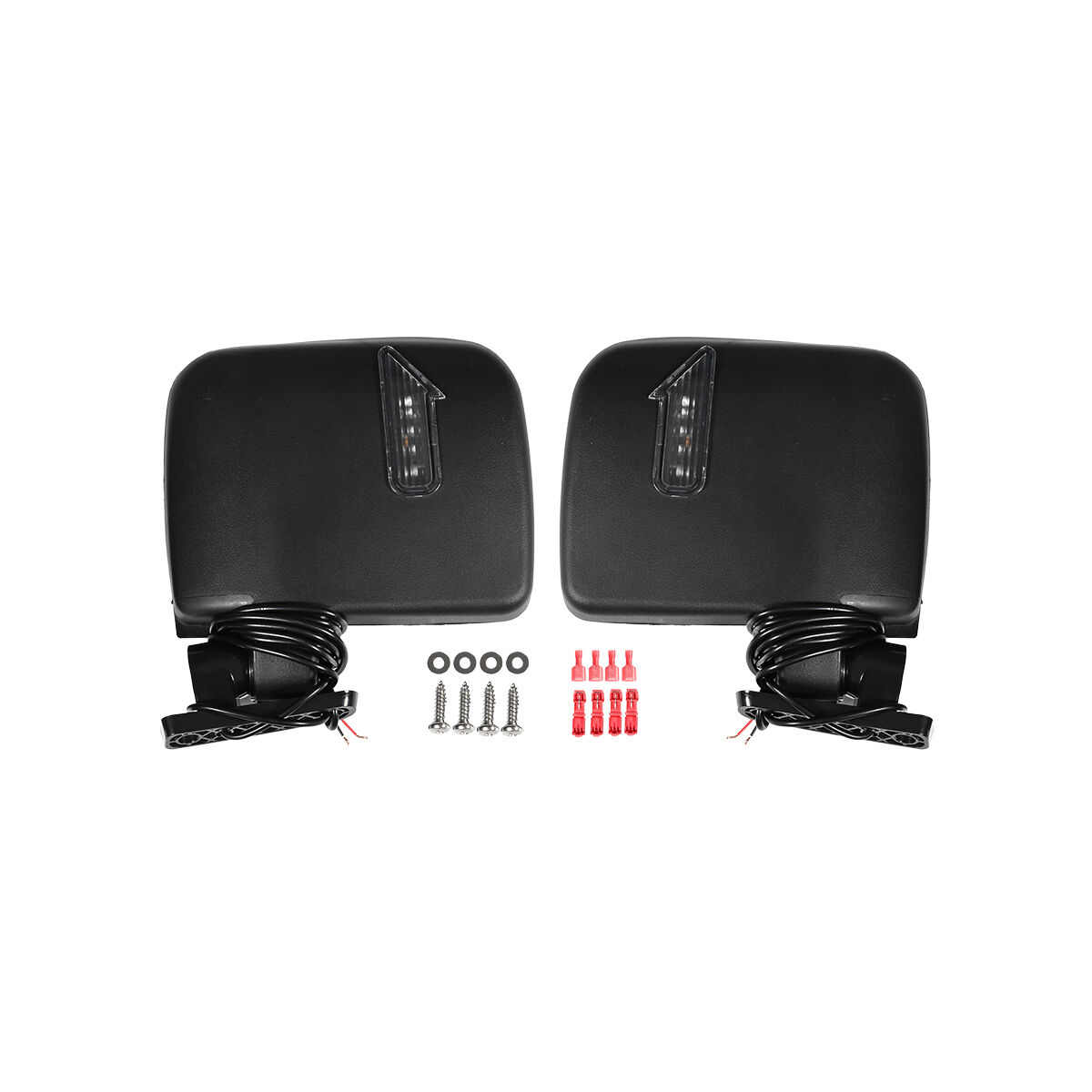
Modern transportation environments demand exceptional driver awareness, particularly when navigating through complex traffic scenarios where vehicles, pedestrians, and obstacles converge from multiple directions. The effectiveness of side mirror design plays a crucial role in expanding a driver's field of vision and reducing dangerous blind spots that can lead to accidents. Understanding how thoughtful mirror engineering enhances spatial awareness helps drivers make informed decisions about vehicle safety features and equipment upgrades.
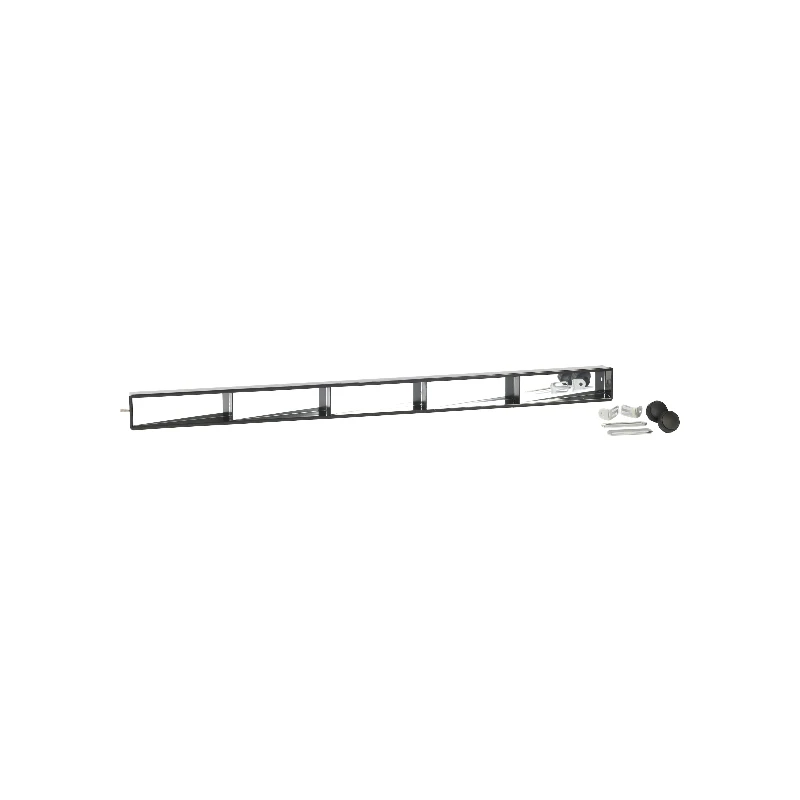
The relationship between mirror configuration and driver performance becomes especially critical in challenging traffic conditions where rapid decision-making determines safety outcomes. Effective side mirror design incorporates multiple visual perspectives, optimal positioning angles, and enhanced surface treatments that collectively improve situational awareness. These design elements work together to provide drivers with comprehensive visibility coverage that traditional single-surface mirrors cannot achieve.
Visual Coverage Enhancement Through Mirror Configuration
Multi-Panel Mirror Systems
Advanced side mirror design utilizes multiple mirror panels to eliminate traditional blind spots that single-surface mirrors leave uncovered. These multi-panel configurations typically incorporate a primary flat mirror for distance judgment alongside convex sections that provide wider angular coverage. The strategic arrangement of these surfaces ensures that drivers can monitor adjacent lanes, approaching vehicles, and nearby obstacles without requiring excessive head movement or body repositioning.
The effectiveness of multi-panel systems stems from their ability to compress wide viewing angles into a compact mirror housing while maintaining image clarity across different zones. Each panel serves a specific purpose in the overall visibility strategy, with flat sections providing accurate distance perception for parking and lane changes, while curved sections capture peripheral movement and approaching traffic. This comprehensive approach to side mirror design significantly reduces the need for drivers to rely on shoulder checks and head turns that momentarily divert attention from forward traffic conditions.
Angular Optimization for Maximum Coverage
Proper angular positioning represents a fundamental aspect of effective side mirror design that directly influences driver awareness capabilities. The optimal mirror angle balances maximum field coverage with minimal image distortion, ensuring that critical traffic information remains clearly visible without creating confusion about vehicle positions and speeds. Professional mirror positioning accounts for average driver height, seat positioning, and typical viewing patterns to create standardized angles that work effectively across diverse user populations.
The science behind angular optimization considers both horizontal and vertical viewing planes to capture traffic approaching from various elevations and lateral positions. This three-dimensional approach to mirror positioning ensures coverage of motorcycle traffic, large commercial vehicles, and standard passenger cars that operate at different heights within traffic lanes. Modern side mirror design incorporates adjustability mechanisms that allow fine-tuning of these angles to accommodate individual driver preferences while maintaining overall coverage effectiveness.
Surface Technology and Image Quality Enhancement
Reflective Coating Advances
Contemporary side mirror design benefits significantly from advanced reflective coating technologies that improve image brightness, contrast, and clarity under various lighting conditions. These specialized coatings enhance mirror performance during dawn and dusk periods when traditional mirrors struggle with low-light visibility challenges. High-quality reflective surfaces also reduce glare from following vehicle headlights, allowing drivers to maintain clear awareness of traffic patterns without experiencing vision disruption.
Anti-fog and water-repellent coatings represent additional surface technologies that maintain mirror functionality during adverse weather conditions. These treatments prevent moisture accumulation that can obscure critical traffic information during rain, snow, or high-humidity conditions. The integration of these surface enhancements into side mirror design ensures consistent performance across seasonal weather variations and diverse geographic operating environments.
Curvature Engineering for Distortion Control
The curvature engineering aspect of side mirror design requires precise mathematical calculations to balance field-of-view expansion with acceptable image distortion levels. Convex mirror sections must provide wide-angle coverage while maintaining sufficient image clarity for accurate distance and speed assessment of approaching vehicles. This engineering challenge involves optimizing curve radius, surface transitions, and edge treatments to create seamless visibility zones.
Advanced curvature design also considers the psychological adaptation period that drivers experience when transitioning to enhanced mirror systems. Gradual curvature changes and clearly defined transition zones help drivers quickly learn to interpret the expanded visual information without confusion about vehicle positions. This human factors approach to side mirror design ensures that technological improvements translate into practical safety benefits rather than creating new sources of driver distraction or uncertainty.
Integration with Vehicle Safety Systems
Electronic Enhancement Integration
Modern side mirror design increasingly incorporates electronic enhancement features that complement passive reflection capabilities with active safety technologies. Turn signal indicators integrated into mirror housings provide additional visibility for lane change intentions, while heating elements maintain clear surfaces during cold weather operation. These electronic features work synergistically with optimized mirror geometry to create comprehensive awareness enhancement systems.
Camera integration represents an emerging trend in side mirror design that combines traditional reflection with digital image capture and display technologies. These hybrid systems can provide enhanced night vision capabilities, automatic brightness adjustment, and even augmented reality overlays that highlight potential hazards or provide navigation information. The integration of electronic features requires careful consideration of power consumption, reliability, and user interface design to ensure these enhancements improve rather than complicate the driving experience.
Mounting and Stability Engineering
The mounting system design directly affects mirror stability and vibration resistance, which are crucial factors for maintaining clear images during vehicle operation. Robust mounting mechanisms prevent mirror movement that can blur reflected images or change viewing angles during acceleration, braking, or cornering maneuvers. High-quality mounting hardware also withstands environmental stresses including wind loading, temperature cycling, and road vibration exposure.
Adjustability mechanisms within the mounting system allow precise positioning optimization while maintaining secure retention under operating stresses. Quick-release features enable easy mirror removal for storage or transportation while ensuring reliable reattachment that maintains previous positioning settings. This balance between adjustability and stability represents a key engineering challenge in side mirror design that affects both immediate usability and long-term performance reliability.
Practical Applications in Diverse Traffic Environments
Urban Traffic Navigation
Urban traffic environments present unique challenges for side mirror design due to the presence of multiple vehicle types, pedestrian activity, and complex intersection geometries. Effective mirror systems must provide clear visibility of bicycle traffic, motorcycle operators, and pedestrians who may approach from unexpected angles or positions. The compact nature of urban traffic requires mirror configurations that can detect small movements and provide early warning of developing traffic conflicts.
Parking and maneuvering situations in urban environments also benefit from specialized side mirror design features that aid in close-quarters navigation. Wide-angle coverage helps drivers detect curbs, parking barriers, and adjacent vehicles during backing maneuvers, while distance-accurate flat sections enable precise gap assessment for parallel parking execution. These urban-focused design elements ensure that mirror systems provide practical assistance for the most challenging aspects of city driving.
Highway and High-Speed Applications
Highway driving conditions require side mirror design optimizations that account for high relative speeds and extended following distances common in expressway traffic. Mirror systems must provide clear detection of rapidly approaching vehicles while maintaining accurate distance perception for safe lane changing decisions. The aerodynamic considerations of highway speeds also influence mirror housing design to minimize wind noise and maintain stability at elevated velocities.
Long-distance visibility becomes particularly important in highway applications where vehicles may be approaching from considerable distances at high speeds. Side mirror design for highway use emphasizes clear horizon detection and early identification of traffic pattern changes that may affect safe passage. These high-speed applications require mirror systems that can function effectively across extended time periods without causing driver fatigue or requiring frequent adjustment.
Performance Benefits and Safety Improvements
Accident Prevention Through Enhanced Awareness
Statistical analysis demonstrates that improved side mirror design contributes significantly to accident prevention by reducing blind spot-related incidents and improving driver response times to developing traffic conflicts. Enhanced visibility coverage allows drivers to identify potential hazards earlier in their development, providing additional time for evasive action or speed adjustment. This proactive safety approach represents a substantial improvement over reactive safety systems that activate only after hazardous conditions have already developed.
The accident prevention benefits of advanced side mirror design extend beyond simple collision avoidance to include reduced stress levels and improved driving confidence. Drivers who can clearly monitor surrounding traffic conditions experience less anxiety about lane changes and merging maneuvers, leading to smoother traffic flow and reduced aggressive driving behaviors. These secondary benefits contribute to overall traffic safety improvements that extend beyond individual vehicle protection.
Driver Comfort and Confidence Enhancement
Effective side mirror design reduces the physical strain associated with frequent head turning and shoulder checking by providing comprehensive visibility information within the driver's natural field of view. This ergonomic improvement becomes particularly valuable during extended driving periods where accumulated fatigue can impair attention and reaction capabilities. Reduced physical movement requirements also allow drivers to maintain better forward attention focus while still monitoring surrounding traffic conditions.
Confidence enhancement through improved visibility translates into better decision-making under pressure and more assertive but safe driving behaviors. Drivers who trust their mirror systems are more likely to execute necessary maneuvers promptly rather than hesitating and creating traffic flow disruptions. This psychological benefit of quality side mirror design contributes to overall transportation system efficiency by enabling more decisive and predictable driver behaviors.
FAQ
How does side mirror design affect visibility during nighttime driving?
Side mirror design significantly impacts nighttime visibility through specialized reflective coatings that enhance image brightness while reducing glare from following vehicle headlights. Modern mirror systems incorporate anti-glare treatments and optimized surface angles that maintain clear traffic awareness even under challenging low-light conditions. The curvature engineering also considers how headlight beams reflect differently at night, ensuring that approaching vehicles remain clearly visible without causing vision disruption for the observing driver.
What makes multi-panel mirror systems more effective than traditional single mirrors?
Multi-panel mirror systems provide superior effectiveness by combining different mirror types within a single housing to eliminate blind spots that traditional mirrors cannot cover. These systems typically feature flat sections for accurate distance judgment alongside convex sections that capture wider viewing angles, creating comprehensive coverage without requiring multiple separate mirrors. The integrated design ensures seamless visibility transitions between different viewing zones while maintaining compact overall dimensions suitable for various vehicle types.
How does proper side mirror positioning improve safety in complex traffic situations?
Proper side mirror positioning optimizes the field of view to capture critical traffic information from multiple approaching angles while minimizing image distortion that could lead to misjudgment of vehicle positions and speeds. The correct positioning accounts for driver height, seat adjustment, and natural viewing patterns to ensure maximum coverage with minimal head movement requirements. This optimization becomes crucial in complex traffic where rapid awareness of changing conditions determines safe navigation outcomes.
Can side mirror design improvements reduce driver fatigue during long trips?
Enhanced side mirror design reduces driver fatigue by minimizing the frequency and extent of head turning and shoulder checking required to monitor surrounding traffic. Comprehensive visibility coverage allows drivers to maintain better forward attention focus while still gathering necessary traffic information through peripheral vision and brief glances. This ergonomic improvement becomes particularly valuable during extended driving periods where accumulated physical strain can impair overall driving performance and safety awareness.
Table of Contents
- Visual Coverage Enhancement Through Mirror Configuration
- Surface Technology and Image Quality Enhancement
- Integration with Vehicle Safety Systems
- Practical Applications in Diverse Traffic Environments
- Performance Benefits and Safety Improvements
-
FAQ
- How does side mirror design affect visibility during nighttime driving?
- What makes multi-panel mirror systems more effective than traditional single mirrors?
- How does proper side mirror positioning improve safety in complex traffic situations?
- Can side mirror design improvements reduce driver fatigue during long trips?