 EN
EN
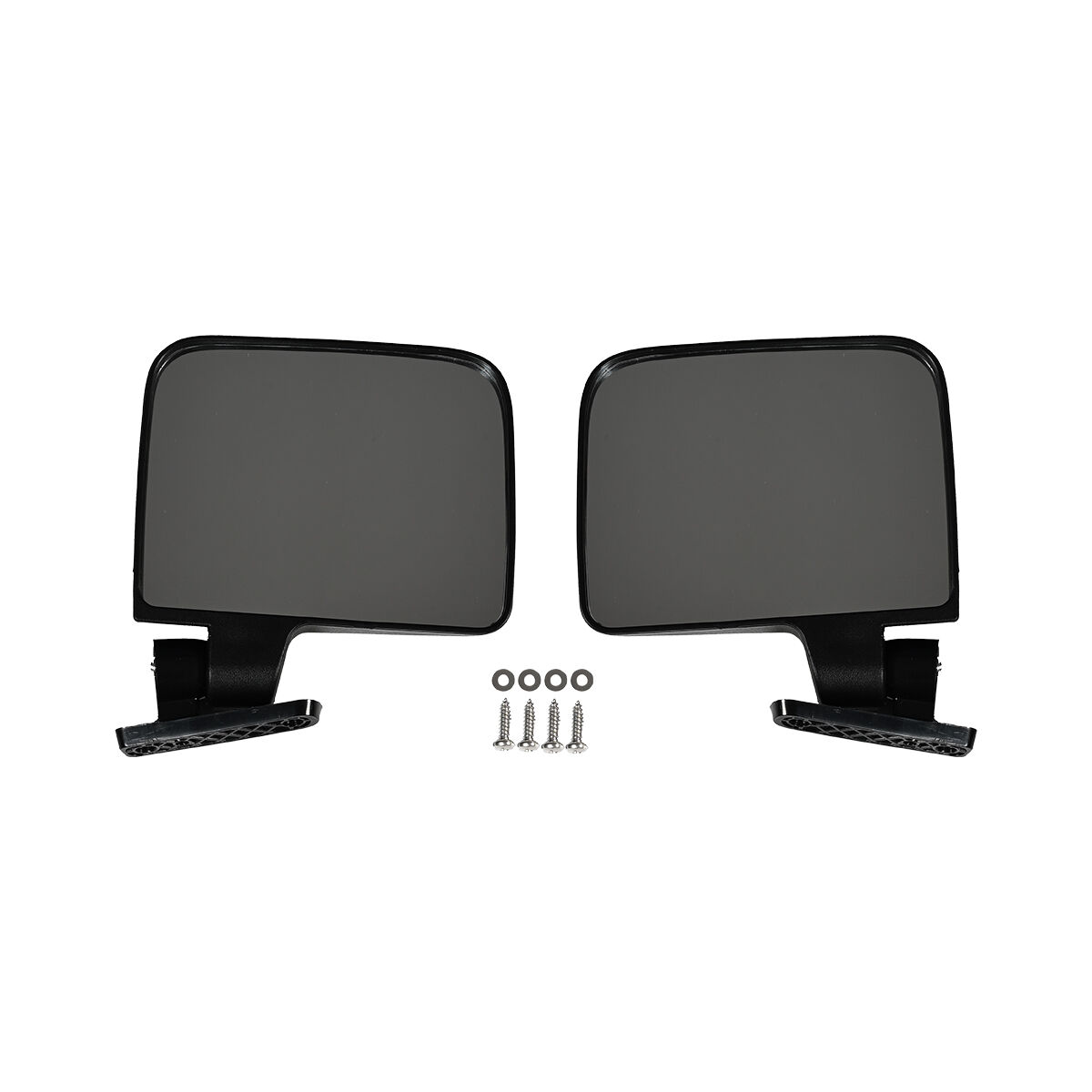
The selection of side mirror materials fundamentally determines how well these essential safety components perform over their operational lifespan. From the mounting brackets that secure the mirror assembly to the reflective surfaces that provide critical visibility, each material choice directly impacts structural stability, weather resistance, and maintenance requirements. Understanding these material relationships enables informed decisions that balance initial cost considerations with long-term performance expectations, particularly in demanding applications where mirror reliability cannot be compromised.
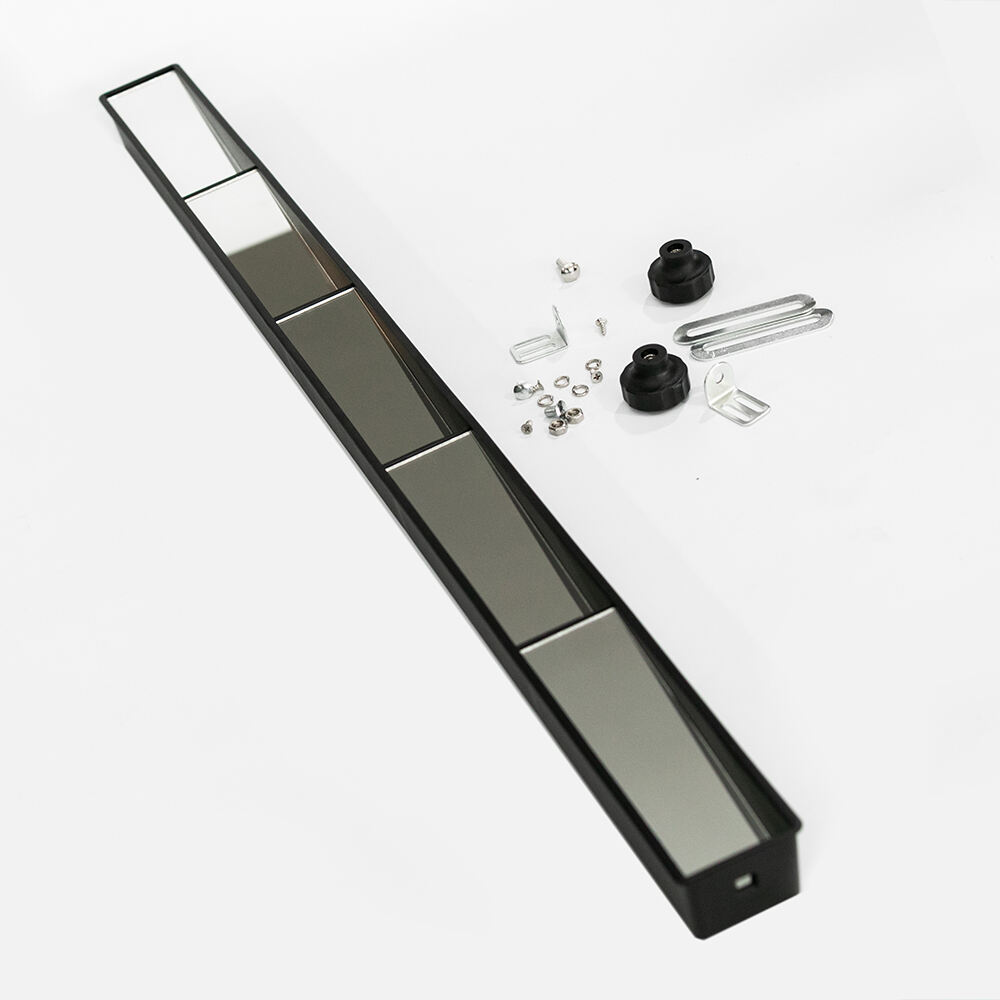
The engineering principles governing side mirror materials extend beyond simple material properties to encompass thermal expansion coefficients, fatigue resistance, and chemical compatibility with environmental conditions. Different applications demand specific material characteristics, where recreational vehicle mirrors face different stress patterns compared to commercial or industrial equipment mirrors. The interplay between substrate materials, protective coatings, and reflective elements creates a system where individual material failures can cascade into complete assembly degradation, making material selection a critical engineering consideration rather than merely a cost optimization exercise.
Structural Materials and Mounting Stability
Metal Alloy Foundations
Aluminum alloys represent the most common choice for side mirror housing and mounting components due to their favorable strength-to-weight ratio and natural corrosion resistance. The 6000 series aluminum alloys, particularly 6061-T6, provide excellent structural properties while maintaining workability for complex mirror geometries. These side mirror materials offer tensile strengths ranging from 240 to 310 MPa, sufficient for most mounting applications while remaining lightweight enough to minimize stress on attachment points. The natural oxide layer formation provides inherent corrosion protection, though additional anodizing treatments significantly extend service life in harsh environments.
Stainless steel components serve critical functions in high-stress mounting applications, particularly for pivot mechanisms and adjustment hardware. Grade 316 stainless steel offers superior corrosion resistance compared to standard 304 grades, making it essential for marine or chemical exposure environments. The material's higher modulus of elasticity compared to aluminum provides dimensional stability under repeated loading cycles, though the increased weight requires careful consideration of mounting point design. The selection between different stainless steel grades depends on specific environmental conditions, with duplex stainless steels offering enhanced strength characteristics for extreme applications.
Cast iron and steel mounting brackets provide maximum structural integrity for heavy-duty applications, though their vulnerability to corrosion requires protective coating systems. These materials excel in applications requiring rigid mounting with minimal deflection under load, such as large commercial vehicle mirrors or industrial equipment installations. The thermal expansion characteristics of ferrous materials must be accommodated in the design to prevent stress concentration at mounting interfaces, particularly when paired with aluminum or composite housing materials.
Composite Material Integration
Advanced composite materials increasingly appear in premium mirror assemblies, offering unique combinations of strength, weight reduction, and design flexibility. Carbon fiber reinforced plastics provide exceptional strength-to-weight ratios, typically 3-5 times stronger than aluminum while weighing significantly less. These side mirror materials excel in applications requiring maximum vibration damping and dimensional stability across temperature ranges. The anisotropic properties of carbon fiber composites require careful fiber orientation design to optimize strength in primary loading directions while maintaining adequate performance in secondary stress patterns.
Fiberglass reinforced plastics offer cost-effective alternatives to carbon fiber while maintaining superior environmental resistance compared to unreinforced plastics. The glass fiber reinforcement provides structural continuity that prevents catastrophic failure modes common in pure plastic assemblies. These materials demonstrate excellent chemical resistance to automotive fluids, cleaning solvents, and environmental contaminants that can degrade other material systems. The thermal expansion characteristics closely match those of metal components, reducing thermal stress at material interfaces.
Hybrid composite systems combine multiple reinforcement types to optimize specific performance characteristics. Glass-carbon fiber hybrid composites balance cost considerations with performance requirements, using carbon fibers in high-stress areas and glass fibers for general structural support. These engineered material systems allow precise tuning of mechanical properties while maintaining manufacturing feasibility for production volumes.
Reflective Surface Material Engineering
Glass Substrate Characteristics
Float glass remains the standard substrate for high-quality mirror applications due to its optical clarity, surface flatness, and dimensional stability. The manufacturing process produces glass with minimal internal stress and excellent surface quality, essential for distortion-free reflection. Standard float glass thickness ranges from 3mm to 6mm for automotive applications, with thicker substrates providing improved impact resistance at the expense of increased weight. The thermal expansion coefficient of soda-lime glass requires careful consideration when designing mounting systems that accommodate temperature cycling without inducing stress fractures.
Tempered glass substrates offer enhanced safety characteristics through controlled stress patterns that cause the glass to fracture into small, relatively harmless pieces rather than large sharp fragments. The tempering process increases surface compression while creating internal tension, resulting in strength improvements of 4-6 times over annealed glass. These side mirror materials particularly benefit applications where impact resistance is critical, though the tempering process introduces slight optical distortion that may affect precision applications requiring exact reflection characteristics.
Chemically strengthened glass provides intermediate strength characteristics between annealed and tempered glass while maintaining superior optical quality. The ion exchange process creates surface compression without the thermal stress patterns associated with tempering, resulting in improved strength with minimal optical distortion. This material choice proves optimal for applications requiring both durability and precision optics, though the higher processing costs limit adoption to premium applications.
Metallic Coating Systems
Silver-based reflective coatings provide the highest reflectivity across the visible spectrum, typically achieving 95-99% reflection efficiency when properly applied and protected. The silver layer requires protective overcoats to prevent oxidation and mechanical damage, with copper backing layers often used to enhance adhesion and provide sacrificial protection. These coating systems demonstrate excellent long-term stability when properly sealed from environmental exposure, though silver's reactivity with sulfur compounds requires careful material selection for protective layers.
Aluminum coatings offer cost-effective alternatives with good reflectivity characteristics, typically achieving 85-90% reflection efficiency across the visible spectrum. The natural aluminum oxide formation provides inherent protection against further oxidation, though the coating remains susceptible to mechanical damage and chemical attack. Enhanced aluminum coating systems incorporate protective layers to extend service life, with silicon dioxide overcoats providing excellent environmental protection while maintaining optical clarity.
Multi-layer dielectric coatings enable precise control of reflective characteristics while providing enhanced environmental durability. These systems use alternating layers of high and low refractive index materials to achieve specific reflectivity curves, enabling optimization for particular lighting conditions or specialized applications. The side mirror materials used in these coating systems typically include titanium dioxide, silicon dioxide, and various metal oxides, each contributing specific optical and protective characteristics to the overall system performance.
Environmental Resistance and Protective Systems
Corrosion Protection Strategies
Galvanic corrosion prevention requires careful material selection and isolation techniques when dissimilar metals appear in mirror assemblies. Aluminum housings paired with steel mounting hardware create galvanic couples that accelerate corrosion in the presence of electrolytes, particularly road salt solutions. Protective strategies include the use of dielectric barriers, sacrificial coatings, or material selection that minimizes galvanic potential differences. Zinc-rich primer systems provide cathodic protection for steel components while maintaining paint adhesion characteristics.
Anodizing treatments for aluminum components create controlled oxide layers that significantly enhance corrosion resistance while providing decorative finish options. Hard anodizing processes produce oxide layers 25-100 microns thick with excellent wear resistance and environmental durability. These side mirror materials demonstrate superior performance in marine environments or areas with high road salt exposure, though the anodizing process requires careful control to maintain dimensional tolerances for precision-fit components.
Polymer coating systems offer versatile protection for various substrate materials while enabling color matching and texture control. Powder coating systems provide excellent adhesion and environmental resistance, particularly when applied over proper surface preparation and primer systems. Liquid coating systems enable complex geometries and field repair capabilities, though they typically require more careful application control to achieve consistent film thickness and properties.
Thermal Stability Considerations
Temperature cycling effects on side mirror materials create stress patterns that can lead to fatigue failures or dimensional changes over time. Differential thermal expansion between dissimilar materials requires accommodation through design features such as flexible joints, expansion slots, or material selection that minimizes expansion coefficient differences. The most critical interfaces occur between metal mounting components and plastic housings, where thermal stress can cause cracking or loosening of mechanical fasteners.
Glass transition temperatures for polymer materials define their useful temperature ranges and mechanical property stability. Most automotive plastics maintain adequate properties within normal operating temperature ranges, though extreme conditions such as desert climates or cold storage can push materials beyond their design limits. Material selection must consider not only average operating temperatures but also thermal shock conditions that occur during rapid temperature changes.
Thermal barrier coatings and insulation systems protect temperature-sensitive components from extreme thermal exposure. Reflective coatings on mirror housing exteriors reduce solar heat absorption, while internal insulation materials protect electronic components or sensitive mechanisms. These protective systems require careful integration to avoid creating moisture traps or thermal bridges that could compromise overall system performance.
Mechanical Properties and Load Distribution
Fatigue Resistance Characteristics
Vibration-induced fatigue represents a primary failure mode for mirror assemblies, particularly in mobile applications subject to constant mechanical excitation. Material selection must consider endurance limits and stress concentration factors that determine component longevity under cyclic loading. Aluminum alloys typically demonstrate excellent fatigue resistance when properly designed to avoid stress concentrations, though welded or machined features can significantly reduce fatigue life if not carefully detailed.
Stress concentration effects at mounting holes, radius transitions, and material interfaces create localized high-stress regions that initiate fatigue cracks. Design optimization through finite element analysis enables identification of these critical areas and material selection or geometry modifications to minimize stress concentration factors. The side mirror materials chosen for high-stress areas often differ from those selected for general structural applications, with premium alloys or composites used selectively to address specific loading conditions.
Damping characteristics of various materials influence the dynamic response of mirror assemblies to vibration inputs. Composite materials generally provide superior damping compared to metals, reducing transmitted vibration and improving image stability. The selection between different material systems often involves balancing structural requirements with vibration control needs, particularly for precision optical applications where image quality depends on mechanical stability.
Impact Resistance Design
Impact energy absorption capabilities determine how well mirror assemblies survive accidental contact or debris impact. Plastic housings typically provide better impact resistance than metal housings due to their ability to deform without fracturing, though the recovery characteristics vary significantly between different polymer types. Thermoplastic materials can often be reformed after minor impacts, while thermoset plastics may require replacement even after relatively minor damage.
Breakaway design features protect mounting structures by allowing controlled failure of mirror assemblies under severe impact conditions. These design approaches require careful material selection to achieve predictable failure modes that protect vehicle structures while maintaining adequate strength for normal operating conditions. The balance between breakaway functionality and structural integrity represents a critical design optimization that depends heavily on material characteristics and joint design.
Energy-absorbing foam cores and deformation zones within mirror housing provide controlled impact response while maintaining structural integrity. These internal structures often use specialized side mirror materials optimized for energy absorption, such as closed-cell foams or honeycomb structures that provide predictable crush characteristics. The integration of these energy management systems requires careful consideration of environmental sealing and moisture protection to maintain long-term performance.
FAQ
What are the most durable side mirror materials for harsh outdoor conditions?
Stainless steel mounting hardware combined with anodized aluminum housings and tempered glass mirrors provide the best durability for harsh outdoor conditions. This combination offers excellent corrosion resistance, impact tolerance, and long-term dimensional stability. Marine-grade stainless steel (316 grade) should be used for mounting components, while hard anodized aluminum provides superior environmental protection compared to painted surfaces. Protective coatings on reflective surfaces extend service life significantly in corrosive environments.
How do different side mirror materials affect vibration and image stability?
Composite materials and aluminum alloys generally provide better vibration damping than steel, resulting in more stable mirror images during operation. Carbon fiber composites offer the best combination of strength and damping characteristics, though at higher cost. The mounting system design has equal importance to material selection, with proper isolation and structural tuning required to minimize transmitted vibration. Heavier mirror assemblies tend to have lower resonant frequencies, which may or may not align with excitation frequencies from the mounting vehicle or equipment.
What material factors determine the lifespan of side mirror assemblies?
Corrosion resistance, fatigue strength, and environmental stability are the primary material factors determining mirror assembly lifespan. The weakest link principle applies, where the failure of any single component can compromise the entire assembly. Protective coatings, proper material compatibility, and accommodation of thermal expansion are critical design factors. UV resistance for plastic components and moisture protection for reflective coatings significantly influence long-term performance, with material degradation often occurring gradually before reaching critical failure points.
Can recycled materials be effectively used in side mirror manufacturing?
Recycled aluminum and certain plastics can be effectively used in side mirror manufacturing, though performance verification is essential. Recycled aluminum alloys maintain excellent structural properties when properly processed and can significantly reduce material costs and environmental impact. Post-consumer recycled plastics require careful selection and testing to ensure adequate UV resistance and mechanical properties. Glass recycling is more challenging due to optical quality requirements, though recycled glass can be used for non-critical mirror components or lower-grade applications where slight optical distortion is acceptable.