
 EN
EN
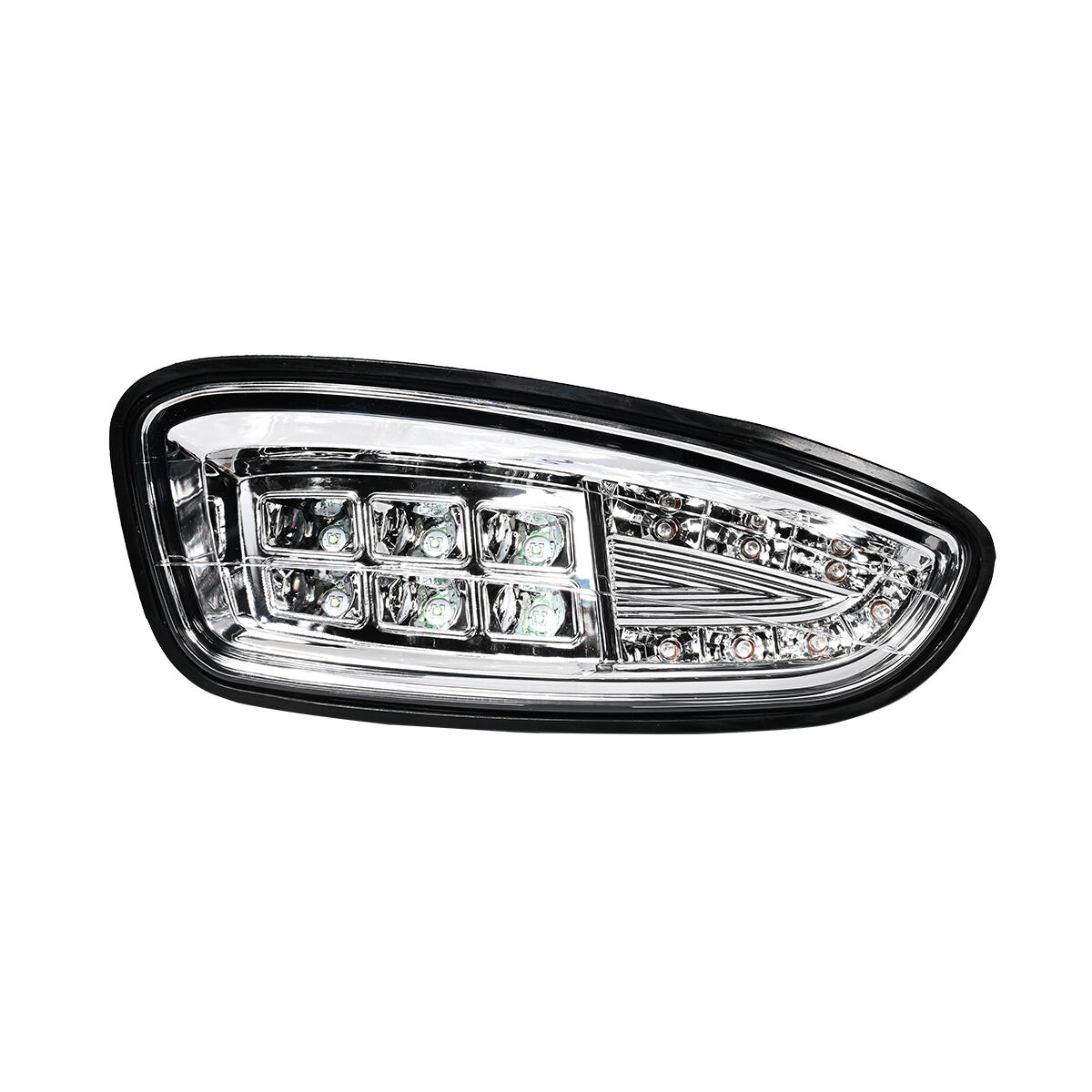
The reliability of side mirror performance across varying driving speeds represents a critical safety factor that directly impacts driver awareness and accident prevention. Understanding how different speed ranges affect mirror functionality helps drivers make informed decisions about their vehicle's safety equipment and maintenance requirements.
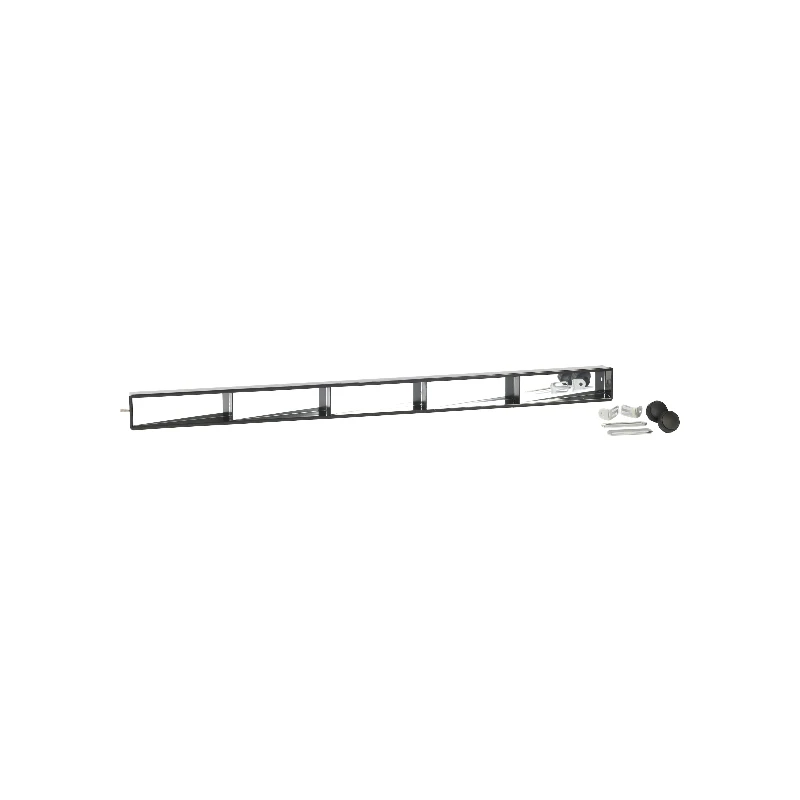
Speed-dependent mirror performance involves complex interactions between aerodynamic forces, vibration patterns, and optical clarity that determine how effectively these essential safety components function. The relationship between velocity and mirror reliability directly influences the driver's ability to maintain situational awareness and execute safe lane changes, merging maneuvers, and general traffic navigation across different driving conditions.
Aerodynamic Forces and Mirror Stability
Wind Pressure Effects on Mirror Housing
At low speeds under 30 mph, side mirror performance remains largely unaffected by aerodynamic forces, allowing for optimal visibility and minimal distortion. The mirror housing experiences minimal wind pressure, ensuring that the reflective surface maintains its intended positioning and provides accurate visual information to the driver.
As speeds increase to highway levels between 55-75 mph, aerodynamic pressure begins to exert significant force on the mirror assembly. This pressure can cause subtle positioning shifts in poorly secured mirrors, directly impacting side mirror performance by altering the viewing angle and creating potential blind spots that compromise safety.
High-speed driving above 75 mph subjects mirrors to substantial aerodynamic stress that can overwhelm inadequate mounting systems. Quality mirror assemblies incorporate reinforced mounting brackets and aerodynamically optimized housing designs to maintain consistent side mirror performance even under extreme wind conditions.
Turbulence and Mirror Movement
Crosswinds and vehicle-generated turbulence create additional challenges for maintaining stable side mirror performance at various speeds. Lower speeds allow mirrors to recover quickly from minor turbulence-induced movements, while higher speeds amplify these effects and can cause persistent oscillation that degrades visual clarity.
The interaction between vehicle speed and environmental wind conditions creates complex turbulence patterns around the mirror housing. Understanding these patterns helps explain why side mirror performance varies significantly between calm and windy driving conditions, particularly at highway speeds where turbulence effects become most pronounced.
Vibration Dynamics and Image Quality
Engine and Road Vibration Transmission
Vehicle vibrations from engine operation and road surface irregularities directly affect side mirror performance through the mirror mounting system. At idle and low speeds, engine vibrations create minimal mirror movement, allowing for clear, stable images that support accurate depth perception and distance judgment.
Moderate speeds between 35-55 mph often represent the optimal range for side mirror performance, as engine vibrations stabilize while road-induced vibrations remain manageable. This speed range typically provides the clearest mirror images with minimal blur or oscillation that could compromise driver decision-making.
Higher speeds amplify vibration transmission through the vehicle structure, potentially causing mirror blur that reduces the effectiveness of side mirror performance. Quality mirror systems incorporate vibration dampening technologies and rigid mounting designs to minimize these effects across the entire speed spectrum.
Resonance Frequency Considerations
Each mirror assembly has specific resonance frequencies where vibration amplification occurs, creating speed ranges where side mirror performance may be temporarily compromised. These resonance points typically manifest as brief periods of increased mirror oscillation at specific RPM or speed combinations.
Understanding resonance characteristics helps explain why some vehicles experience mirror vibration issues only at certain speeds while maintaining excellent side mirror performance in other speed ranges. Modern mirror designs actively avoid common resonance frequencies to ensure consistent performance across typical driving speeds.
Optical Clarity and Speed-Related Factors
Mirror Surface Contamination at Speed
Higher driving speeds increase the rate of mirror surface contamination from road debris, insects, and weather-related particles that can significantly degrade side mirror performance. The impact velocity of these contaminants at highway speeds creates more stubborn adherence patterns that require more frequent cleaning for optimal visibility.
Rain and moisture effects on side mirror performance become more pronounced at higher speeds due to increased water droplet impact and the formation of streaming patterns that can obscure vision. Hydrophobic coatings and heated mirror technologies help maintain clarity across different speed ranges and weather conditions.
Dust and particulate accumulation occurs more rapidly at highway speeds, creating a gradual degradation of side mirror performance that may not be immediately noticeable but can significantly impact visibility over time. Regular maintenance becomes more critical for vehicles frequently operated at higher speeds.
Lighting and Reflection Quality
The effectiveness of side mirror performance varies with lighting conditions and speed combinations, particularly during dawn, dusk, and nighttime driving. Higher speeds reduce the time available for visual processing of mirror information, making optimal reflection quality more critical for safe operation.
Glare management becomes increasingly important for side mirror performance at higher speeds, where rapid changes in lighting conditions can temporarily compromise visibility. Anti-glare coatings and adjustable mirror positions help maintain consistent performance across varying speed and lighting scenarios.
Mounting System Engineering and Speed Tolerance
Bracket Design and Material Strength
The engineering of mirror mounting brackets directly determines how well side mirror performance is maintained across different speed ranges. High-quality mounting systems use materials and designs that resist deformation under aerodynamic loads while maintaining precise mirror positioning for optimal visibility.
Adjustable mounting mechanisms must balance flexibility for positioning with rigidity for speed stability to ensure consistent side mirror performance. The quality of joints, pivots, and locking mechanisms determines how well mirrors maintain their settings under varying aerodynamic pressures.
Material fatigue in mounting components can gradually degrade side mirror performance over time, particularly in vehicles regularly operated at higher speeds. Regular inspection of mounting hardware helps identify potential issues before they compromise mirror stability and safety.
Integration with Vehicle Structure
The connection between mirror assemblies and vehicle body structure significantly influences side mirror performance across different speeds. Solid mounting points that distribute loads effectively prevent the localized stress concentrations that can cause mirror movement or failure at higher speeds.
Vehicle design considerations such as door rigidity and body panel stiffness directly affect how well side mirror performance is maintained during high-speed operation. Vehicles designed for highway use typically incorporate enhanced structural support for mirror mounting areas.
Environmental Adaptation and Performance Consistency
Temperature Effects on Mirror Components
Temperature variations affect side mirror performance through thermal expansion and contraction of mounting components and mirror housing materials. Higher speeds can increase component temperatures through aerodynamic heating, potentially affecting mirror positioning and stability.
Cold weather conditions can make mirror adjustment mechanisms stiffer, while hot conditions may cause temporary expansion that affects side mirror performance. Quality mirror systems account for these thermal effects through material selection and design tolerances.
The interaction between speed-induced heating and environmental temperature creates complex thermal conditions that can affect side mirror performance consistency. Understanding these interactions helps explain performance variations between different seasons and driving conditions.
Moisture and Corrosion Resistance
Higher speeds increase moisture exposure from rain and road spray, accelerating potential corrosion of mirror components that can degrade side mirror performance over time. Protective coatings and sealed designs help maintain performance consistency across different speed ranges and weather conditions.
The combination of speed and environmental exposure creates challenging conditions for maintaining long-term side mirror performance. Regular maintenance and quality component selection become critical factors for ensuring reliable operation across the vehicle's service life.
FAQ
How does driving speed affect the clarity of side mirror images?
Driving speed affects side mirror performance through increased vibration transmission and aerodynamic forces that can cause image blur or oscillation. Higher speeds amplify vehicle vibrations and create wind pressure that may cause mirror movement, reducing image clarity. Quality mirror systems with proper mounting and vibration dampening maintain clearer images across different speed ranges.
At what speed do aerodynamic forces start impacting mirror stability?
Aerodynamic forces begin to noticeably impact side mirror performance around 45-55 mph, with effects becoming more pronounced at highway speeds above 65 mph. Wind pressure at these speeds can cause poorly mounted mirrors to shift position or vibrate, affecting visibility. Well-designed mirror systems maintain stability even at speeds exceeding 80 mph through aerodynamic housing shapes and robust mounting mechanisms.
Why do some mirrors vibrate only at certain speeds?
Mirror vibration at specific speeds typically occurs due to resonance frequency matching between vehicle vibrations and mirror assembly natural frequencies. This phenomenon causes amplified oscillation that temporarily degrades side mirror performance at particular RPM or speed ranges. Quality mirror designs avoid common resonance frequencies to ensure consistent performance across the entire speed spectrum.
How often should mirrors be inspected for high-speed driving reliability?
Vehicles regularly operated at highway speeds should have their side mirror performance evaluated monthly, including checks of mounting tightness, mirror positioning stability, and surface cleanliness. More frequent inspection may be necessary for commercial vehicles or those operating in harsh environmental conditions where speed-related stress and contamination occur more rapidly.