 EN
EN
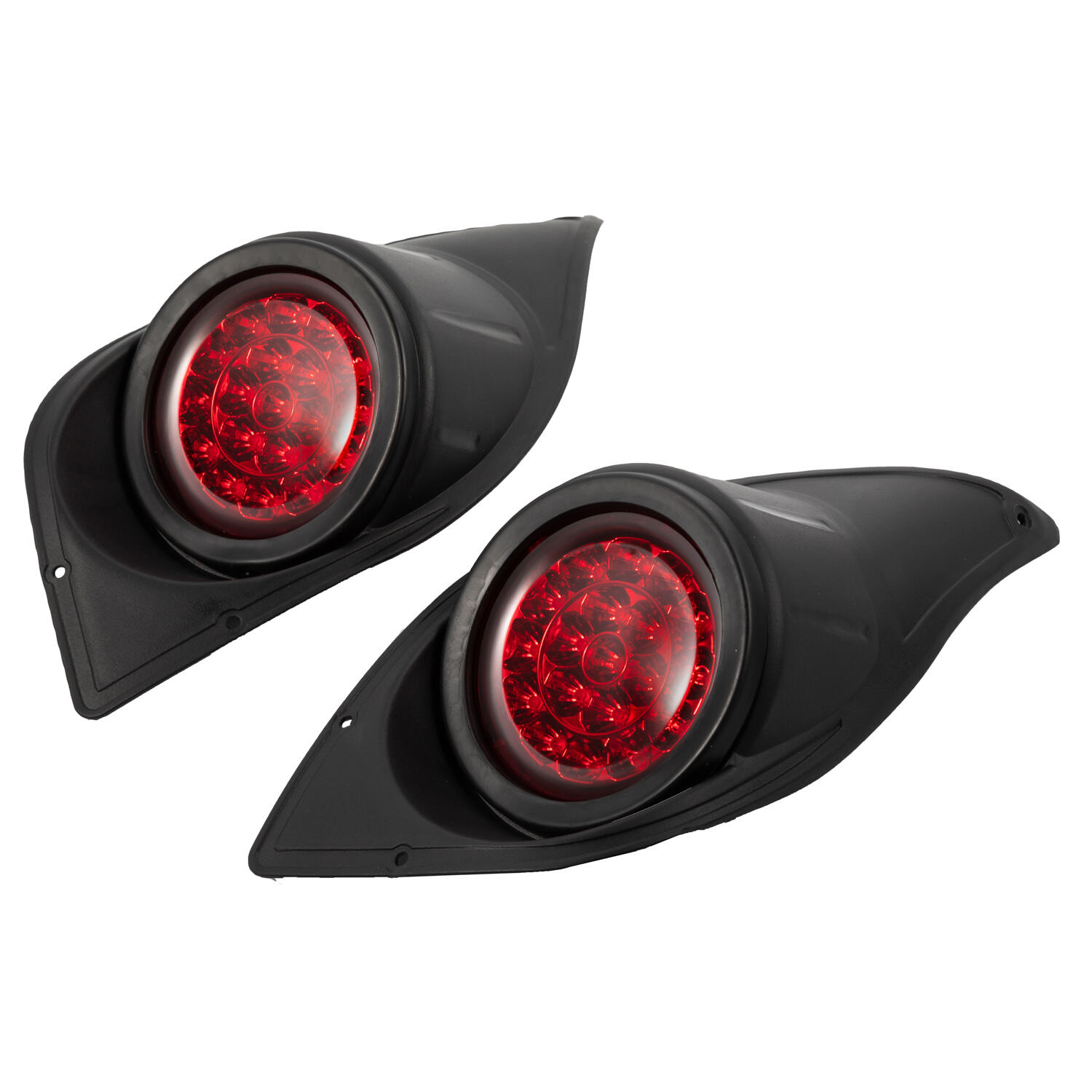
The automotive industry faces unprecedented pressure to enhance vehicle safety as regulatory bodies, consumer advocacy groups, and manufacturers collaborate to reduce traffic fatalities and injuries. Central to this evolution are taillight standards, which have transformed from basic visibility requirements to sophisticated safety mandates that encompass brightness levels, response times, durability specifications, and adaptive functionality. These standards serve as the regulatory backbone that ensures every vehicle's rear lighting system meets minimum safety thresholds while accommodating emerging technologies and changing driving conditions.
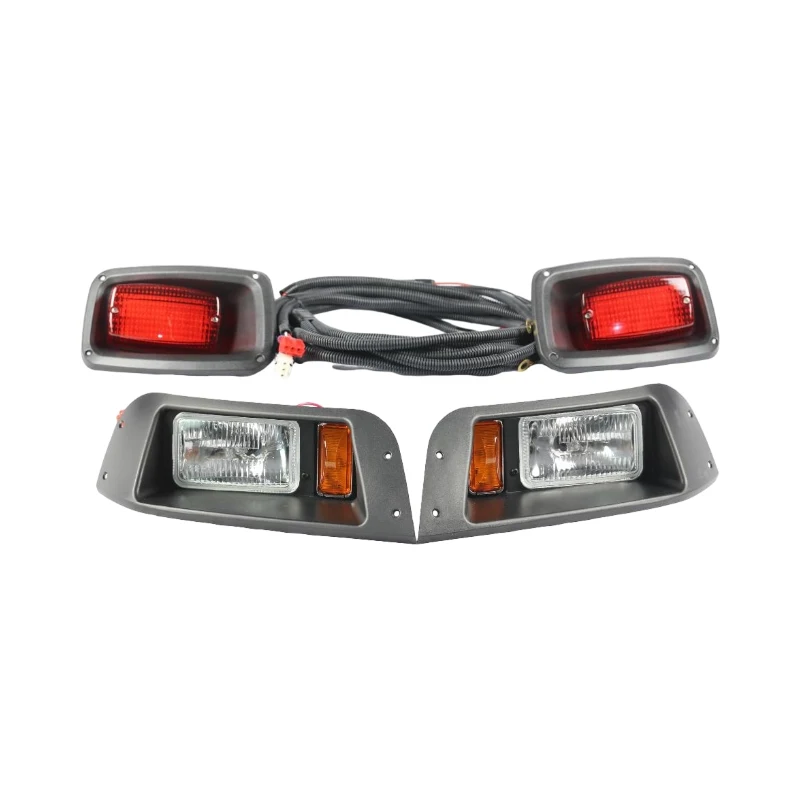
Understanding how taillight standards adapt to changing automotive safety expectations requires examining the dynamic relationship between regulatory frameworks, technological advancement, and real-world safety data. Modern taillight standards must balance traditional safety principles with innovations such as LED technology, adaptive lighting systems, and smart vehicle connectivity, while remaining flexible enough to accommodate future developments in autonomous vehicles and advanced driver assistance systems. This adaptive approach ensures that regulatory requirements continue to protect road users while enabling manufacturers to implement cutting-edge safety technologies.
Regulatory Framework Evolution in Response to Safety Data
Historical Foundation and Modern Adaptations
Taillight standards originated from basic visibility requirements established in the early automotive era, when simple incandescent bulbs provided minimal rear illumination during low-light conditions. These foundational regulations focused primarily on ensuring that vehicles remained visible to following traffic, with standardized red coloring and minimum brightness thresholds forming the core requirements. However, as traffic density increased and vehicle speeds rose throughout the mid-twentieth century, regulatory bodies recognized that traditional taillight standards needed substantial enhancement to address evolving safety challenges.
Contemporary taillight standards incorporate sophisticated performance metrics that extend far beyond basic visibility, including response time specifications that ensure brake lights illuminate within milliseconds of brake pedal activation. These enhanced standards reflect decades of accident analysis data showing that improved rear lighting systems significantly reduce rear-end collisions, particularly during adverse weather conditions and nighttime driving scenarios. Regulatory agencies now mandate specific luminous intensity measurements, beam pattern distributions, and environmental durability requirements that ensure consistent performance across diverse operating conditions.
The adaptation process involves continuous collaboration between safety researchers, automotive engineers, and regulatory specialists who analyze emerging collision patterns and technological capabilities to identify areas where taillight standards require updating. This collaborative approach ensures that new standards address real-world safety concerns while remaining technically feasible for manufacturers to implement across diverse vehicle platforms and price points.
Data-Driven Standard Development
Modern taillight standards development relies heavily on comprehensive accident analysis, field testing data, and controlled laboratory studies that quantify the safety benefits of specific lighting characteristics. Regulatory bodies systematically review collision statistics to identify patterns where enhanced rear lighting systems could have prevented or mitigated accident severity, using this data to establish evidence-based performance requirements. These investigations often reveal that factors such as brake light activation speed, emergency flasher patterns, and turn signal visibility significantly influence following driver reaction times and decision-making accuracy.
Research institutions conduct extensive testing programs that measure driver response times under various lighting conditions, vehicle speeds, and environmental factors to establish scientifically valid performance benchmarks for taillight standards. These studies utilize advanced measurement equipment, controlled driving simulators, and real-world testing scenarios to generate reliable data on how different lighting characteristics affect traffic safety outcomes. The resulting evidence forms the technical foundation for updating taillight standards to incorporate measurable safety improvements.
Regulatory agencies also monitor international safety standards and research findings to ensure that domestic taillight standards remain aligned with global best practices and emerging safety technologies. This international coordination prevents regulatory fragmentation while allowing individual markets to address specific regional safety concerns through targeted standard modifications.
Technological Integration and Performance Requirements
LED Technology and Enhanced Visibility Standards
The widespread adoption of LED technology in automotive lighting systems has fundamentally transformed taillight standards by enabling unprecedented levels of brightness control, energy efficiency, and design flexibility. LED-based rear lighting systems offer superior luminous intensity compared to traditional incandescent bulbs while consuming significantly less electrical power, allowing manufacturers to implement more sophisticated lighting patterns without compromising vehicle electrical system performance. These technological advantages have prompted regulatory updates to taillight standards that establish new performance benchmarks specifically designed to leverage LED capabilities.
Modern taillight standards now include specific requirements for LED light distribution patterns, color temperature consistency, and thermal management systems that ensure reliable performance across extreme temperature ranges. These enhanced specifications address unique characteristics of LED technology, such as directional light emission and temperature-dependent performance variations, while maintaining compatibility with existing vehicle electrical systems. Regulatory bodies have also established testing protocols that verify LED taillight durability under vibration, moisture, and thermal cycling conditions that reflect real-world automotive operating environments.
The transition to LED technology has enabled taillight standards to incorporate advanced features such as sequential turn signals, adaptive brake light intensity based on deceleration rate, and integrated backup lighting systems that provide enhanced visibility during reverse maneuvers. These innovations represent a significant evolution from traditional static lighting systems toward dynamic rear lighting that actively communicates vehicle status and driver intentions to surrounding traffic.
Smart Integration and Adaptive Functionality
Contemporary taillight standards increasingly accommodate smart integration capabilities that allow rear lighting systems to interface with advanced driver assistance systems, vehicle stability control, and emergency braking technologies. These integrated systems enable taillight functionality that extends beyond traditional illumination to include active safety communication through variable intensity patterns, hazard detection signaling, and coordinated lighting responses during emergency situations. Smart taillight systems can automatically adjust brightness levels based on ambient lighting conditions, traffic density, and weather parameters to optimize visibility without causing glare or distraction to following drivers.
Regulatory frameworks for smart taillight systems establish performance requirements for automated brightness adjustment, failure detection and backup lighting activation, and integration protocols that ensure compatibility with existing vehicle safety systems. These standards address potential failure modes such as sensor malfunction, software errors, and electrical system interference while maintaining reliable basic lighting functionality under all operating conditions. Advanced taillight standards also specify cybersecurity requirements that protect smart lighting systems from unauthorized access or manipulation that could compromise vehicle safety.
The development of adaptive taillight standards requires extensive testing of human factors considerations, including how drivers and pedestrians interpret variable lighting patterns and whether advanced features improve or complicate traffic safety communications. Regulatory agencies conduct comprehensive evaluation programs that assess driver comprehension of smart taillight signals under diverse traffic scenarios to ensure that technological advancement translates into measurable safety improvements.
Environmental and Durability Considerations
Weather Resistance and Climate Adaptations
Taillight standards must address the challenges posed by diverse environmental conditions, from extreme temperature variations and humidity levels to exposure to road salt, ultraviolet radiation, and physical impact from debris. Modern standards establish comprehensive environmental testing requirements that verify taillight performance across temperature ranges spanning from arctic conditions to desert heat, ensuring consistent illumination and structural integrity regardless of climate conditions. These environmental specifications have become increasingly important as global vehicle markets demand lighting systems that perform reliably across vastly different geographic regions and seasonal variations.
Moisture resistance requirements within taillight standards address both temporary exposure during rain and washing as well as long-term humidity effects that can cause internal condensation and electrical system degradation. Advanced sealing specifications ensure that taillight assemblies maintain watertight integrity while allowing for thermal expansion and contraction that occurs during normal operation. These standards also address the unique challenges posed by LED technology, including thermal management requirements that prevent overheating while maintaining optimal light output across varying ambient temperatures.
UV resistance specifications protect taillight lenses and housing materials from degradation caused by prolonged sunlight exposure, which can reduce light transmission efficiency and compromise structural integrity over time. These requirements ensure that taillight performance remains consistent throughout the vehicle's operational lifespan, preventing safety degradation due to material aging or environmental damage.
Durability and Lifecycle Performance
Contemporary taillight standards incorporate rigorous durability testing protocols that simulate years of real-world vehicle operation through accelerated laboratory testing procedures. These comprehensive evaluations include vibration testing that replicates road surface conditions, thermal cycling that mimics seasonal temperature variations, and impact resistance testing that verifies structural integrity under collision scenarios. Durability standards ensure that taillight systems maintain consistent performance characteristics throughout the vehicle's expected operational lifespan without requiring frequent maintenance or replacement.
Lifecycle performance requirements address the unique characteristics of different lighting technologies, with specific standards for LED operational lifespan, incandescent bulb replacement intervals, and hybrid systems that combine multiple lighting technologies. These specifications establish minimum performance thresholds that manufacturers must meet while providing consumers with reliable expectations for taillight system longevity and maintenance requirements. Advanced durability standards also address emerging concerns such as electronic component reliability in smart lighting systems and software update requirements that maintain optimal performance over time.
Environmental sustainability considerations within taillight standards promote the use of recyclable materials, energy-efficient technologies, and manufacturing processes that minimize environmental impact throughout the product lifecycle. These sustainability requirements reflect growing awareness of automotive industry environmental responsibilities while maintaining primary focus on safety performance and regulatory compliance.
Future Adaptation Mechanisms and Emerging Technologies
Autonomous Vehicle Integration
The emergence of autonomous vehicle technology presents unprecedented challenges for taillight standards development, as traditional lighting systems designed for human driver communication must evolve to accommodate vehicle-to-vehicle communication, pedestrian interaction, and mixed traffic scenarios involving both autonomous and manually operated vehicles. Future taillight standards must establish protocols for communicating autonomous vehicle status, intended movements, and system operational modes through sophisticated lighting patterns that remain comprehensible to human observers while enabling automated vehicle systems to interpret and respond appropriately.
Autonomous vehicle taillight systems require enhanced failure detection capabilities and redundant lighting systems that ensure continued operation even when primary vehicle systems experience malfunctions. These safety-critical requirements demand new testing protocols and performance standards that address scenarios unique to autonomous operation, including remote monitoring capabilities, over-the-air software updates, and integration with traffic management infrastructure. Regulatory frameworks must balance innovation encouragement with safety assurance while providing sufficient flexibility to accommodate rapidly evolving autonomous vehicle technologies.
The transition period involving mixed autonomous and conventional vehicle traffic creates unique challenges for taillight standards, as lighting systems must effectively communicate with both human drivers and automated vehicle sensors simultaneously. This dual-purpose requirement necessitates careful consideration of lighting patterns, intensity levels, and response timing that optimize safety across diverse traffic scenarios and technological capabilities.
Connectivity and Infrastructure Integration
Future taillight standards will increasingly incorporate connectivity features that enable integration with intelligent transportation infrastructure, emergency response systems, and real-time traffic management networks. Connected taillight systems can receive and transmit safety-relevant information such as hazard warnings, traffic condition updates, and emergency vehicle presence notifications that enhance overall traffic safety beyond traditional vehicle-to-vehicle visual communication. These advanced capabilities require new regulatory frameworks that address data security, communication protocols, and interoperability standards across diverse vehicle manufacturers and infrastructure providers.
Smart infrastructure integration enables taillight systems to adapt their behavior based on real-time traffic conditions, weather updates, and emergency situations that may not be immediately apparent to individual drivers. This connectivity allows for coordinated lighting responses across multiple vehicles during emergency situations, enhanced visibility during adverse weather conditions, and optimized traffic flow through intelligent signal timing. Regulatory development for connected taillight standards requires collaboration between automotive regulators, telecommunications authorities, and infrastructure management agencies to ensure comprehensive safety coverage.
The implementation of connected taillight standards must address cybersecurity concerns, privacy protection requirements, and system reliability standards that prevent malicious interference while maintaining essential safety functionality. These considerations become increasingly important as taillight systems evolve from simple lighting devices to sophisticated communication platforms that influence traffic safety across entire transportation networks.
FAQ
How often do taillight standards get updated to reflect new safety requirements?
Taillight standards typically undergo major revisions every 5-7 years, with minor updates occurring more frequently as new safety data becomes available or technological advances warrant regulatory adjustments. The update frequency depends on factors such as accident analysis findings, technological innovation rates, and international harmonization efforts that require coordination across multiple regulatory jurisdictions.
What testing procedures ensure that new taillight technologies meet evolving safety standards?
Comprehensive testing procedures include photometric measurements for light output and distribution, environmental durability testing across temperature and moisture extremes, vibration and impact resistance evaluation, and human factors studies that assess driver comprehension of lighting patterns. Additionally, electromagnetic compatibility testing ensures that smart taillight systems do not interfere with other vehicle electronics or communication systems.
How do taillight standards balance innovation encouragement with safety assurance?
Regulatory frameworks incorporate performance-based standards rather than prescriptive technology requirements, allowing manufacturers flexibility in achieving safety objectives through innovative approaches while maintaining measurable safety outcomes. This approach enables the adoption of emerging technologies such as adaptive lighting and smart integration while ensuring that all solutions meet fundamental visibility and reliability requirements.
What role do international coordination efforts play in taillight standards development?
International coordination through organizations such as the United Nations Economic Commission for Europe facilitates harmonized taillight standards that enable global vehicle manufacturing while addressing regional safety priorities. This collaboration prevents regulatory fragmentation, reduces manufacturing complexity, and ensures that safety innovations developed in one market can benefit drivers worldwide through consistent implementation standards.
Table of Contents
- Regulatory Framework Evolution in Response to Safety Data
- Technological Integration and Performance Requirements
- Environmental and Durability Considerations
- Future Adaptation Mechanisms and Emerging Technologies
-
FAQ
- How often do taillight standards get updated to reflect new safety requirements?
- What testing procedures ensure that new taillight technologies meet evolving safety standards?
- How do taillight standards balance innovation encouragement with safety assurance?
- What role do international coordination efforts play in taillight standards development?