
 EN
EN
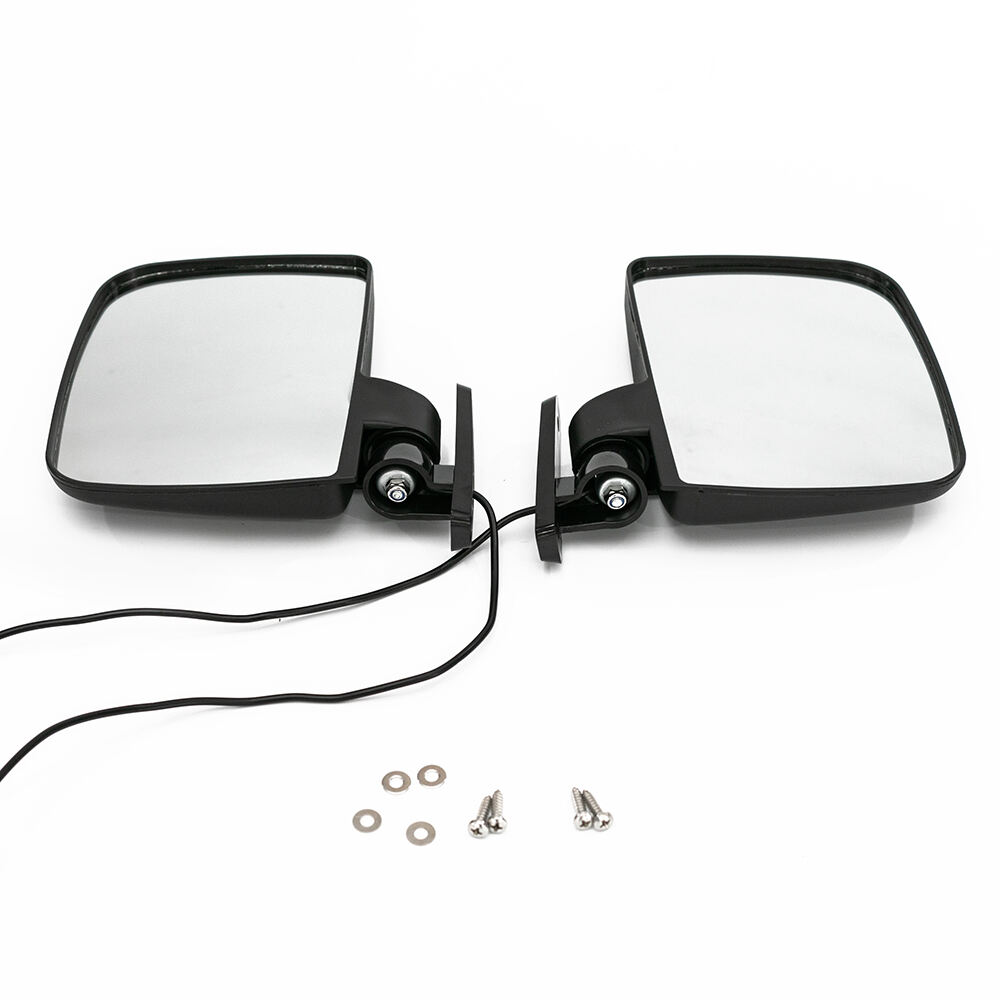
Understanding what makes headlight performance reliable across different driving environments is crucial for vehicle safety and operational efficiency. Urban and highway driving present distinct lighting challenges that require headlight systems to maintain consistent illumination quality, beam patterns, and visibility enhancement regardless of environmental conditions or driving speeds.
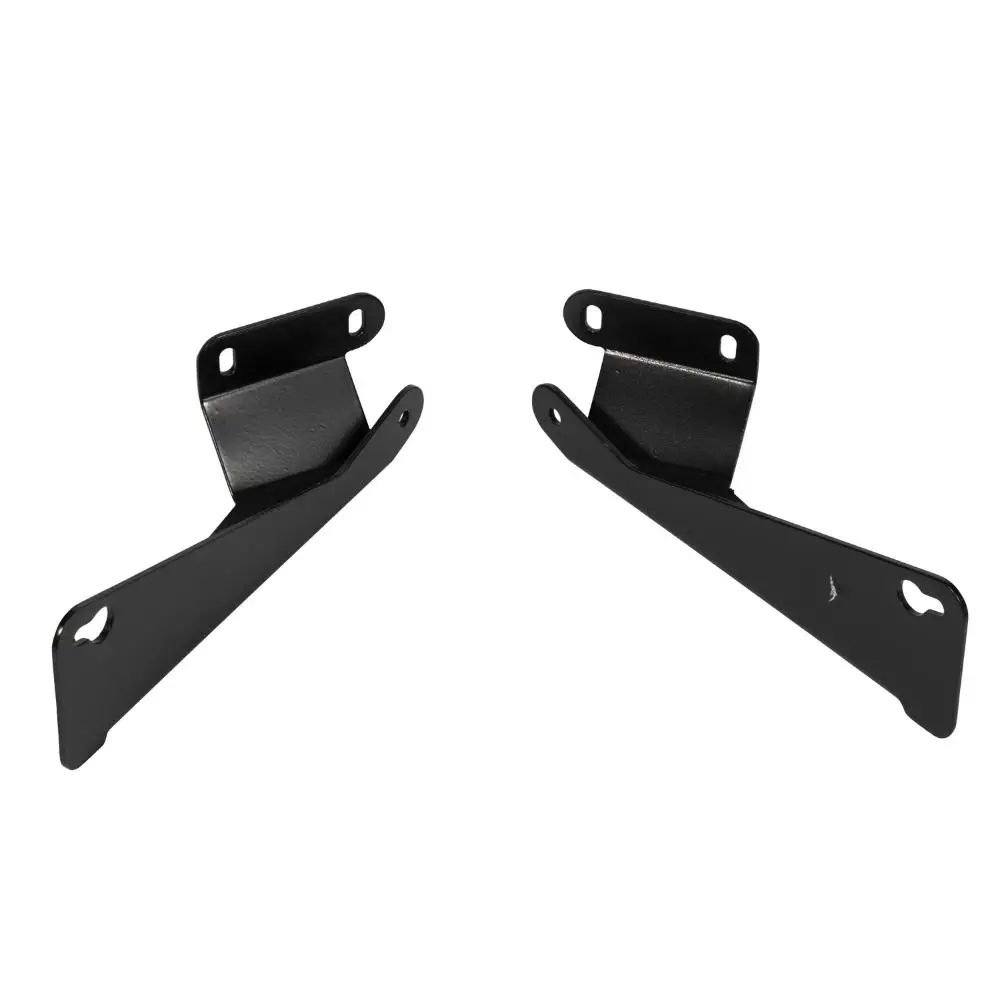
Consistent headlight performance depends on multiple engineering factors including optical design precision, thermal management systems, electrical stability, and mounting hardware integrity. These elements work together to ensure that headlight systems deliver uniform light distribution and maintain optimal beam characteristics whether navigating congested city streets with frequent stops or maintaining highway speeds over extended distances.
Engineering Foundations for Consistent Illumination
Optical Design and Beam Pattern Stability
The foundation of consistent headlight performance lies in precision optical engineering that creates stable beam patterns across varying operating conditions. Modern headlight systems utilize advanced reflector geometries and lens technologies that maintain light distribution consistency regardless of vehicle speed or environmental factors. These optical components are designed to prevent beam scatter and maintain focused illumination that adapts to both close-range urban visibility needs and long-distance highway requirements.
Beam pattern stability requires careful consideration of how light interacts with different road surfaces and atmospheric conditions. Urban environments with reflective surfaces and varying ambient light levels demand headlight performance that can cut through light pollution while providing adequate near-field illumination. Highway driving requires sustained long-distance projection without creating glare patterns that compromise safety for oncoming traffic.
Thermal Management Systems
Consistent headlight performance depends heavily on effective thermal management that prevents overheating and maintains stable light output. Heat buildup can cause LED degradation, reduce luminous efficacy, and create color temperature shifts that affect visibility quality. Advanced headlight systems incorporate heat sinks, thermal interface materials, and ventilation designs that dissipate heat efficiently during both stop-and-go urban driving and sustained highway operation.
Temperature fluctuations between urban and highway environments can significantly impact headlight performance if thermal management is inadequate. Urban driving with frequent stops allows for cooling intervals, while highway driving creates sustained heat loads. Properly engineered thermal systems maintain consistent operating temperatures that preserve light quality and extend component lifespan across both driving scenarios.
Electrical Stability and Power Management
Voltage Regulation and Current Control
Stable electrical supply is fundamental to maintaining consistent headlight performance across different driving conditions. Vehicle electrical systems experience varying loads and voltage fluctuations during urban stop-and-go driving compared to steady highway cruising. Advanced headlight systems incorporate voltage regulation circuits that compensate for these variations and maintain consistent power delivery to lighting components.
Current control mechanisms ensure that headlight performance remains stable regardless of engine load variations or alternator output changes. Urban driving with frequent acceleration and braking cycles creates more electrical system stress than highway cruising, requiring robust power management to prevent flickering, dimming, or color temperature variations that could compromise safety.
EMI Shielding and Interference Resistance
Electromagnetic interference from various vehicle systems and external sources can disrupt headlight performance, particularly in LED and HID systems with electronic ballasts or drivers. Urban environments typically present more EMI challenges due to density of electronic devices, while highway driving may encounter interference from communication towers and other vehicles. Effective EMI shielding ensures that headlight performance remains unaffected by these external influences.
Interference resistance is achieved through proper circuit design, component selection, and shielding techniques that isolate lighting circuits from disruptive signals. This protection maintains consistent light output and prevents the operational irregularities that could compromise visibility during critical driving moments in both urban and highway environments.
Mechanical Stability and Mounting Systems
Vibration Resistance and Structural Integrity
Mechanical stability is essential for maintaining consistent headlight performance as vehicles encounter different road surfaces and driving dynamics. Urban driving exposes headlight systems to frequent vibrations from stop-and-go traffic, speed bumps, and varied road conditions, while highway driving creates sustained vibrations at higher frequencies. Robust mounting systems and shock-absorbing components prevent beam misalignment and maintain optical precision.
Structural integrity of headlight housings and mounting brackets directly affects beam stability and light distribution consistency. Flexible or inadequately supported headlight assemblies can experience micro-movements that shift beam patterns and create inconsistent illumination. Quality mounting hardware maintains precise alignment that preserves headlight performance across all driving conditions.
Environmental Sealing and Protection
Consistent headlight performance requires effective protection from environmental factors that vary between urban and highway driving scenarios. Urban environments may expose headlight systems to more frequent temperature cycling, humidity variations, and chemical exposure from road treatments and pollution. Highway driving presents challenges from sustained operation, high-speed air pressure, and debris impact.
Advanced sealing systems prevent moisture intrusion, dust accumulation, and chemical contamination that could degrade optical components or electrical connections. These protective measures ensure that headlight performance remains consistent regardless of environmental exposure patterns typical of different driving environments.
Adaptive Control Systems and Smart Technology
Dynamic Beam Adjustment Mechanisms
Modern headlight systems incorporate adaptive control mechanisms that automatically adjust beam patterns and intensity based on driving conditions, vehicle speed, and environmental factors. These systems recognize the differences between urban and highway driving scenarios and optimize headlight performance accordingly. Urban mode may emphasize wider beam patterns for intersection visibility, while highway mode focuses on extended range illumination.
Dynamic beam adjustment helps maintain consistent headlight performance by compensating for factors like vehicle loading, suspension changes, and road grade variations. These systems ensure optimal beam alignment and light distribution regardless of driving conditions, preventing the performance variations that could compromise safety or visibility quality.
Sensor Integration and Environmental Response
Sensor-integrated headlight systems monitor environmental conditions and driving parameters to maintain optimal performance across different scenarios. Light sensors detect ambient conditions and adjust headlight intensity to maintain consistent visibility without creating excessive glare. Speed sensors can trigger beam pattern changes that optimize illumination for urban maneuverability or highway distance vision.
Environmental response capabilities allow headlight systems to adapt to weather conditions, traffic density, and road characteristics in real-time. This adaptive functionality ensures that headlight performance remains consistent and appropriate for current driving demands, whether navigating complex urban intersections or maintaining visibility during extended highway travel.
Performance Optimization Across Driving Scenarios
Urban Driving Requirements
Urban driving scenarios demand headlight performance that provides excellent near-field illumination, wide beam coverage for intersection visibility, and precise cutoff patterns that prevent glare in close-proximity traffic situations. Stop-and-go driving patterns require rapid stabilization after engine starts and consistent performance during frequent cycling between active and standby modes.
City driving environments with streetlights and building reflections require headlight systems that maintain effective illumination without being overwhelmed by ambient light pollution. Consistent headlight performance in urban settings depends on maintaining adequate contrast and beam definition that enhances road visibility and object detection capabilities.
Highway Driving Optimization
Highway driving requires headlight performance that emphasizes long-distance illumination, sustained operation reliability, and consistent beam quality at higher speeds. Extended operation periods demand thermal stability and electrical consistency that prevents performance degradation over time. High-speed air flow and vibration patterns require robust mechanical design that maintains optical alignment.
Highway headlight performance must provide adequate illumination range for safe stopping distances while maintaining beam control that prevents oncoming traffic glare. The consistency of light output and beam pattern becomes critical during extended night driving when driver fatigue and reduced reaction times make optimal visibility essential for safety.
FAQ
How does vehicle speed affect headlight performance consistency?
Vehicle speed influences headlight performance through aerodynamic effects, vibration patterns, and electrical system variations. Higher speeds create increased air pressure on headlight assemblies and different vibration frequencies that can affect beam stability. Quality headlight systems are designed to maintain consistent performance across all speed ranges through robust mounting and advanced stabilization technologies.
What role does electrical system stability play in consistent headlight operation?
Electrical system stability is crucial for maintaining consistent headlight performance as voltage fluctuations and current variations can cause light output changes, color temperature shifts, and component stress. Modern headlight systems incorporate voltage regulation and current control circuits that compensate for electrical system variations and maintain stable operation regardless of engine load or alternator output conditions.
Why do some headlight systems perform differently in urban versus highway environments?
Different performance between urban and highway environments typically results from inadequate thermal management, insufficient vibration resistance, or poor electrical stability. Urban driving creates different heat cycling patterns and electrical loads compared to highway driving, while road surface variations and traffic patterns create distinct operational stresses. Well-engineered headlight systems account for these differences and maintain consistent performance across all driving scenarios.
How important is mounting hardware quality for headlight performance consistency?
Mounting hardware quality is fundamental to consistent headlight performance as it maintains precise optical alignment and prevents beam pattern shifts caused by vibration or mechanical stress. Poor mounting systems can allow micro-movements that create inconsistent illumination patterns, reduced beam control, and compromised safety. Quality mounting hardware ensures that headlight performance remains stable regardless of driving conditions or environmental factors.
Table of Contents
- Engineering Foundations for Consistent Illumination
- Electrical Stability and Power Management
- Mechanical Stability and Mounting Systems
- Adaptive Control Systems and Smart Technology
- Performance Optimization Across Driving Scenarios
-
FAQ
- How does vehicle speed affect headlight performance consistency?
- What role does electrical system stability play in consistent headlight operation?
- Why do some headlight systems perform differently in urban versus highway environments?
- How important is mounting hardware quality for headlight performance consistency?