
 EN
EN
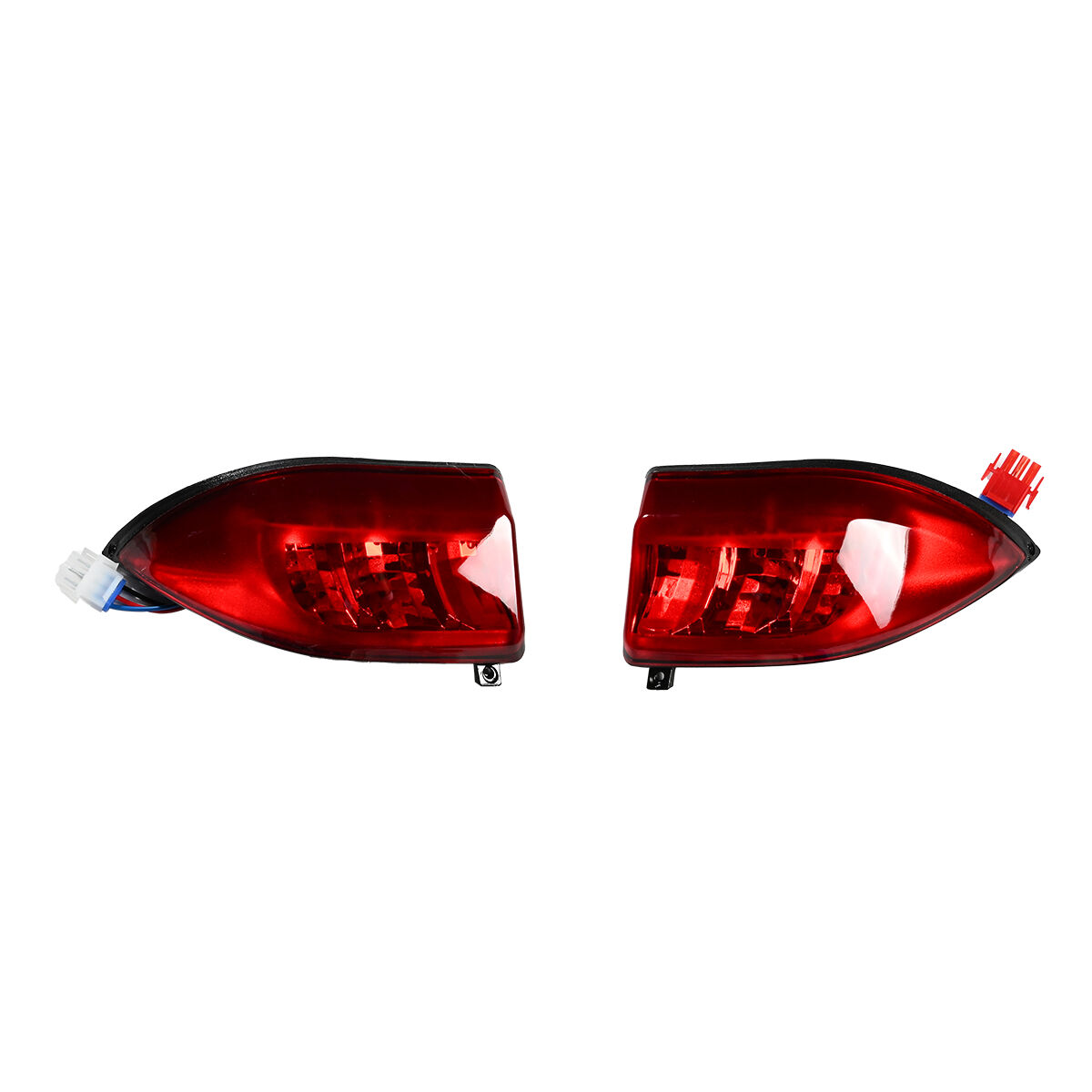
The critical importance of taillight design becomes immediately apparent when driving conditions deteriorate and visibility drops. While many drivers take these essential safety components for granted during daylight hours, the sophisticated engineering behind effective taillight design can mean the difference between a safe journey and a catastrophic collision when darkness falls or weather conditions reduce visibility. Modern taillight design encompasses far more than simple red illumination, involving complex considerations of light intensity, beam patterns, reflective surfaces, and human visual perception.
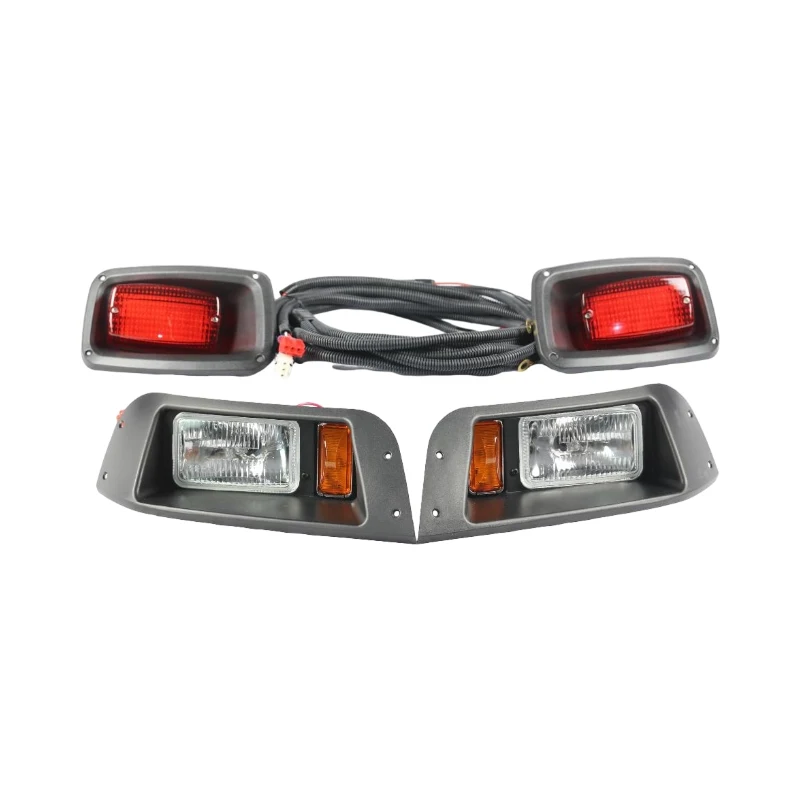
The relationship between taillight design and road safety extends beyond mere compliance with regulatory standards, touching on fundamental aspects of human psychology and visual processing. When visibility is compromised, whether by darkness, fog, rain, or snow, the effectiveness of taillight design determines how quickly and accurately other drivers can assess vehicle position, speed, and intended movements. This critical communication system requires precise engineering to function optimally under the most challenging conditions, making taillight design a cornerstone of automotive safety systems.
The Science Behind Effective Taillight Design
Human Visual Perception and Light Processing
Understanding why taillight design matters begins with recognizing how the human visual system processes light information under varying conditions. During low-visibility driving, the eye's photoreceptors shift from cone-based vision to rod-based vision, fundamentally altering how we perceive color, intensity, and contrast. Effective taillight design must account for these physiological changes, ensuring that red wavelengths remain clearly distinguishable even when the eye's sensitivity patterns shift dramatically.
The positioning and intensity of taillight elements directly influence reaction times, with well-designed systems providing clear visual cues that allow following drivers to make split-second decisions. Research indicates that optimal taillight design can reduce rear-end collision risks by up to 40% in low-visibility conditions, demonstrating the measurable impact of thoughtful engineering on road safety outcomes.
Light Distribution and Beam Patterns
Modern taillight design incorporates sophisticated light distribution patterns that maximize visibility across multiple viewing angles while avoiding excessive glare that could impair nearby drivers. The engineering challenge lies in creating uniform illumination that remains consistent whether viewed directly from behind or at oblique angles from adjacent lanes. Advanced taillight design utilizes precisely molded lenses and strategically positioned LED arrays to achieve optimal light distribution characteristics.
The beam pattern of quality taillight design extends beyond simple illumination, incorporating both direct light emission and reflective elements that enhance visibility under vehicle headlight illumination. This dual-mode functionality ensures that taillights remain effective even when the vehicle's electrical system experiences problems, providing a critical safety backup through passive reflection.
Environmental Factors and Design Adaptations
Weather Resistance and Performance
Exceptional taillight design must maintain optimal performance across extreme weather conditions that commonly reduce driving visibility. Rain, snow, and fog each present unique challenges that require specific design considerations to ensure consistent light transmission and visibility. Water accumulation on taillight surfaces can significantly reduce light output, making sealed housing designs and hydrophobic lens coatings essential elements of weather-resistant taillight design.
Temperature fluctuations also impact taillight design performance, particularly affecting LED efficiency and lens clarity. Professional-grade taillight design incorporates thermal management systems and temperature-resistant materials that maintain consistent light output regardless of ambient conditions. These design features become particularly critical during winter driving when condensation and ice formation can compromise visibility.
Dust and Debris Protection
Off-road and industrial applications demand taillight design that withstands exposure to dust, dirt, and flying debris without compromising illumination quality. Robust housing construction and impact-resistant lens materials form the foundation of durable taillight design, while strategic mounting positions minimize exposure to road debris and environmental contaminants.
The ingress protection ratings of quality taillight design systems reflect their ability to maintain functionality in challenging environments. Advanced sealing technologies and corrosion-resistant materials ensure that taillight performance remains consistent over extended service periods, even in harsh operating conditions.
Technology Integration and Smart Features
LED Technology and Energy Efficiency
Contemporary taillight design increasingly incorporates LED technology to achieve superior brightness, longevity, and energy efficiency compared to traditional incandescent systems. LED-based taillight design offers precise control over light intensity and color temperature, enabling optimization for human visual perception under various driving conditions. The instant-on characteristics of LED technology also improve safety by eliminating the delay associated with filament-based bulbs during braking and signaling operations.
Energy efficiency considerations in modern taillight design extend beyond simple power consumption, encompassing heat generation, system reliability, and maintenance requirements. Well-engineered LED taillight design systems generate minimal heat while providing superior illumination, reducing stress on vehicle electrical systems and extending component service life.
Adaptive Brightness and Smart Controls
Advanced taillight design now incorporates adaptive brightness control systems that automatically adjust light intensity based on ambient conditions and driving situations. These intelligent systems enhance visibility during low-light conditions while preventing excessive glare that could impair other drivers during clear weather. Smart taillight design can also integrate with vehicle safety systems to provide enhanced warning capabilities during emergency situations.
The integration of taillight design with vehicle communication systems enables features such as progressive turn signals and collision warning indicators that provide additional safety benefits beyond basic illumination. These advanced features demonstrate how modern taillight design serves as a comprehensive communication platform rather than simply a passive lighting system.
Safety Impact and Accident Prevention
Collision Reduction Statistics
Statistical analysis of traffic accidents consistently demonstrates the correlation between effective taillight design and reduced collision rates, particularly during periods of limited visibility. Vehicles equipped with advanced taillight design systems show measurably lower rates of rear-end collisions, with the most significant improvements observed during dawn, dusk, and nighttime driving periods.
The economic impact of superior taillight design extends beyond immediate safety benefits, encompassing reduced insurance claims, lower vehicle maintenance costs, and decreased traffic disruption from weather-related accidents. Fleet operators report significant cost savings when implementing vehicles with optimized taillight design, demonstrating the business case for investing in quality lighting systems.
Emergency and Warning Applications
Specialized taillight design applications for emergency and commercial vehicles require enhanced visibility characteristics that exceed standard automotive requirements. These applications demand taillight design solutions that remain visible over extended distances and through adverse weather conditions that would compromise standard lighting systems.
The integration of strobe patterns and high-intensity warning modes in emergency vehicle taillight design creates distinctive visual signatures that alert other drivers to hazardous situations. These specialized taillight design features require precise timing and intensity control to maximize effectiveness while avoiding visual confusion or distraction.
Installation and Maintenance Considerations
Proper Mounting and Positioning
The effectiveness of even the most advanced taillight design depends heavily on proper installation and positioning relative to the vehicle's structure and intended use patterns. Mounting height, angle, and spacing all influence the visibility characteristics of taillight design systems, requiring careful consideration during installation to achieve optimal performance.
Professional installation of taillight design systems ensures compliance with regulatory requirements while maximizing safety benefits. Improper mounting can significantly compromise the effectiveness of quality taillight design, making professional installation and periodic inspection essential maintenance practices.
Ongoing Maintenance and Performance Monitoring
Regular maintenance protocols for taillight design systems include cleaning, inspection, and performance testing to ensure continued optimal operation. Lens cleaning procedures must account for specific materials and coatings used in advanced taillight design to avoid damage while maintaining maximum light transmission.
Performance monitoring of taillight design systems should include regular checks of light intensity, color consistency, and electrical connections. Preventive maintenance schedules help identify potential issues before they compromise safety, ensuring that taillight design systems continue providing reliable protection throughout their service life.
FAQ
How does taillight design specifically improve safety during foggy conditions?
Taillight design improves foggy weather safety through optimized red wavelength transmission and enhanced light penetration characteristics. Quality taillight design incorporates specific lens patterns and LED configurations that maintain visibility through fog particles, while proper beam patterns ensure that light reaches following drivers without creating dangerous glare or reflection off fog droplets.
What makes LED-based taillight design superior to traditional halogen systems?
LED taillight design offers superior performance through instant illumination, consistent light output, longer service life, and lower power consumption compared to halogen systems. LED technology in taillight design also provides better color stability and allows for more precise beam pattern control, resulting in improved visibility and reduced maintenance requirements over the vehicle's operational life.
How often should taillight design systems be inspected for optimal performance?
Professional taillight design systems should undergo comprehensive inspection every six months, with basic functionality checks performed monthly. This inspection schedule ensures that taillight design components maintain optimal performance characteristics and allows for early detection of potential issues that could compromise safety during low-visibility driving conditions.
Can aftermarket taillight design modifications improve vehicle safety?
Quality aftermarket taillight design upgrades can significantly improve vehicle safety when properly selected and installed according to manufacturer specifications. Modern aftermarket taillight design solutions often incorporate advanced LED technology and improved beam patterns that exceed original equipment performance, provided they meet regulatory requirements and are compatible with the vehicle's electrical system.
Table of Contents
- The Science Behind Effective Taillight Design
- Environmental Factors and Design Adaptations
- Technology Integration and Smart Features
- Safety Impact and Accident Prevention
- Installation and Maintenance Considerations
-
FAQ
- How does taillight design specifically improve safety during foggy conditions?
- What makes LED-based taillight design superior to traditional halogen systems?
- How often should taillight design systems be inspected for optimal performance?
- Can aftermarket taillight design modifications improve vehicle safety?