
 EN
EN
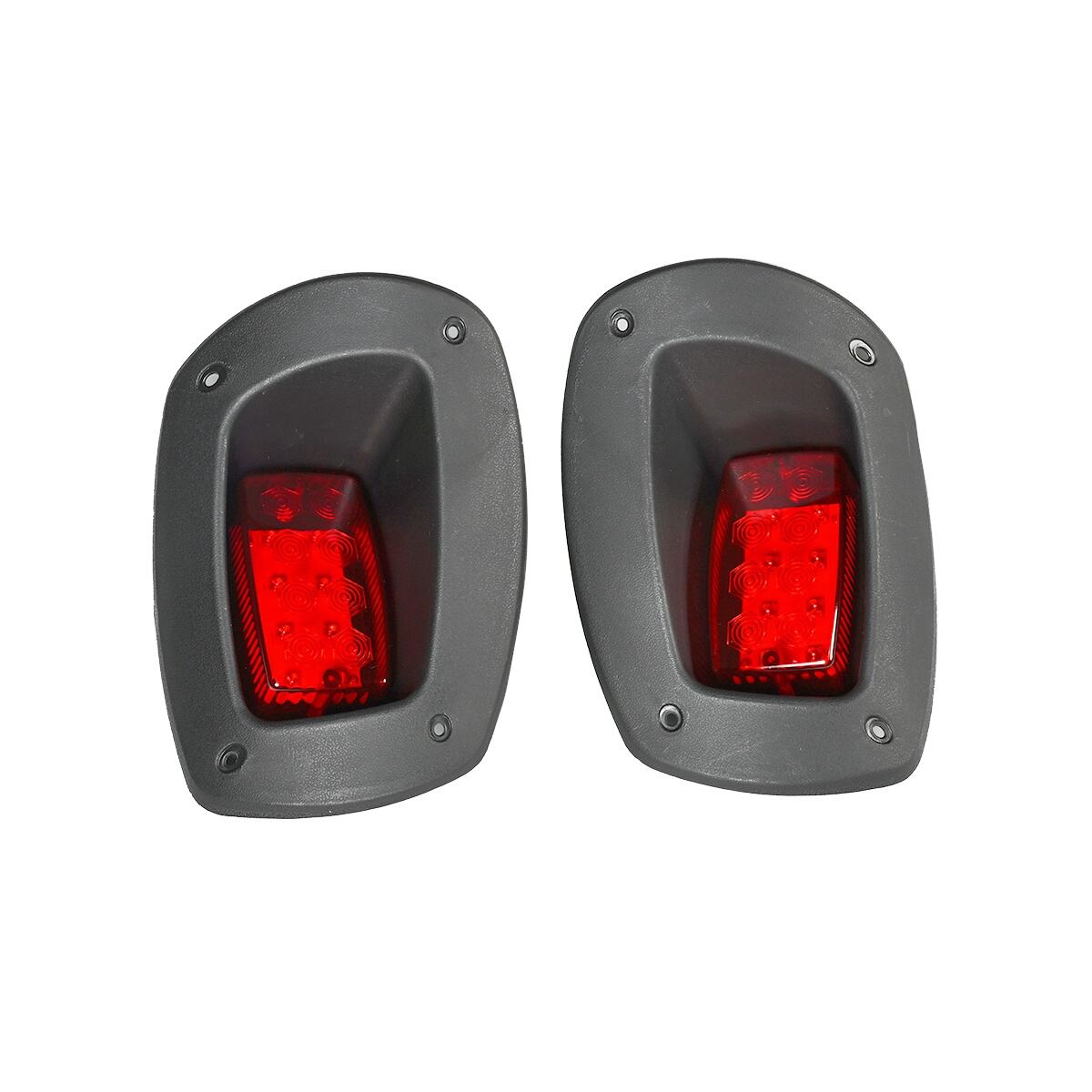
Reliable taillight performance represents a critical safety component that directly impacts vehicle visibility and operational safety throughout the entire vehicle lifecycle. While many vehicle systems may tolerate gradual degradation, taillight assemblies must maintain consistent illumination output, structural integrity, and electrical reliability from initial installation through decades of service operation.
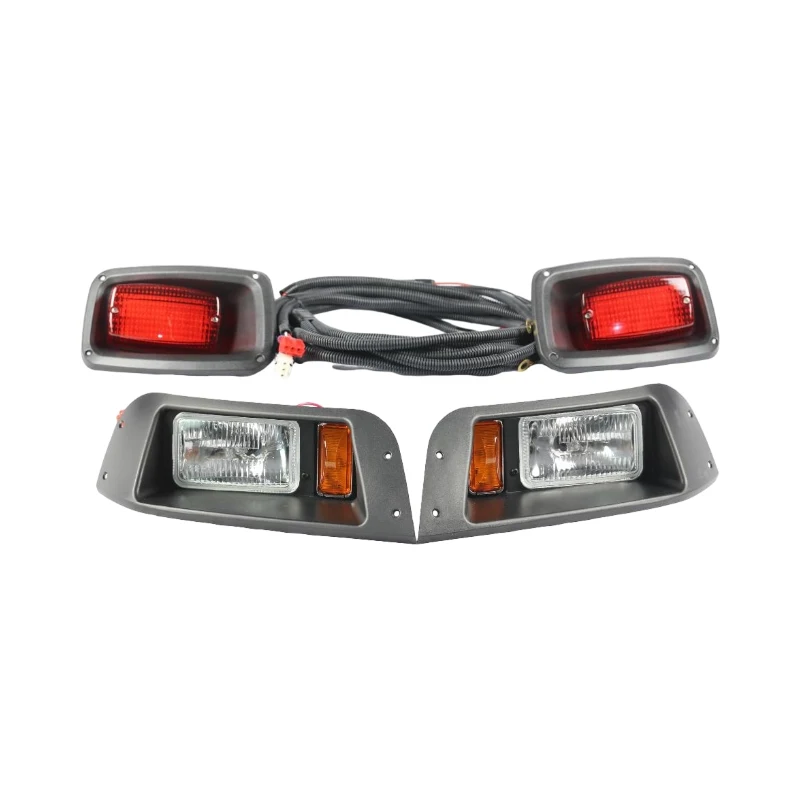
The foundation of enduring taillight performance lies in understanding how multiple engineering factors work together to resist environmental stress, electrical fluctuations, and mechanical wear over extended operational periods. Manufacturing precision, material selection, environmental sealing, and thermal management combine to determine whether taillight assemblies will maintain their safety-critical function across vehicle lifecycles that may span 15 to 25 years of active service.
Material Engineering and Durability Foundations
Advanced Polymer Housing Construction
Modern taillight performance depends heavily on polymer housing materials engineered specifically for automotive environmental exposure. High-grade polycarbonate and acrylic materials resist UV degradation that can cause lens clouding and reduced light transmission over time. These advanced polymers maintain optical clarity and structural integrity despite continuous exposure to temperature cycling, humidity fluctuations, and chemical contaminants from road environments.
The molecular structure of automotive-grade polymers includes UV stabilizers and impact modifiers that prevent the material brittleness and discoloration commonly seen in lower-quality taillight assemblies. This material engineering ensures that taillight performance remains consistent even after years of exposure to intense sunlight, road salt, and thermal stress cycles that range from sub-zero winter conditions to extreme summer heat.
Quality polymer formulations also incorporate anti-static properties that prevent dust and debris accumulation on lens surfaces. This seemingly minor detail significantly impacts long-term taillight performance by maintaining clean optical surfaces that maximize light output and visibility throughout the vehicle's operational life.
LED Technology and Thermal Management
LED-based taillight systems have revolutionized long-term taillight performance through superior thermal characteristics and extended operational lifespans. Unlike traditional incandescent bulbs that generate significant heat and experience filament degradation, LED components maintain stable light output while generating minimal thermal stress on surrounding housing materials.
Effective thermal management within LED taillight assemblies involves precision heat sink design and thermal interface materials that efficiently transfer heat away from LED junction areas. This thermal control prevents the gradual LED degradation that can reduce light output over time, ensuring that taillight performance remains within safety specifications throughout extended vehicle lifecycles.
Advanced taillight performance systems incorporate thermal monitoring and current regulation circuits that automatically adjust LED drive currents based on operating temperature. This intelligent thermal management extends LED lifespan while maintaining consistent brightness output across varying environmental conditions.
Environmental Sealing and Protection Systems
Multi-Layer Moisture Barrier Technology
Moisture infiltration represents one of the most significant threats to long-term taillight performance, as even minimal water entry can cause electrical corrosion, lens fogging, and complete system failure. Professional-grade taillight assemblies incorporate multiple sealing layers including primary gasket seals, secondary moisture barriers, and ventilation systems that manage internal pressure changes without allowing moisture entry.
Advanced sealing systems use specialized rubber compounds and thermoplastic elastomers that maintain flexibility and sealing effectiveness across temperature ranges from -40°F to 180°F. These materials resist ozone degradation and maintain elastic properties that ensure consistent sealing pressure despite thermal expansion and contraction cycles that occur throughout normal vehicle operation.
Ventilation integration within sealed taillight assemblies prevents pressure buildup that could compromise seal integrity while incorporating desiccant materials that absorb any residual moisture. This comprehensive moisture management approach ensures that internal taillight components remain dry and functional throughout extended vehicle lifecycles.
Chemical Resistance and Corrosion Protection
Road environments expose taillight assemblies to aggressive chemical conditions including road salt, petroleum products, cleaning solvents, and acidic precipitation. Reliable taillight performance requires material systems specifically engineered to resist chemical attack while maintaining structural and optical properties over extended exposure periods.
Corrosion protection strategies include specialized metallic coatings on electrical connections, non-ferrous alloy components in critical areas, and chemical-resistant gasket materials that prevent degradation from exposure to automotive fluids and environmental contaminants. These protection systems work together to prevent the gradual component degradation that can compromise taillight performance over time.
Surface treatment technologies such as ceramic coatings and polymer protective films provide additional chemical resistance while maintaining optical clarity on lens surfaces. These treatments resist etching from acid rain and prevent the gradual surface degradation that can reduce light transmission efficiency in aged taillight assemblies.
Electrical System Design and Reliability Engineering
Voltage Regulation and Power Management
Consistent taillight performance across extended vehicle lifecycles requires sophisticated electrical management systems that compensate for aging vehicle charging systems and fluctuating input voltages. Advanced taillight assemblies incorporate voltage regulation circuits that maintain stable LED drive currents despite variations in vehicle electrical system output that commonly occur as alternators and wiring systems age.
Power management circuits within professional taillight systems include overcurrent protection, thermal shutdown capabilities, and gradual current ramping that prevents LED thermal shock during initial energization. These protective features prevent the sudden component failures that can compromise vehicle safety while extending overall system lifespan through intelligent power control.
Advanced taillight performance systems monitor electrical parameters continuously and can adjust operation to compensate for degraded vehicle wiring or connector resistance that develops over time. This adaptive capability ensures consistent light output even as vehicle electrical systems experience normal aging-related impedance changes.
Connection Integrity and Contact Reliability
Electrical connection reliability represents a critical factor in maintaining taillight performance throughout extended vehicle operation. Professional-grade taillight assemblies use gold-plated contacts, sealed connector systems, and spring-loaded contact mechanisms that maintain low-resistance electrical paths despite vibration, thermal cycling, and environmental exposure.
Advanced connector designs incorporate multiple contact points and redundant electrical paths that prevent single-point failure modes. These robust connection systems resist the gradual contact degradation and increased resistance that can cause intermittent taillight operation or complete system failure in aging vehicle electrical systems.
Contact protection strategies include dielectric grease application, sealed connector housings, and corrosion-resistant alloy contacts that maintain electrical integrity despite exposure to moisture and road contaminants. This comprehensive approach to electrical reliability ensures consistent taillight performance throughout vehicle lifecycles that may include hundreds of thousands of miles of operation.
Testing Validation and Quality Assurance Protocols
Accelerated Aging and Environmental Testing
Reliable taillight performance validation requires comprehensive testing protocols that simulate decades of real-world exposure in accelerated laboratory conditions. Environmental testing chambers subject taillight assemblies to rapid temperature cycling, UV exposure, humidity variations, and chemical exposure that replicate years of vehicle operation in compressed timeframes.
Accelerated aging protocols include thermal shock testing that cycles assemblies between extreme temperature limits, UV exposure testing that simulates years of sunlight exposure, and vibration testing that replicates millions of road impact cycles. These testing methodologies identify potential failure modes and material degradation patterns before products enter service operation.
Quality validation also includes electrical endurance testing that subjects taillight circuits to extended operational periods under various voltage and current conditions. This electrical testing reveals potential component degradation modes and validates the effectiveness of protection circuits in maintaining stable taillight performance over extended operational periods.
Real-World Performance Monitoring
Field performance data collection provides essential validation of laboratory testing predictions and enables continuous improvement in taillight performance engineering. Fleet monitoring programs track taillight system reliability across diverse operational environments and vehicle applications to identify patterns and potential improvement opportunities.
Performance monitoring includes photometric measurements of aged taillight assemblies to quantify actual light output degradation over time, material analysis of returned components to understand degradation mechanisms, and failure analysis of field failures to improve future designs. This real-world feedback loop ensures that laboratory predictions accurately reflect actual vehicle operating conditions.
Advanced monitoring systems can also track taillight performance in real-time through vehicle diagnostic networks, providing immediate notification of degraded performance and enabling predictive maintenance strategies that prevent safety-critical failures before they occur in normal vehicle operation.
FAQ
How long should reliable taillight assemblies maintain full performance in normal vehicle operation?
Professional-grade taillight assemblies engineered with advanced materials and protection systems typically maintain full performance specifications for 10-15 years of normal vehicle operation. LED-based systems often exceed this timeframe due to superior component longevity and reduced thermal stress on housing materials.
What environmental factors most significantly impact long-term taillight performance?
UV radiation exposure, temperature cycling, and moisture infiltration represent the most critical environmental factors affecting taillight performance longevity. Road salt exposure and chemical contamination from petroleum products also contribute to gradual system degradation if adequate protection measures are not incorporated in the assembly design.
Can aftermarket taillight assemblies provide the same reliability as original equipment components?
High-quality aftermarket taillight assemblies that meet or exceed original equipment specifications can provide equivalent or superior long-term reliability. The key factors include material quality, sealing system design, and electrical component engineering rather than whether the assembly is original equipment or aftermarket sourced.
How can vehicle owners maximize taillight performance throughout their vehicle's operational life?
Regular cleaning of lens surfaces, inspection of gasket seals, and verification of secure mounting prevent many common taillight performance issues. Professional inspection of electrical connections and voltage levels can identify developing problems before they compromise safety-critical lighting performance.
Table of Contents
- Material Engineering and Durability Foundations
- Environmental Sealing and Protection Systems
- Electrical System Design and Reliability Engineering
- Testing Validation and Quality Assurance Protocols
-
FAQ
- How long should reliable taillight assemblies maintain full performance in normal vehicle operation?
- What environmental factors most significantly impact long-term taillight performance?
- Can aftermarket taillight assemblies provide the same reliability as original equipment components?
- How can vehicle owners maximize taillight performance throughout their vehicle's operational life?