 EN
EN
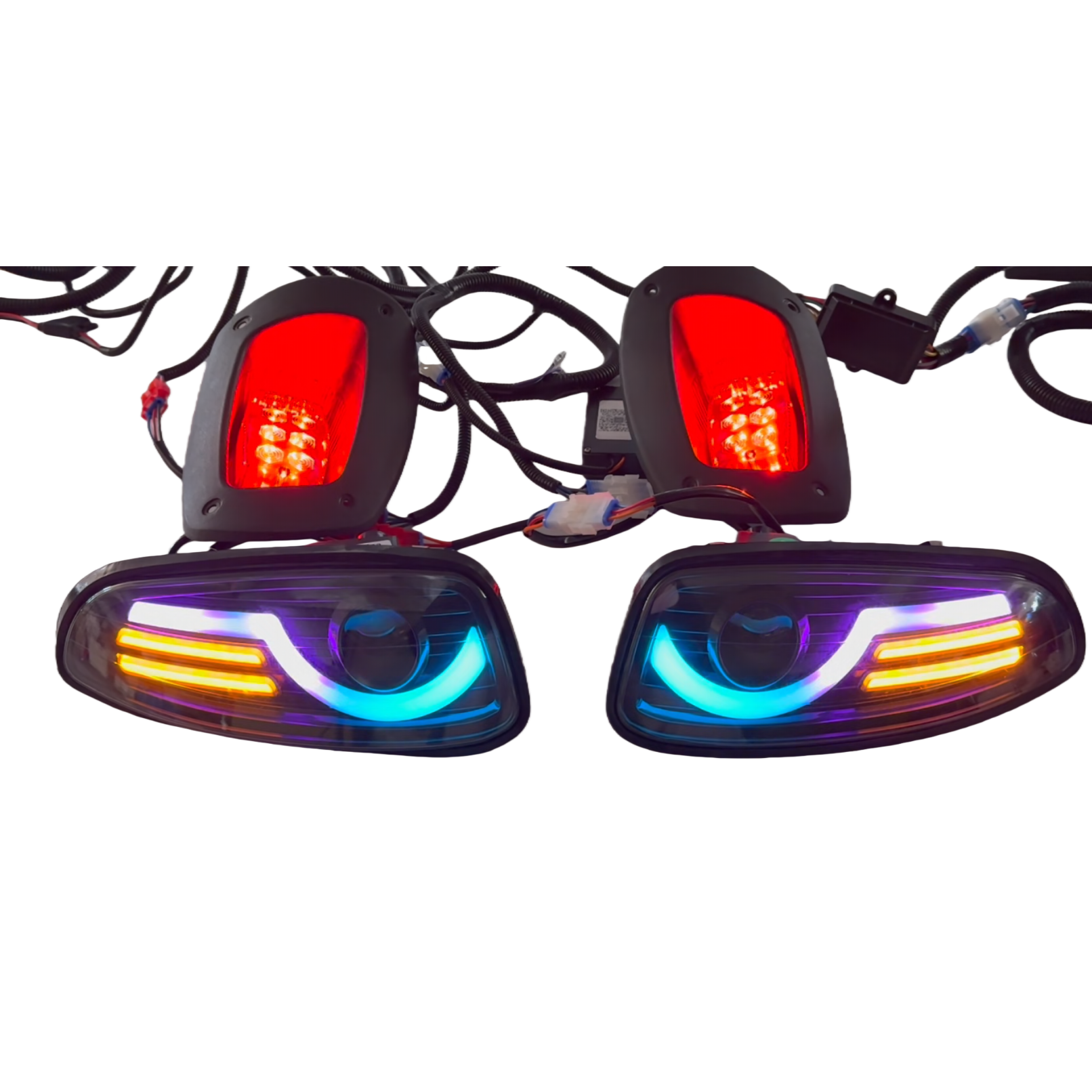
Understanding how different headlight materials perform over extended periods of vehicle operation is crucial for fleet managers, automotive professionals, and vehicle owners seeking optimal long-term value. The choice of headlight materials directly impacts replacement frequency, maintenance costs, and overall lighting performance throughout a vehicle's operational lifetime. Modern vehicles rely heavily on consistent, reliable lighting systems, making material selection a critical factor in vehicle design and maintenance planning.
Different headlight materials exhibit varying resistance to environmental stresses, thermal cycling, UV degradation, and mechanical impact. These factors combine to determine how well headlight assemblies maintain their structural integrity and optical clarity throughout years of continuous use. Professional evaluation of headlight materials requires understanding their molecular composition, manufacturing processes, and real-world performance characteristics under diverse operating conditions.
Material Composition and Structural Properties
Polycarbonate Plastic Construction
Polycarbonate represents the most common material choice for modern automotive headlight lenses due to its exceptional impact resistance and optical clarity. This thermoplastic polymer demonstrates superior shatter resistance compared to traditional glass, making it safer for vehicle occupants and pedestrians during collision scenarios. The molecular structure of polycarbonate provides inherent flexibility while maintaining dimensional stability across temperature ranges typically encountered in automotive applications.
Manufacturing processes for polycarbonate headlight materials involve injection molding techniques that allow precise optical surface formation and consistent wall thickness distribution. These production methods enable complex lens geometries that optimize light distribution patterns while maintaining structural integrity. Quality polycarbonate formulations include UV stabilizers and impact modifiers that enhance long-term durability characteristics essential for sustained vehicle operation.
The chemical composition of polycarbonate headlight materials includes bisphenol A and phosgene derivatives that create strong intermolecular bonds resistant to mechanical stress. This molecular architecture provides excellent clarity transmission rates exceeding 90% while maintaining color neutrality throughout extended service periods. Professional-grade polycarbonate formulations incorporate additives that prevent yellowing and hazing commonly associated with prolonged UV exposure.
Glass Headlight Systems
Traditional glass headlight materials offer superior scratch resistance and optical stability compared to plastic alternatives, making them preferred choices for premium vehicle applications requiring maximum longevity. Tempered glass construction provides enhanced thermal shock resistance, allowing headlight assemblies to withstand rapid temperature changes without cracking or optical distortion. The crystalline structure of glass materials maintains consistent refractive properties throughout decades of service life.
Manufacturing processes for glass headlight materials involve controlled annealing procedures that eliminate internal stress concentrations and optimize optical properties. These thermal treatment processes create uniform density distribution and eliminate manufacturing defects that could compromise long-term durability. Professional-grade glass formulations include specialized additives that enhance impact resistance while preserving superior optical characteristics.
Chemical inertness of glass headlight materials provides exceptional resistance to environmental contamination, chemical exposure, and UV degradation that commonly affects plastic alternatives. This chemical stability ensures consistent light transmission characteristics and prevents the yellowing or clouding issues frequently encountered with polymer-based systems. Glass materials maintain their original optical properties indefinitely when properly maintained and protected from impact damage.
Environmental Degradation Mechanisms
UV Radiation Effects on Material Structure
Ultraviolet radiation exposure represents one of the primary degradation mechanisms affecting headlight materials during long-term vehicle operation. Continuous UV bombardment breaks down polymer chains in plastic materials, causing molecular cross-linking that reduces optical clarity and creates the characteristic yellowing effect observed in aged headlights. Understanding UV degradation patterns helps predict service life and maintenance requirements for different headlight materials under various environmental conditions.
Photochemical reactions initiated by UV exposure create free radical species that attack polymer backbone structures, leading to chain scission and molecular weight reduction. These chemical changes manifest as surface brittleness, increased opacity, and reduced impact resistance over time. Professional assessment of UV degradation requires understanding absorption spectra and photochemical stability characteristics specific to each material formulation.
Protective coatings and UV stabilizer additives significantly influence degradation rates and extend service life for plastic headlight materials. Advanced stabilizer systems incorporate hindered amine light stabilizers and UV absorbers that prevent photochemical chain reactions while maintaining optical properties. These protective systems require careful selection and application to ensure compatibility with base material properties and manufacturing processes.
Thermal Cycling and Temperature Stress
Repeated thermal cycling between ambient and operating temperatures creates expansion and contraction stresses that gradually weaken headlight materials through fatigue mechanisms. Different materials exhibit varying coefficients of thermal expansion, leading to differential stress patterns that affect joint integrity and optical alignment over extended service periods. Professional evaluation of thermal stress effects requires understanding material properties across operational temperature ranges.
Heat buildup from high-intensity discharge lamps and LED arrays creates localized temperature gradients that stress headlight materials beyond normal ambient conditions. These elevated temperatures accelerate chemical degradation processes and increase molecular mobility, leading to stress relaxation and dimensional changes. Understanding thermal management principles helps optimize material selection for specific lighting technologies and operating conditions.
Thermal shock resistance varies significantly between different headlight materials, with glass demonstrating superior performance compared to plastic alternatives under rapid temperature change conditions. Manufacturing stress relief processes and annealing treatments improve thermal shock resistance by eliminating residual stress concentrations that could propagate into crack formation. Professional thermal analysis considers both steady-state and transient temperature effects on material integrity.
Mechanical Durability and Impact Resistance
Impact Energy Absorption Characteristics
Mechanical impact resistance determines how well headlight materials withstand road debris, hail damage, and accidental contact during vehicle operation and maintenance procedures. Different materials exhibit distinct energy absorption mechanisms, with polycarbonate demonstrating superior impact tolerance through plastic deformation while glass materials rely on controlled fracture patterns to manage impact energy. Understanding these mechanisms helps predict failure modes and maintenance requirements.
Testing protocols for impact resistance evaluation include pendulum impact tests, falling weight tests, and high-velocity projectile simulations that replicate real-world damage scenarios. These standardized procedures provide quantitative data for comparing material performance and establishing safety margins for specific applications. Professional impact assessment considers both threshold energy levels and post-impact structural integrity characteristics.
Fatigue resistance under repeated low-level impacts affects long-term durability as headlight materials accumulate microscopic damage from vibration, road shock, and thermal stress cycles. Advanced material formulations incorporate impact modifiers and reinforcing fibers that improve fatigue life while maintaining optical properties. Understanding fatigue mechanisms helps optimize maintenance schedules and replacement intervals for different operating conditions.
Abrasion and Wear Resistance
Surface abrasion from dust, sand, and cleaning procedures gradually reduces optical clarity and affects light distribution patterns in headlight assemblies. Different headlight materials exhibit varying resistance to abrasive wear, with hardness characteristics and surface energy properties determining scratch susceptibility. Professional abrasion testing evaluates material performance under controlled conditions that simulate real-world exposure scenarios.
Protective surface treatments and hard coatings significantly improve abrasion resistance for plastic headlight materials while maintaining optical clarity and impact tolerance. These coating systems require careful selection to ensure adhesion compatibility and thermal expansion matching with substrate materials. Advanced coating technologies incorporate self-healing properties and hydrophobic characteristics that enhance long-term performance.
Maintenance procedures and cleaning protocols directly affect abrasion damage accumulation rates throughout vehicle service life. Proper cleaning techniques using appropriate solvents and non-abrasive materials help preserve surface integrity and extend optical performance. Understanding material-specific maintenance requirements helps optimize cleaning procedures and prevent premature degradation from improper care practices.
Performance Optimization and Material Selection
Optical Clarity and Light Transmission
Maintaining consistent light transmission characteristics throughout service life requires careful consideration of material optical properties and degradation mechanisms. Different headlight materials exhibit varying refractive indices, dispersion characteristics, and absorption spectra that affect lighting performance and color rendering. Professional optical evaluation considers both initial performance and long-term stability under operational stress conditions.
Surface quality and manufacturing precision directly influence optical performance and determine how well headlight materials maintain their designed light distribution patterns. Advanced molding and finishing techniques minimize surface irregularities that could scatter light or create optical distortions. Quality control procedures ensure consistent optical properties across production batches and material lots.
Antireflective coatings and surface treatments enhance light transmission efficiency while providing additional protection against environmental degradation. These optical coatings require specialized application processes and quality control procedures to ensure proper adhesion and durability. Understanding coating compatibility with different headlight materials helps optimize optical performance throughout service life.
Cost-Benefit Analysis for Long-Term Use
Economic evaluation of headlight materials requires considering initial costs, maintenance requirements, replacement intervals, and performance degradation rates throughout vehicle service life. Different materials present varying cost profiles with trade-offs between upfront investment and long-term operating expenses. Professional cost analysis incorporates lifecycle assessment principles and total ownership costs for accurate comparison.
Fleet applications require particular attention to material durability characteristics and maintenance scheduling optimization to minimize vehicle downtime and service costs. Standardization on specific headlight materials simplifies inventory management and technician training while ensuring consistent performance across vehicle fleets. Understanding operational requirements helps balance performance specifications with cost constraints.
Warranty considerations and manufacturer support affect the total cost equation for different headlight materials and assemblies. Extended warranty coverage and technical support programs provide additional value that should be included in economic evaluations. Professional procurement processes consider both immediate costs and long-term support availability when selecting headlight materials for critical applications.
FAQ
Which headlight material offers the best durability for high-mileage vehicles?
Polycarbonate with UV stabilizers generally provides the best balance of impact resistance, weight, and durability for high-mileage applications. While glass offers superior scratch resistance, its weight and impact vulnerability make polycarbonate the preferred choice for most long-term vehicle use scenarios, especially when properly maintained and protected from abrasive cleaning methods.
How often should headlight materials be inspected for degradation signs?
Professional inspection of headlight materials should occur every 12-18 months for vehicles in normal service, with more frequent evaluation recommended for harsh environmental conditions or high-intensity lighting systems. Key indicators include surface yellowing, reduced clarity, micro-cracking, or diminished light output that suggests material degradation requiring attention.
Can protective coatings extend the service life of headlight materials?
Yes, properly applied protective coatings can significantly extend service life by providing UV protection, abrasion resistance, and chemical barrier properties. Quality coating systems can double or triple the effective service life of plastic headlight materials when applied correctly and maintained according to manufacturer specifications.
What environmental factors most significantly affect headlight material longevity?
UV radiation exposure, thermal cycling, and airborne abrasives represent the most significant environmental threats to headlight material longevity. Vehicles operating in high-altitude, desert, or coastal environments face accelerated degradation due to intense UV exposure, temperature extremes, and salt or sand contamination that requires more frequent inspection and maintenance attention.
Table of Contents
- Material Composition and Structural Properties
- Environmental Degradation Mechanisms
- Mechanical Durability and Impact Resistance
- Performance Optimization and Material Selection
-
FAQ
- Which headlight material offers the best durability for high-mileage vehicles?
- How often should headlight materials be inspected for degradation signs?
- Can protective coatings extend the service life of headlight materials?
- What environmental factors most significantly affect headlight material longevity?