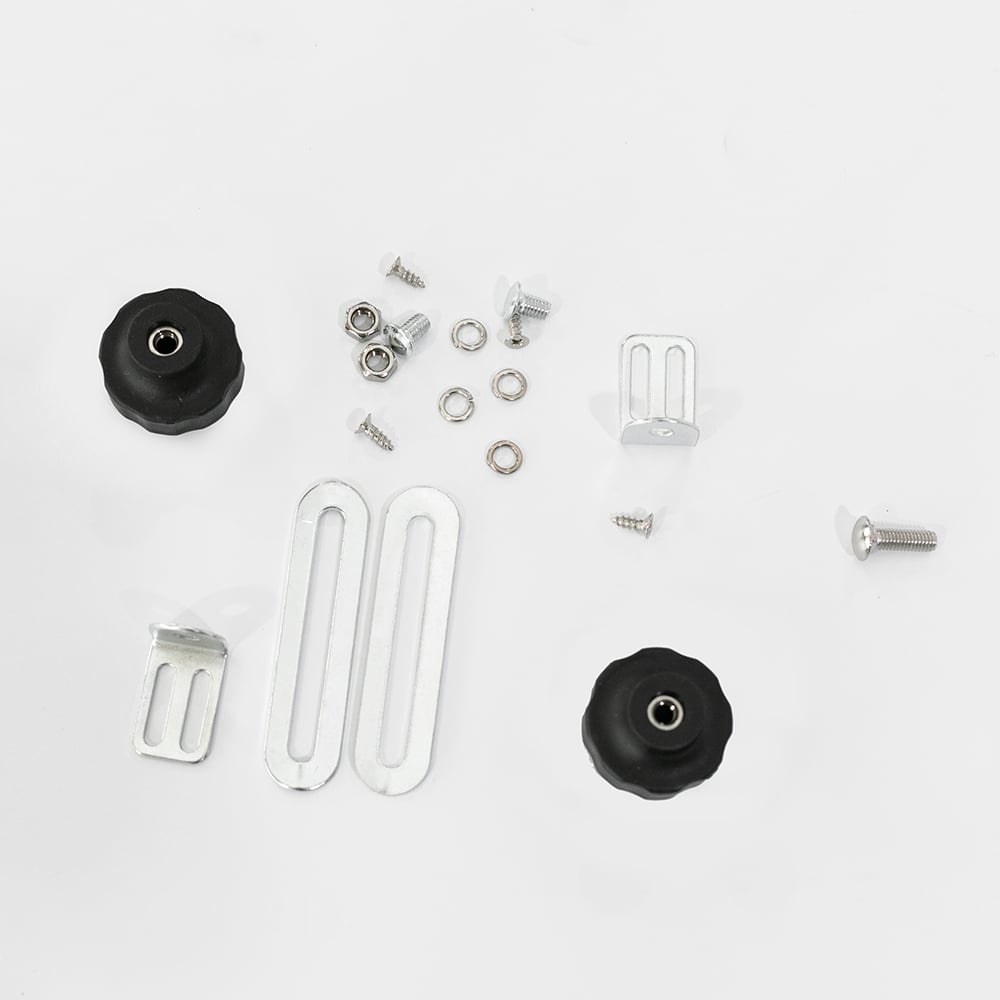
Selecting the right golf cart mirror is not as simple as picking any reflective accessory off a shelf. A golf cart mirror directly affects how safely and confidently you can operate your cart across different terrain types, from resort pathways to co...
VIEW MORE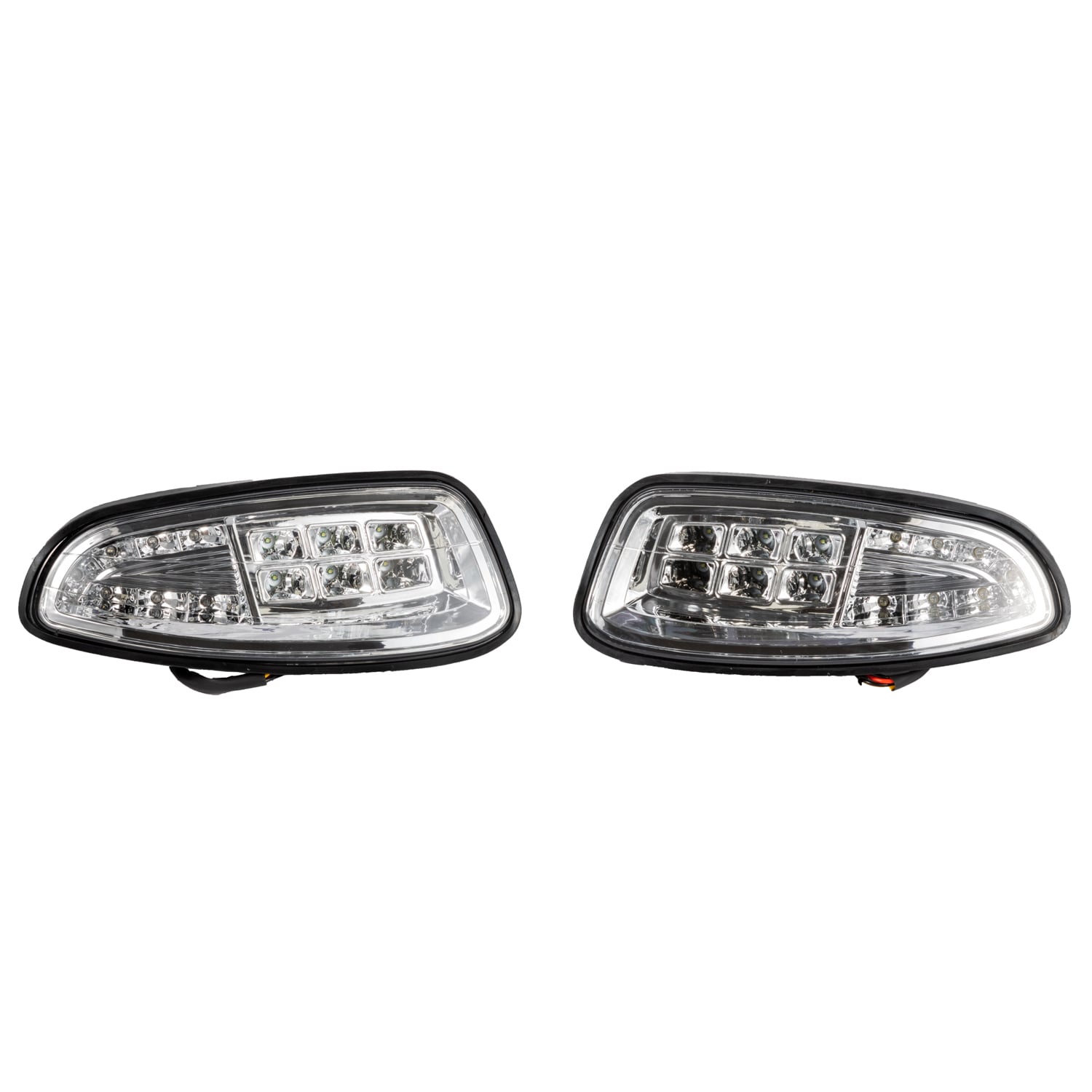
When it comes to maintaining a golf cart over the long term, the quality of golf cart parts you choose makes an enormous difference. Low-grade golf cart parts may appear cost-effective at first glance, but they typically degrade faster, cause more fr...
VIEW MORE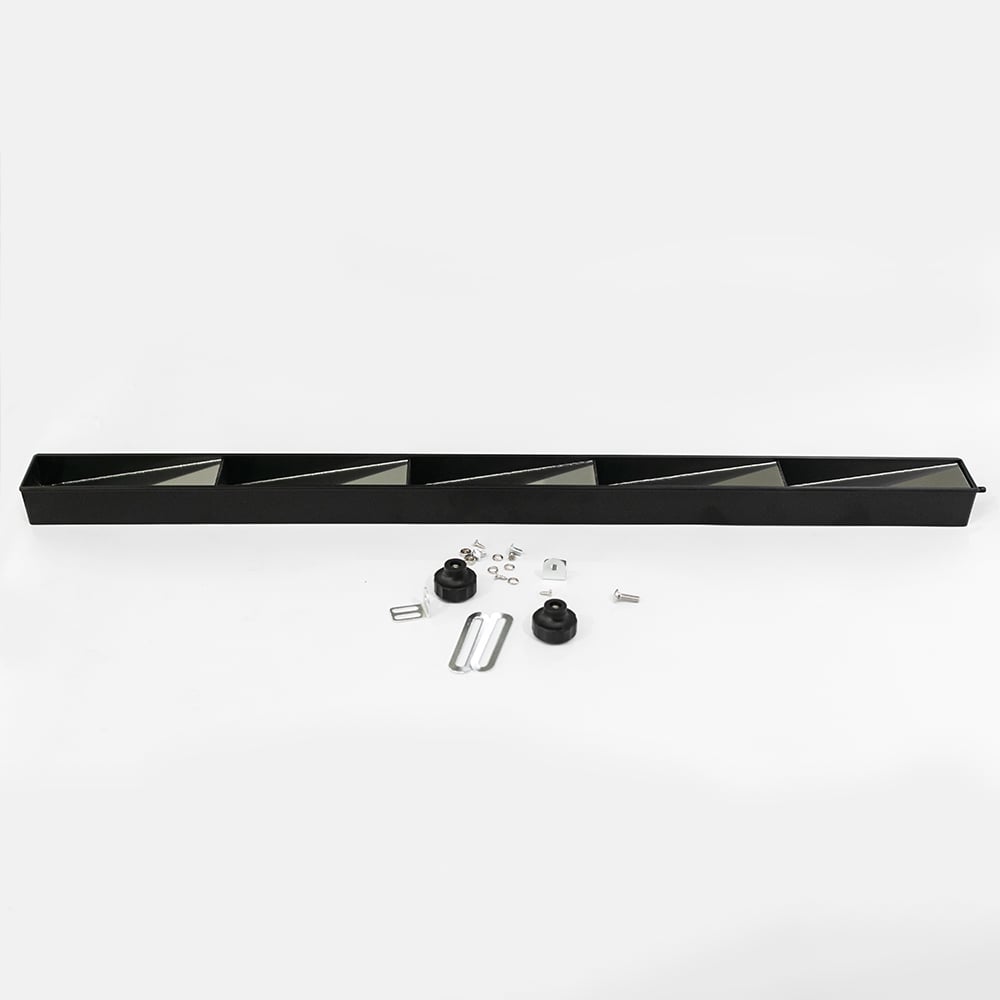
A golf cart mirror is one of the simplest yet most impactful safety accessories a course operator or private owner can install. Whether you are navigating narrow cart paths, approaching blind corners, or sharing space with pedestrians, having a relia...
VIEW MORE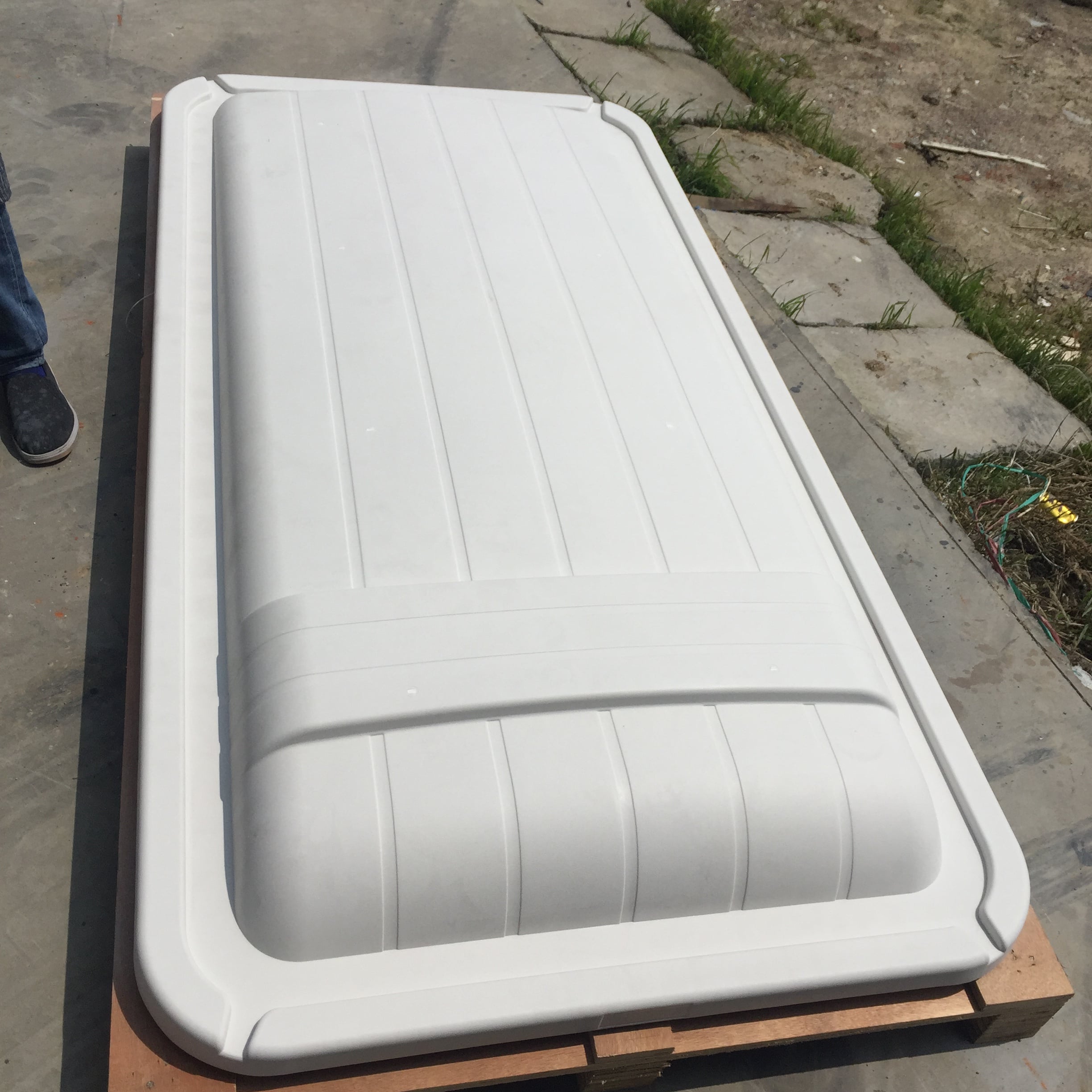
A wheel cover may appear to be a simple cosmetic accessory, but its correct installation plays a far more significant role in the safe and efficient operation of any vehicle, including golf carts and light utility vehicles. When a wheel cover is impr...
VIEW MORE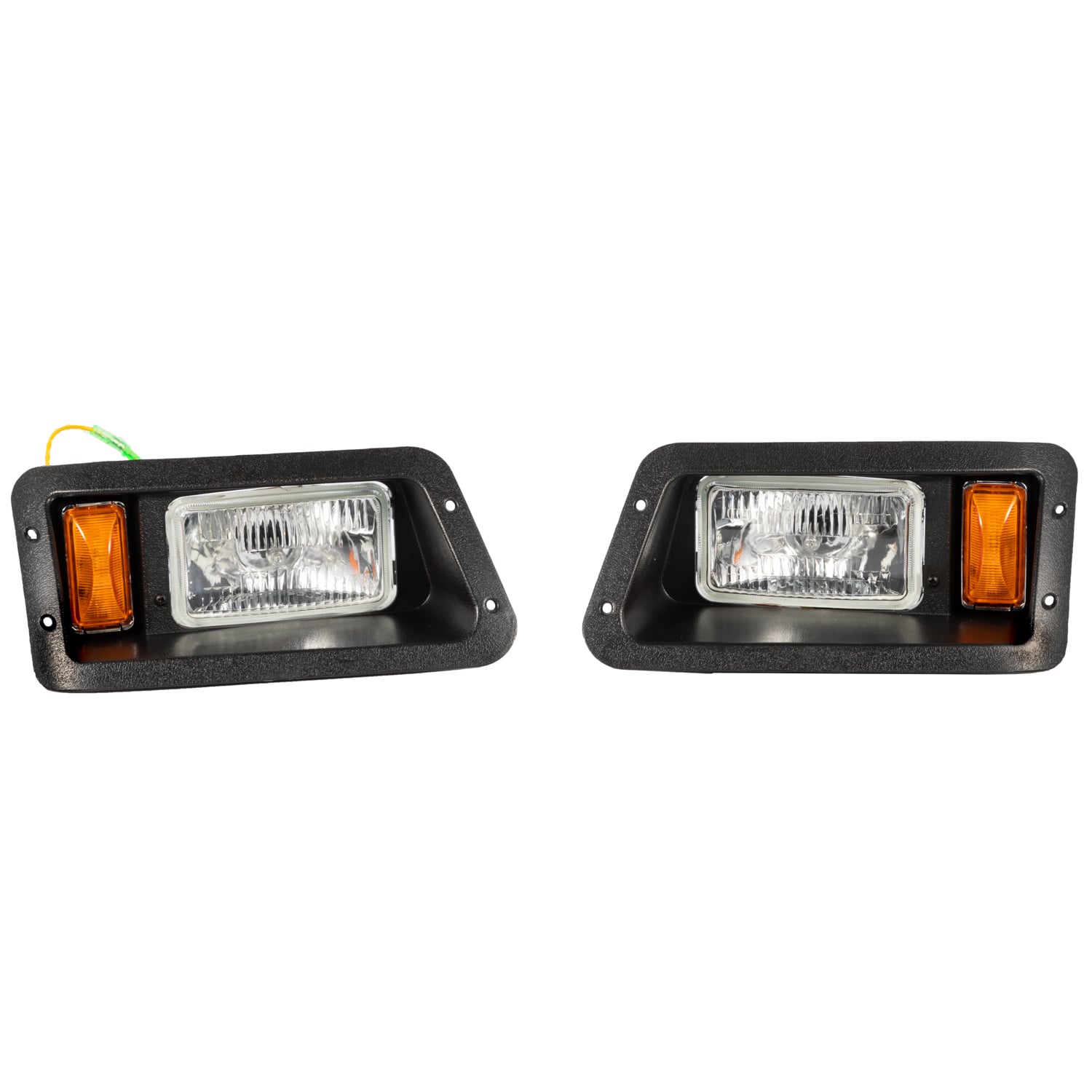
A golf cart roof is one of the most practical accessories you can add to any cart, offering shade, weather protection, and a more finished appearance on the course or in commercial settings. However, like any structural addition to a vehicle, a golf ...
VIEW MORE
Across the automotive and specialty vehicle industries, the humble wheel cover has quietly moved from a purely cosmetic accessory to a component held to increasingly rigorous standards. Fleet operators, vehicle manufacturers, and procurement teams ar...
VIEW MORE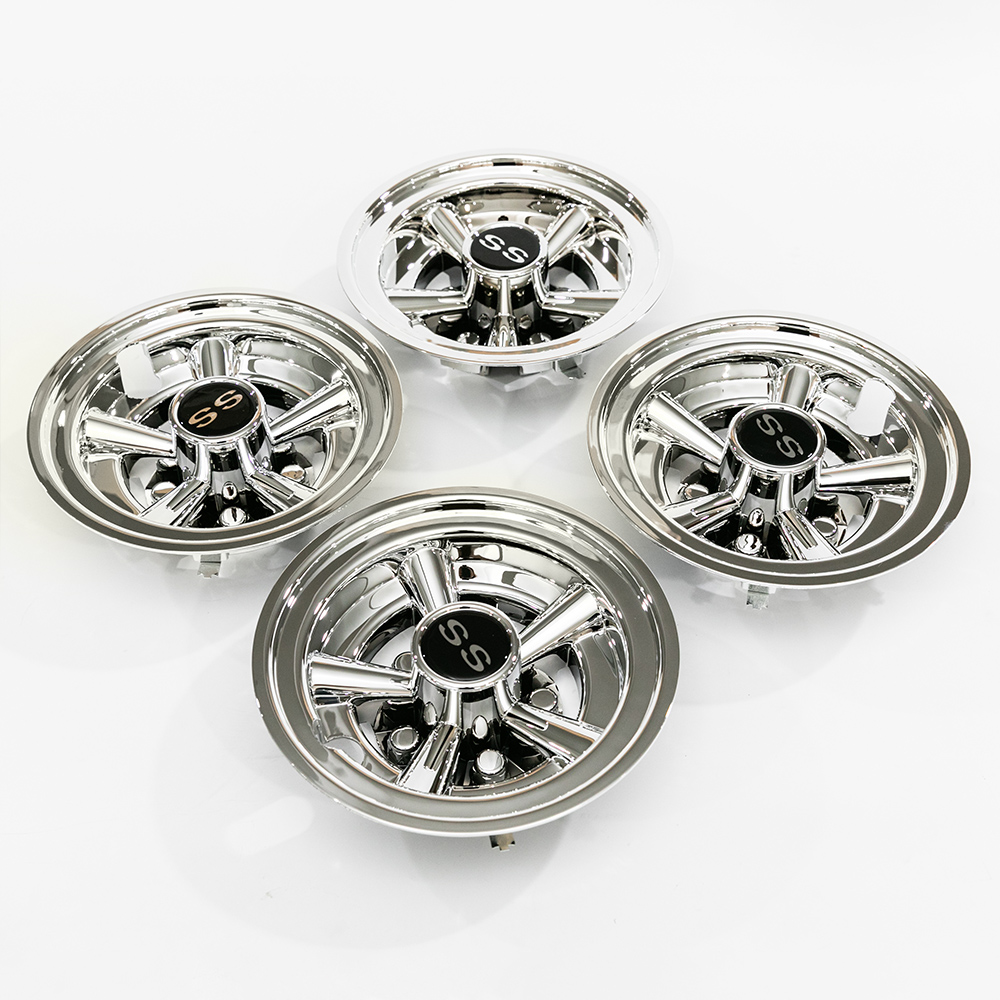
The design of a LED light is far more than an aesthetic consideration — it is a precise engineering discipline that directly determines how well a fixture performs in real-world conditions. From the angle of the beam to the thermal management system ...
VIEW MORE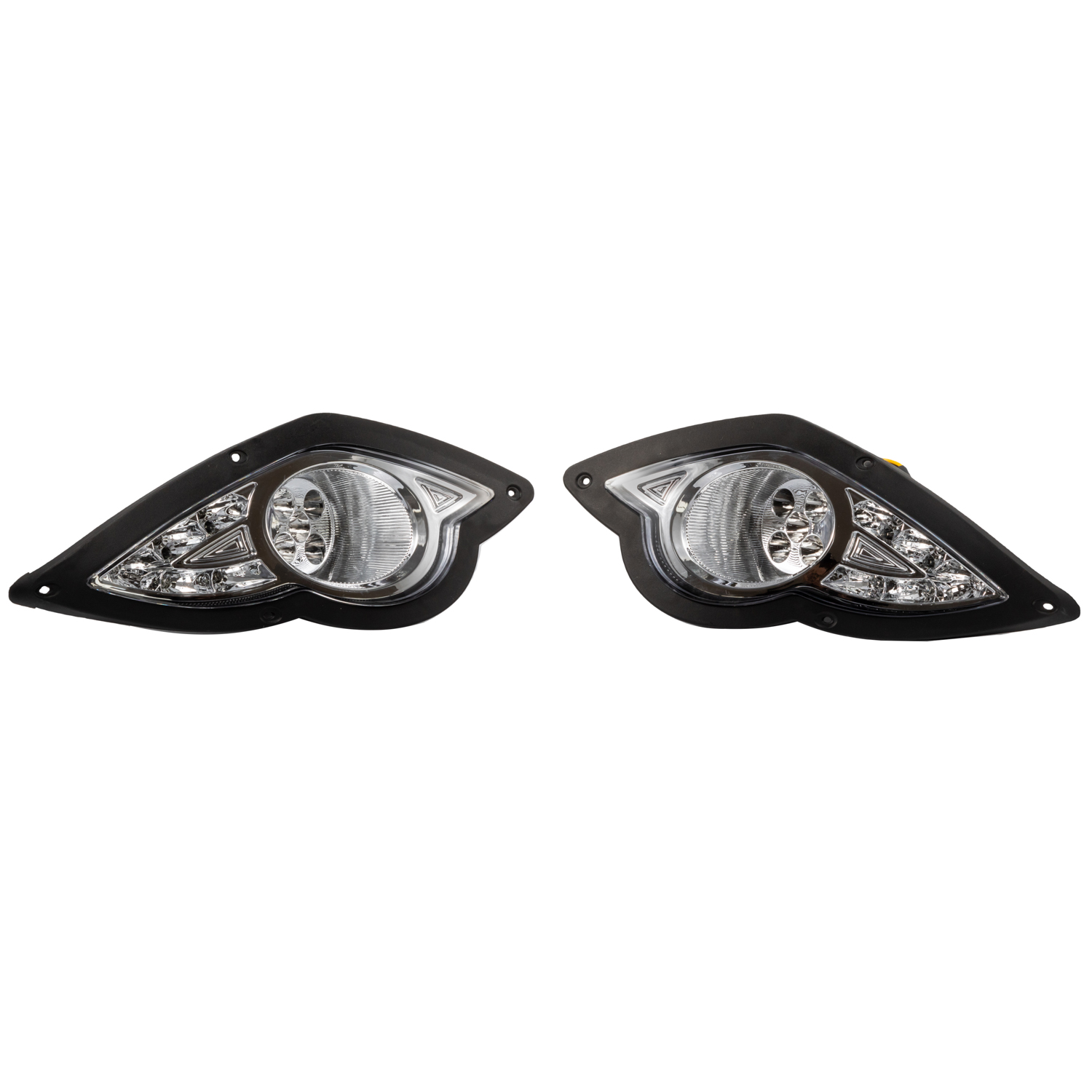
Fleet managers who oversee large numbers of golf carts, utility vehicles, or light commercial carts often discover that a seemingly minor component — the wheel cover — generates a surprisingly high volume of maintenance calls, replacement orders, and...
VIEW MORE
Selecting the right golf cart roof is not simply a matter of aesthetics or price. The environment in which a golf cart operates plays a decisive role in determining which roof material, design, and construction will perform reliably over time. From i...
VIEW MORE
The standards governing LED light performance in vehicle applications are shifting faster than many procurement teams and fleet operators realize. What was considered adequate output, thermal tolerance, or beam precision just a few years ago is incre...
VIEW MORE
The design and construction of a golf cart roof play a far greater role in the overall riding experience than most buyers initially consider. Whether you are managing a resort fleet, running a gated community transport service, or simply enjoying a p...
VIEW MORE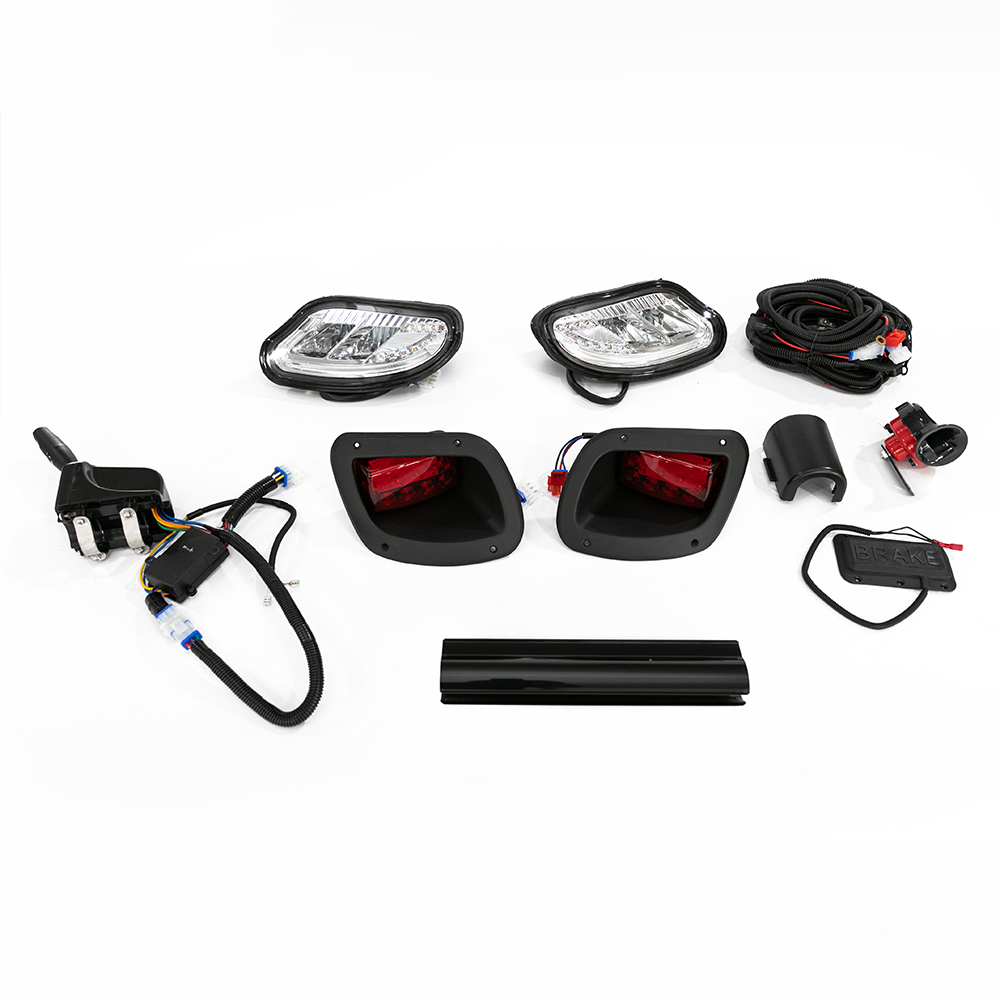
When engineers and designers begin integrating lighting components into automotive and utility vehicle platforms, one of the most frequently underestimated challenges involves correctly interpreting and applying LED light specifications. From voltage...
VIEW MORE
Lanqi is a professional golf cart parts manufacturer with more than 18 years of experience, providing high-quality headlight kits, wiring harnesses, instrument panels, etc., for EZ-GO, CLUB CAR, and YAMAHA.
No.26 Youyi Road, Danbei Town, Danyang City, Jiangsu, China
Copyright © 2026 Danyang Lanqi Auto Electrics Co., Ltd. All rights reserved. Privacy Policy
 EN
EN